


You can download a PDF version of the Arts in Health report by clicking on the banner above
The Role of the Arts
in Healthcare
Progress Report
2018 – 2024
Table of Contents
Why Arts in Health?
by Laurie M. Tisch
Developing the Arts in Health initiative
by Rick Luftglass
The Power of the Arts to Build Strong Communities, Improve Health and Healing and Foster Flourishing
by Susan Magsamen
Rockefeller Philanthropy Advisors Insights: Trust, Innovation, and Impact
by Latanya Mapp
What Does Impact Look Like?
by Rick Luftglass
Chapter 2: Mental Health (cont.)
NYC Department of Health and Mental Hygiene
Pregones / Puerto Rican Traveling Theater
Dive deeper into the Arts in Health report by exploring the case study pages:
NYC H+H Partnerships [ ↗︎ ], Mental Health [ ↗︎ ], and Aging-Related Diseases [ ↗︎ ].
Why Arts in Health?
Laurie M. Tisch
President
Laurie M. Tisch Illumination Fund
The mission of my foundation is straightforward. We aim to improve access and opportunity for all New Yorkers and foster healthy, vibrant communities. When I established my foundation in 2007 and was shaping our giving strategy, I knew that my efforts would be centered in New York given my family’s deep roots and philanthropic engagement with the City.
My family believes in doing what we can to help other people. My parents set a great example for me — from my mother’s leadership in the Gay Men’s Health Crisis to my father’s role in creating a public/private partnership to rebuild athletic fields at all of New York City’s public high schools.
In New York City, as in so many other places, zip codes and circumstances of birth can determine someone’s likelihood of a healthy life, good education, access to the arts, quality health care, good jobs, parks, and safe, clean, affordable housing. We look at philanthropy through an equity lens. I started the Illumination Fund because every New Yorker deserves access to what they need for a better life.
Decades of research have shown that the arts are a powerful tool to improve people’s lives and can play an important role in healthcare. We’re not an arts foundation, but the arts are an important part of my life. Rick Luftglass, Illumination Fund executive director, also has a deep engagement with the arts and came to the Illumination Fund from Pfizer, where he led important health philanthropy. With that experience, both of us saw firsthand how the arts can help people and improve their health and their lives overall. So, it felt natural to expand our arts funding and expand our health funding by connecting the arts and health.
We brought important lessons from our ten years of food insecurity work to bear as we planned our new initiative, especially the concept of creating a cohort of grantees, convening them, and fostering partnerships and collaborations amongst them, as well as engaging in public/private partnerships to magnify and multiply the effects of our giving.
Since 2018, with an initial $10 million commitment, the programs we support are flourishing, expanding, and seeing real results in the communities they serve. The research base is growing, exciting new organizations are mobilizing the field, new programs are being developed, and there are more and more opportunities to make a difference in people’s lives and health through the arts. We decided to create this report now to provide a snapshot of the first six years of that work and its impact so far, and to inspire health organizations, arts organizations, foundations, public agencies, and philanthropists to expand the field by exploring opportunities at the intersection of the arts and health.
What role can the arts play in healthcare?
Developing
the Arts in Health
initiative

Rick Luftglass
Executive Director
Laurie M. Tisch Illumination Fund
When the Illumination Fund began to plan for its Arts in Health initiative in 2017, we immersed ourselves in the issues, researched the landscape, spoke with experts, identified trends, and assessed needs, gaps, and opportunities where we could have a significant impact. And we put our findings through our lens — alignment with our mission of “increasing access and opportunity for all New Yorkers and fostering healthy and vibrant communities” — which is fundamentally about identifying disparities and promoting equity.
One of the challenges is that “Arts in Health” can mean many things. The power of the arts extends to a wide range of health and societal issues. We needed to determine our focus.
Based on our research and mission, we decided to focus on three issues where the arts could have a great impact:
- As a vehicle to combat mental health stigma
- As a resource in recovering from trauma and building resilience, and
- As a means to help improve quality of life for people with aging-related diseases, such as Alzheimer’s, other forms of dementia, and Parkinson’s disease.
We were inspired by new research and reports that identified the potential of the arts to address mental health stigma and trauma, and moved by personal experiences. Scrape the surface, and everyone has a story — whether it’s about experiencing mental health challenges and being reluctant to seek help, or having friends and family suffering from mental illness, or seeing our parents age and experience memory loss.
And yet many of us have stories of hope, and some illustrate a role for the arts — when a parent remembered the lyrics of songs from their youth or when a friend struggling with depression found inspiration through art-making.
Prior to launching the Arts in Health initiative, we commissioned a nationally representative Harris Poll on public perceptions of the role of the arts as it relates to mental health and aging-related diseases. The poll found that more than 8 in 10 Americans believe the arts can help address key health challenges in their lives and in the lives of their loved ones.

“Grantmakers in the Arts believes that arts and culture deserve public and philanthropic support because they have both intrinsic value and social value. […] The social value of the arts includes the benefits of arts participation for our health, which are well-documented.” [LINK]
Eddie Torres,
President and CEO
Grantmakers in the Arts
- 81% believe the arts are helpful in overcoming the stigma or shame associated with mental illness.
- 87% believe the arts are helpful in recovering from a traumatic event, such as abuse, a serious accident or injury, or violence.
- 82% believe the arts are helpful in coping with aging-related diseases such as Alzheimer’s and dementia.
We were also struck — but perhaps not surprised—that Americans who are closer to the issue of mental illness feel even more strongly about those benefits. For example, of the respondents who have an immediate family member who has been diagnosed with a mental illness, 97% believe that the arts can make people feel better emotionally, when compared with those Americans who have no close experience with mental illness (89%).
Launching Arts in Health
The Arts in Health initiative was designed to catalyze the use of the arts to address these and other health issues. Our goal is to help organizations that are doing important work to increase their ability to reach more people, advance their strategies, and build awareness of the role the arts can play in healing.
In 2018-2019, we supported about 15 organizations spanning the areas of mental health stigma, trauma, and aging-related diseases. We did not limit ourselves to particular artistic disciplines; we saw that visual art, theater, dance, filmmaking, music, and other disciplines have distinct benefits.
The types of grantees also varied widely. Some were arts organizations while others were social service, advocacy, and mental health service providers. Most were community-based nonprofits, and two were public agencies, including NYC Health + Hospitals, the largest municipal health system in the country. We prioritized communities and populations with health disparities and those disproportionately affected by issues of mental health stigma, trauma, and aging-related diseases.
During those first two years, we saw our grantees flourish. Our up-front plan was paying off.
But of course, when COVID hit in 2020, we learned that even the best-laid plans can’t anticipate some scenarios. There’s a Yiddish saying — “Man plans, God laughs.”
“We see evidence that communities that engage residents and have a high degree of social cohesion tend to be healthier than those who do not. Arts are part of the narrative of what makes a strong and healthy community.” [LINK]
Cara James, Ph.D.,
President and CEO
Grantmakers in Health
The Pandemic
Impact of the
COVID-19 Pandemic
The pandemic brought unimaginable levels of hospitalizations and deaths and ravaged families and communities, and it significantly intensified the issues that the Arts in Health initiative focuses on, particularly mental health and aging-related diseases. Depression, anxiety, and trauma levels surged, especially among vulnerable populations. New York was the epicenter, and caregivers and healthcare workers faced severe stress and burnout.
By November 2020, more than 42% of adults in the US reported experiencing anxiety or depression — three to four times higher than pre-pandemic levels, with women and young adults particularly affected. The pandemic also exposed and worsened existing health disparities, disproportionately impacting Black, Latinx, and low-income populations. [LINK]
As Laurie Tisch notes in her foreword, zip codes reflect profound disparities in health, education, and income. In the pandemic’s first wave, people living in the poorest neighborhoods had hospitalization and death rates that were twice as high as those in more affluent neighborhoods. These differences were driven by income, race, ethnicity, unemployment, population of essential workers, food insecurity, and pre-existing health conditions, among other factors.
Disproportionate Impact
of Mental Health Issues
In a press conference at the White House, Dr. Anthony Fauci, the director of the National Institute of Allergy and Infectious Diseases, explained that disparities in communities of color were “laid bare” by the pandemic. But the unequal mental health burden, especially among marginalized communities, received less attention.
Data demonstrated that mental health issues were surging among racial and ethnic minorities, as well as mothers stuck at home, people with financial or housing insecurity, people with disabilities, and young adults. Native American communities and LGBTQ+ youth also faced heightened mental health challenges, with barriers to accessing care worsening the situation. Women and girls reported higher rates of anxiety and depression, and healthcare workers experienced burnout and compassion fatigue at unprecedented levels, with many hesitant to seek help due to stigma. Survivors of domestic violence, people with substance use disorders, those exposed to the carceral system, and individuals with aging-related diseases were also at increased risk. [LINK]
The Illumination Fund’s
Response to the Pandemic
The Illumination Fund responded with multiple strategies to provide assistance during the peak of the pandemic. We were among the founding partners in the NYC COVID Response and Impact Fund, which distributed more than $100 million in grants and loans to nearly 800 nonprofits, and we supported other multi-funder collaboratives. We also provided emergency grants to longstanding partners, and as our Arts in Health grantees struggled to pivot to this new reality, we provided additional support to help them adapt, including funds for technology to help them move programs online.
And we increased our support for mental health to address the disproportionate impact on marginalized communities, launching a new Arts & Mental Health initiative that our former program officer Michelle Bae describes here in a separate essay.

Michelle Bae,
former Program Officer
Laurie M. Tisch
Illumination Fund
In response to the profound effects of the pandemic on marginalized communities, in June 2021 the Illumination Fund issued its first-ever Open Call Request for Proposals (RFP) to expand the Arts in Health initiative with a dedicated focus on mental health. The RFP aimed to support NYC-based arts organizations working with marginalized communities, raise awareness of mental health through the arts, and assist small to mid-sized organizations with budgets between $50,000 and $5 million.
Understanding the time and financial constraints of small organizations, we streamlined the RFP process, starting with a simple Letter of Inquiry (LOI). We received 120 submissions and chose 14 organizations with strong track records serving specific populations in strategic, structured and realistic ways. The organizations deploy diverse strategies to address mental health including: developing music, dance, and theater-based programs with targeted mental health facets; embedding mental health
professionals in organizations for staff and clients; developing performances to destigmatize mental health; and providing staff training in trauma-informed practices.
All grantees selected were deeply rooted in communities disproportionately affected by the pandemic and had strong partnerships with mental health professionals, including therapists, psychiatrists, social workers, and others with expertise in the communities being served.
We saw immediate and lasting impact from these grants. Although the organizations were new to our grantee cohort, they quickly became part of the group and brought additional insight and expertise to the table. Their work not only validated the power of targeted support but also strengthened the fabric of our Arts in Health community. These 14 organizations significantly expanded the network of collaboration and innovation, ensuring that the impact of this work will continue to resonate across the city for years to come.
COVID-19 Disparities
The pandemic disproportionately impacted communities of color and neighborhoods with higher rates of lower-income people7
Hover or click to learn how the pandemic affected specific populations
Post-Pandemic
On May 11, 2023, the White House declared the public health emergency over, but despite the official end to the pandemic, COVID remains a significant health risk, with 26,000 US deaths in the first half of 2024. [LINK] Dr. Fauci wrote that “it ain’t over ‘til it’s over,” [LINK] and though many have shown resilience, the effects persist. Depression and anxiety rates in 2024 are still double pre-pandemic levels.
It’s worth recognizing some positive changes:
- During COVID, the number of Americans receiving mental health care increased significantly.
- The rapid growth of telehealth contributed toward an increase in use of mental health services and treatment.
- There is some indication that mental health stigma may have been reduced because so many people had personal experiences of mental distress, and it became easier to talk about.
We also saw more funders recognize the imperative to embed mental health strategies into their programs. For example, more arts funders recognized the need to address mental health, and more health funders saw that the arts can play a role in their work.
The Illumination Fund’s grantees that have been focusing on mental health are not seeing demand let up, but the programs that we supported during the crisis have stabilized and evolved.
Importantly, as in-person programs resumed, our grantees have continued to offer virtual options, reflecting a commitment to accessibility. Few would have used the word “hybrid” before the pandemic, but now it is part of everyone’s vocabulary.
Today, our Arts in Health cohort includes around 30 grantees. Their work is more important than ever. They are serving those most affected by the pandemic and reaching more people. [LINK]
Map of Grantee Locations by Borough
Our 25+ grantees have a wide geographical distribution across the five boroughs of NYC. Hover over the map for more information.
A Global Reach
Submissions to the Community Access’ Changing Minds Young Filmmaker Competition, and participants to Theater of War’s Nurse Antigone.

Looking Ahead +
Looking Ahead
As we move forward, it’s crucial to recognize both progress and ongoing challenges. While some issues exceed the scope of philanthropy, we remain part of the broader solution.
A 2022 CNN/Kaiser Family Foundation (KFF) poll revealed that 90% of Americans believe there is a mental health crisis, with concerns over the opioid epidemic, youth mental health, and severe mental illness. Issues like drug overdoses, suicides, and gun violence have worsened. [LINK]
US Surgeon General Vivek Murthy, MD has said that “mental health is the defining public health crisis of our time.” [LINK] Despite increased mental health services, unmet needs remain, especially among marginalized groups. A 2022 Pew survey found that 56% of whites who needed mental health treatment received it, compared to only 40% of Latinx people, 38% of Blacks, and 36% of Asian Americans. [LINK]
In New York City, while mental health resources are more available than in many areas, unmet needs persist. According to the NYC Department of Health, 34% of adults with a diagnosis report not receiving adequate or timely care, often due to cost or stigma. [LINK]
It’s easy to distance ourselves from statistics, but for many, these crises are deeply personal — about half of respondents in the CNN/KFF survey reported a serious mental health crisis within their family. Mental illness affects us all. It’s not just someone else’s problem. [LINK]
As we continue our work, we remain committed to supporting the populations most affected and ensuring that the arts play a role in healing and resilience.
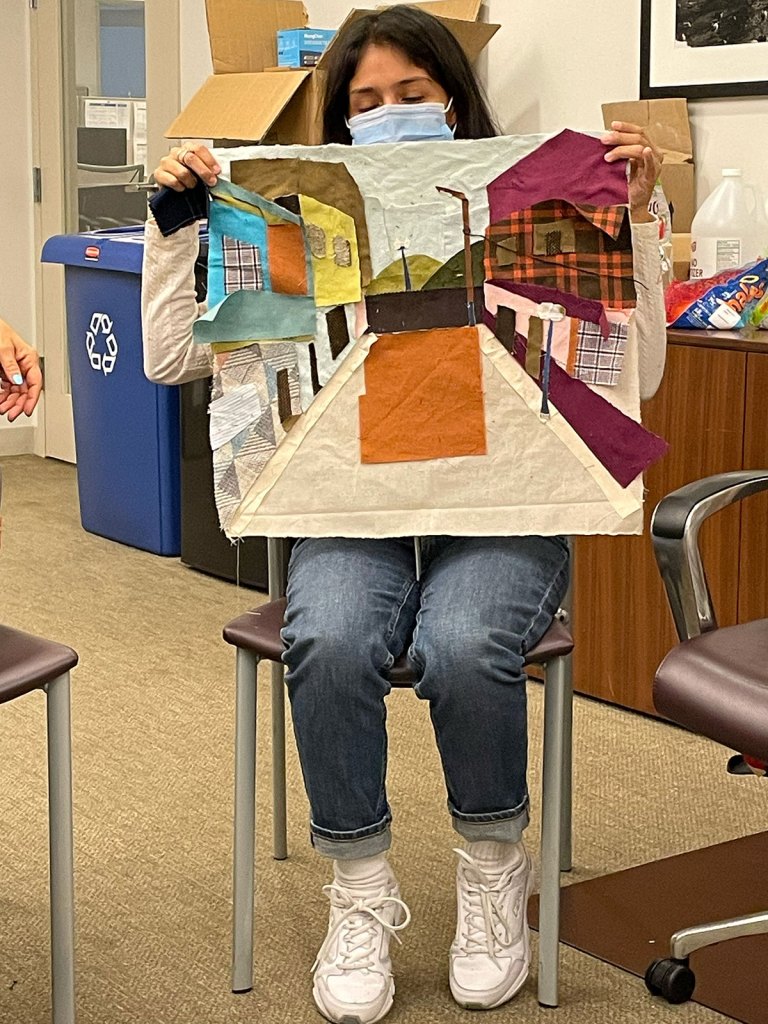
Through the creation of story cloths, women reclaim their agency and move past their trauma. Credit: Common Threads Project
What can the arts do? +
What can the arts do?
A scoping review, What is the evidence on the role of the arts in improving health and well-being? [LINK], published by the World Health Organization’s (WHO) Regional Office for Europe, identified 3,700 studies indicating that the arts can potentially impact both mental and physical health. [LINK]
The Illumination Fund’s Arts in Health initiative addresses several key areas in the review, including:
- Enhancing mental health and well-being
- Helping people who are experiencing mental illness
- Supporting well-being and engagement of people with neurodegenerative disorders, including Parkinson’s and Alzheimer’s Disease
- Reducing the impact of trauma
- Reducing health-related stigma
- Supporting caregiving by improving clinical skills and the well-being of formal and informal caregivers
- Engaging marginalized communities and populations using culturally appropriate strategies
The arts are not a panacea and are not a substitute for essential mental health services, but research has demonstrated that they can be an effective tool as an entry point to address many mental health issues, particularly stigma and trauma. And many people will not seek formal mental health services and may not step into a therapist’s office. There need to be other ways to reach people who are struggling.
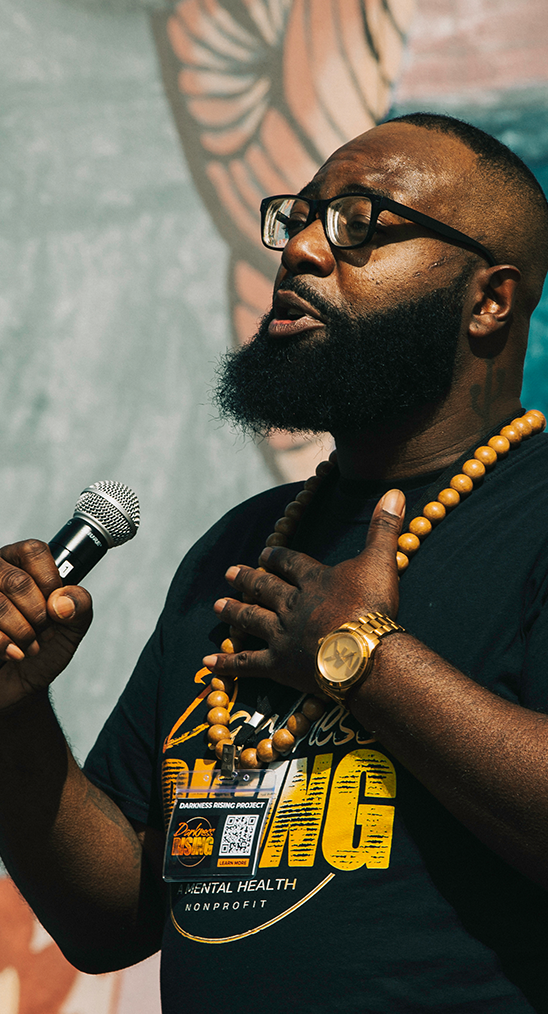
Culturally competent care, especially for BIPOC communities, dramatically reduces the stigma often associated with accessing mental health care. Credit: Darkness RISING Project
A National and Global Movement for Arts in Health +
A National and Global Movement for Arts in Health
The field of arts in health has been around for decades but has never before had the momentum that we see today. Programs are flourishing, and research is showing additional evidence of success.
During the pandemic, people all over the world experienced the importance of the arts. There was a massive growth of arts activities as people were isolated, and the arts became a means to connect and build community with others who have shared experiences and interests.
As the world emerges from the shadows of the pandemic, it has become undeniable that the arts are not just a luxury but a lifeline to our well-being. With an
ever-growing body of evidence and a network of pioneering organizations leading the charge, it’s clear that integrating the arts into health and wellness is not merely a trend but a vital evolution.
We created this report to show how the grantees in the Arts in Health initiative are impacting lives and changing the field, and to inspire fellow funders, nonprofits, and philanthropists to join us in championing the essential fusion of art and medicine. Together, we can forge new pathways to enhance lives, foster deeper connections, and build a healthier, more vibrant future.
A Roadmap for the Future
As we look to the future, the Illumination Fund remains committed to deepening its engagement and expanding impact within the arts in health community in New York. Building on the success of the initiative over the first six years, based on lessons learned, we aim to amplify the transformative power of the arts in healthcare through several key strategic directions:
1. Scaling Successful Programs and Fostering Creativity: While the initiative has helped to expand access to the arts to address key health issues, the need for services is even greater today. We will foster innovation in the field of arts in health as well as help organizations with proven programs expand services to touch more lives and promote health across diverse populations.
2. Innovative Partnerships: Partnerships are critical for sustaining and enhancing impact in the field. We will help our grantees create collaborations with healthcare providers, arts organizations, community-based organizations, government agencies, and academic institutions to develop innovative projects at the intersection of arts and health. These partnerships help pilot new approaches and broaden the scope of issues being addressed through the arts.
3. Research and Evaluation: To better understand and communicate the impact of the arts in healthcare, we will invest in robust research and evaluation of grantee programs and models. By helping our grantees partner with leading research institutions, we gather empirical data on the health benefits of arts integration into healthcare. This evidence not only informs the work of the grantees and their partners, but also helps us refine our strategies and provides evidence for the broader adoption of arts in health practices.
Together with arts organizations, healthcare organizations and other philanthropists and foundations, we can create a future where the arts are an integral part of healthcare, enriching lives and transforming communities.
Rick Luftglass
4. Building Awareness: Increasing awareness of the importance of arts in health is essential for long-term sustainability. By sharing success stories and best practices, we inspire other organizations and stakeholders to embrace the arts as a vital component of healthcare.
5. Community-Centered Approaches: Ensuring that the programs we support are inclusive and culturally sensitive is a priority. We encourage grantees and community members to create programs that reflect their community’s needs and preferences. This grassroots approach helps build trust and fosters a sense of ownership among participants.
6. Sustainability and Capacity Building: To ensure the longevity of our efforts, we will focus on sustainability, professional development, staff support, and capacity building within the organizations we support. We learned during COVID that burnout among nonprofit staff is a serious issue and one that the arts can help address. In addition, providing training and resources to healthcare providers, administrators, and artists empowers them to continue delivering high-quality, arts-based health interventions independently.
The Laurie M. Tisch Illumination Fund’s Arts in Health initiative is poised to make even greater strides in the coming years. By increasing investments in successful programs, and research; fostering innovative partnerships; embracing community-centered approaches; helping to grow the field of the arts in healthcare; and building sustainability through staff development and capacity building, we are committed to enhancing health and well-being through the power of the arts. Together with arts organizations, healthcare organizations and other philanthropists and foundations, we can create a future where the arts are an integral part of healthcare, enriching lives and transforming communities.
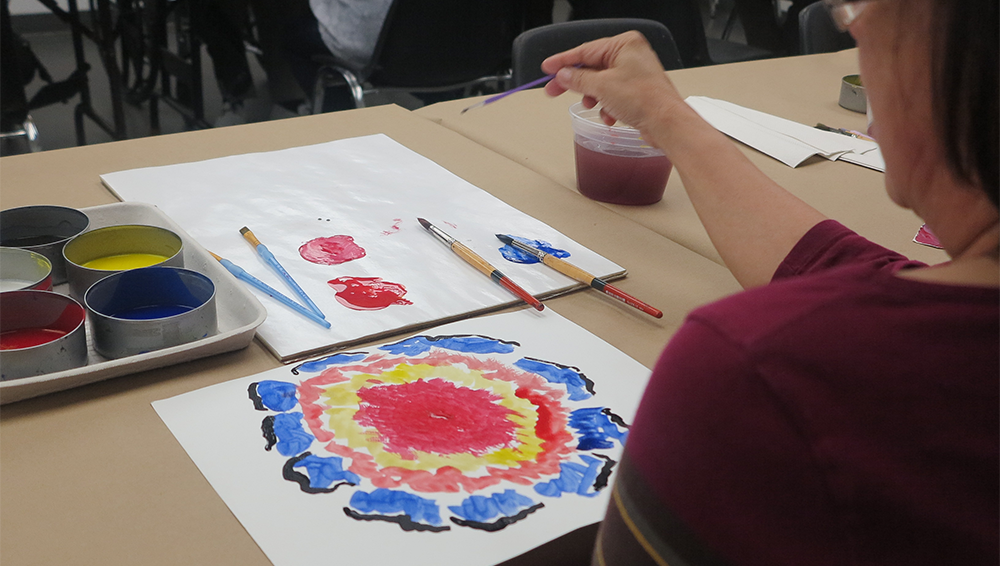
82% of Americans surveyed agree that the arts are helpful in coping with aging-related diseases. Credit: Arts & Minds
The Power of the Arts to Build Strong Communities, Improve Health and Healing, and Foster Flourishing

Susan Magsamen
Founder and Executive Director
International Arts + Mind Lab
Johns Hopkins University School of Medicine
Today, we stand on the verge of a cultural shift in which the arts can deliver potent, accessible, and proven health and well-being solutions to billions of people. The ability to experience the arts and aesthetic experiences is among the defining characteristics of being human. We take in the world through our senses; smell, sound, taste, touch, and vision are powerful pathways into the brain. Science is now proving what artists have known for millennia — our brains and bodies are wired for art.
Allied with the growing research base, a vast number of arts practitioners are drawing on an arsenal of modalities to advance health and well-being. Validated by a combination of professional experiences and quantitative and qualitative evidence, practitioners are using arts interventions to improve mobility, memory, and speech; relieve pain and the after-effects of trauma; ease the course of chronic and degenerative diseases; enhance learning outcomes; build resilience; lessen the stigma associated with mental health disorders; and address other challenges that sometimes seem intractable. [LINK]
Beyond their capacity to lessen the toll of discrete medical conditions, the arts are playing a somewhat less easily measured — but no less crucial — role in advancing well-being, fostering social cohesion, and forging the more equitable, resilient, and economically viable communities that can grow and sustain health. [LINK] By showcasing and supporting coherent, culturally distinct communities, the arts provide ingredients that are vital for collective health.
While these findings are helping to shape new approaches in healthcare, education and public health, Laurie Tisch and Rick Luftglass at the Laurie M. Tisch Illumination Fund were already ahead of the science. In 2018, the Illumination Fund launched its Arts in Health initiative, providing a point of intersection for multiple fields that are perhaps not accustomed to working together. The idea of community is central to Arts in Health, and the initiative supports organizations that are focused on health and wellness issues and that use the arts as a tool and resource, with the hope and intention of building opportunities for underserved communities and addressing disparities.
Read More +
The Arts in Health initiative is impactful on several levels. It allows the grantees to leverage their intrinsic and embedded knowledge of the arts to address challenges specific to their populations. It provides the resources for grantees to build and sustain practices that will enhance the health and well-being of participants. And, it has built a coalition of groups that will have a significant and positive impact on the New York City community as a whole.
I was invited to join a Zoom-based meeting of the grantees during the COVID-19 pandemic and an in-person convening at Harlem Hospital in 2023. It was a real honor, and I was profoundly moved to hear the grantees’ stories and learn more about their programs and efforts. I watched as they shared their successes and challenges at a proverbial watering hole of information and also gathered ideas to enhance their programs going forward. The grantees, convened in this way, make essential linkages with one another and may, through those connections, be able to grow their own programs in ways not possible before. And, collectively, they can better understand and appreciate the meaningful difference in the lives of New Yorkers.
In a culture that prizes statistics so highly, the Arts in Health initiative shows that there are numerous ways to define value, validate strategies, and demonstrate success. While several grantees provide quantitative measures, others choose to show qualitatively how their programs are working. At the 2023 convening, I presented a model that I consider when defining and assessing impact: “multiple ways of knowing.” While randomized controlled trials and other quantitative approaches help to translate information to certain audiences, they are not the only way to establish evidence. Storytelling, narratives, and other qualitative approaches are other ways of knowing that can broaden the body of knowledge. The Illumination Fund has the wisdom to know that one size does not fit all; it values diversity and differences. The Arts in Health initiative is creating new and important definitions for what success looks like. This is imperative for the funding and research community to understand and embrace.
The Illumination Fund’s Arts in Health initiative is part of a global movement that is bringing together artists, researchers, and other stakeholders to make the arts and aesthetic experiences part of mainstream medicine and public health. In 2019, my colleague Ruth Katz at the Aspen Institute and I launched the NeuroArts Blueprint: Advancing the Science of Arts, Health, and Wellbeing. This partnership between the Johns Hopkins International Arts + Mind Lab Center for Applied Neuroaesthetics and the Aspen Institute’s Health, Medicine & Society Program aims to define and — with coalitions and collaborators — build consensus around an interdisciplinary field that we call “neuroarts.” An overarching goal is to understand how the arts and aesthetic experiences affect our brains, bodies, and behaviors and to translate this knowledge into practices that support health and well-being anytime anywhere.

Outdoor performances bring mental health issues into the public sphere. Credit: Fountain House
We have identified five core principles:
- Experiencing art is fundamental to being human, a common thread across cultures, racial and ethnic backgrounds, age groups, income levels, and skill sets. The arts offer a shared language, a means of elevating diverse voices, and a catalyst for action.
- The arts, as expressed through many modalities, have demonstrable, evidence-based impacts on physiological and psychological health and well-being.
- Science and technology make it possible to understand and measure the biological effects of the arts and aesthetic experiences on individuals and populations.
- Neuroarts provides the connective tissue to bring together science, the arts, and technology as equal partners to advance health and wellbeing.
- The benefits of the neuroarts field must be readily, consistently, and equitably accessible to all populations across the lifespan and in every community.
An extraordinary opportunity is at hand — by fully integrating the arts into health-building activities that are accessible to all and have rigorous evidence, we can foster individual health and well-being, strengthen our communities, and fulfill a human birthright.
One of the foundational strategies of the NeuroArts Blueprint is the Community NeuroArts Coalitions effort, straddling both evidence and community-building impact. Thus far, the NeuroArts Blueprint has catalyzed Community NeuroArts Coalitions in Kansas City and West Palm Beach, with others in the pipeline. Each is different because they’re locally driven. The Illumination Fund’s Arts in Health initiative in New York City has been a model that we have cited. The Illumination Fund’s Arts in Health grantee cohort has joined as New York City’s Community NeuroArts Coalition, and the Illumination Fund has become a supporter of the NeuroArts Blueprint.
When I see the Arts in Health grantees coming together as a learning community, I feel confident that the arts are thriving, and they are creating new ways to benefit society. There is great momentum among the grantees, and I see lessons for the larger world and a successful model that we should consider. The Arts in Health initiative is immediate, accessible, and affordable. It is inspired and hopeful, continuing to tap into the power of the arts, calling upon the wisdom of its diverse stakeholders and offering solutions that need to be magnified.
The structure of the initiative makes it replicable within communities of varying sizes, populations, and challenges throughout the world.
My hope is that as organizations, artists, funders, researchers, and policymakers in other communities read this report they will explore what is happening locally and find ways to accelerate action and impact. I suspect that the seeds of the integration of arts, health, and wellness programs are already taking root. The Arts and Health initiative is a beautiful example of what can happen when we come together to make real and lasting difference through the arts.
Rockefeller Philanthropy Advisors Insights:
Trust, Innovation and Impact

Latanya Mapp
President and CEO
Rockefeller Philanthropy Advisors
Rockefeller Philanthropy Advisors is a global nonprofit dedicated to accelerating philanthropy in pursuit of a just world. Through deep collaboration with our projects and the broader philanthropy ecosystem, we lead efforts to address complex global challenges. With a diverse and experienced team, we advance impactful solutions across a wide range of issue areas through audacious philanthropy. Since our founding in 2002, RPA has grown into one of the world’s largest philanthropic service organizations, committed to sharing knowledge and driving meaningful change.
RPA has been working with the Laurie M. Tisch Illumination Fund since 2008, providing strategic advice, facilitating planning for new initiatives, and benchmarking impact. In our 2022 global philanthropy study, Operating Archetypes: Philanthropy’s New Tool for Strategic Clarity, [LINK] RPA spotlighted the Illumination Fund as a leader in transformative, long-term support for crucial institutions in New York, and its willingness to take risks and forge new directions in philanthropy.
In 2023, RPA was engaged to assist with the Arts in Health Progress Report. We spent six months interviewing grantees, attending convenings, listening to experts, drafting materials, and managing the project timeline to keep things moving. Through this process, we gained new insight into the Illumination Fund’s approach to developing and implementing its initiatives. We offer our insights below to highlight the innovative strategies and adaptive methods that have defined the Illumination Fund’s impact.
Thoughtful
Program Design
The Arts in Health initiative is distinguished by its deliberate approach to program design. In 2017, the Illumination Fund identified the growing trend of integrating arts into healthcare and spent a year researching evidence-based practices and consulting experts to pinpoint current needs, gaps, and promising developments. They chose to focus on supporting underfunded organizations addressing mental health stigma, trauma, and aging-related diseases.
By targeting organizations with great potential but limited resources, the Illumination Fund tailors its support to address specific gaps and challenges, offering a strategic framework to help these organizations achieve their
goals and expand their impact. The program includes a robust feedback mechanism, allowing for ongoing adjustments based on grantee input and evolving needs. This iterative approach enhances the relevance and effectiveness of each grant, fostering continuous improvement and responsiveness.
The Arts in Health funding framework showcases how a thoughtfully designed program can drive meaningful, adaptable solutions in complex environments, and can serve as a model for others who wish to fund emerging fields.
Grantmaking
Grounded in Trust
From the beginning, the Illumination Fund approached arts and health grantmaking with an open mind and a foundation of trust. They recognized that trust was essential for the initiative’s success. Our interviews revealed that grantees viewed the Illumination Fund as a supportive and accessible thought partner, instead of imposing top-down decisions. Grantees reported that when challenges arose, the team provided practical assistance and troubleshooting support rather than adding more requirements and additional hurdles. This trust was essential during the pandemic, when grantees faced unprecedented difficulties. In these trying times, the Illumination Fund offered crucial support, helping partners adapt and continue serving their communities amidst new and significant challenges.
Strategic
Flexibility
The Illumination Fund’s flexibility is another key differentiator. The Illumination Fund listens carefully to their grantees and is actively engaged in assessing needs and adjusting grants accordingly. In the very early days of the pandemic, they demonstrated this flexibility when the tremendous need for mental health services, especially among healthcare workers, and the negative stigma in seeking out this form of health care came to the fore. During this uniquely devastating, isolating, and unpredictable time, the Illumination Fund adjusted its support so grantee partners’ programming and services could truly meet the needs of the moment. The Illumination Fund provided additional funds for its grantees, and also launched its first open call for proposals to expand their giving — focusing on mental health needs in communities that were disproportionately affected by the pandemic. This thoughtful decision not only met immediate needs, but resulted in exposure to innovative organizations and fostered new partnerships and insights it might not have had with an invitation-only grant application.
Beyond
the Dollars
One of the most striking aspects of the Illumination Fund’s strategy is its emphasis on fostering connectivity among grantees. By creating a collaborative cohort experience, the Fund has enabled valuable exchanges of knowledge and resources, transforming isolated organizations into a network of synergistic partnerships. This approach not only enhances collective impact but also builds deep, meaningful connections, often overlooked in traditional funding models.
“Coming together fosters community, allowing for collaboration, troubleshooting, and shared learning. That is the magic of the cohort.”
David Leventhal,
Program Director
Dance for PD®
“The cohort provided us with an opportunity to reflect together. We were all working towards an opportunity to talk about mental wellness; we were each using a different approach and working with different communities. To know that there were peers out there provided us with a sense of community and a sense of strength.”
Jorge Merced,
Associate Artistic Director
Pregones/Puerto Rican Traveling Theater
Non-Grantmaking Strategies
Connecting
The Illumination Fund promotes network-building by linking grantees for research, counsel, and collaboration. Grantees have highlighted the benefits of shared learning and community in strengthening their work.
Convening
The Fund organized a grantee cohort to facilitate communication and feedback, offering real-time insights into evolving needs. Donors like the Illumination Fund are building interconnected ecosystems of organizations working beyond traditional lines. Illumination Fund Executive Director Rick Luftglass explains that “this process really gives the team the pulse of things changing in real time.” By convening grantee cohorts, the Arts in Health program also creates opportunities for the Fund and grantee partners to share knowledge and cross-pollinate different areas of expertise. The Arts in Health initiative also uses convening to center grantee partners and communities served to fulfill the fund’s commitment to equity.
In the first year of the initiative the Illumination Fund gathered grantees in public forums to raise awareness and encourage collaboration in the initiative’s three focus areas: mental health stigma, trauma, and aging-related diseases.
Sharing with the Field
Executive Director Rick Luftglass has moderated panels at major conferences, showcasing grantee work through performances and discussions. This outreach helps share the field’s evolving practices and insights and raises awareness about the work of the grantees, individually and collectively. This has proven especially valuable in the wake of the pandemic, when more organizations and funders witnessed the mental health fallout and wanted to consider strategies to address the needs.
Communicating
The initiative prioritizes raising awareness of grantees’ work through media coverage and social channels. The Illumination Fund invests in communications — obtaining press coverage for specific programs and amplifying the work of the grantees through digital and social media channels. The Fund’s communications consultant, Jan Rothschild, also lends her expertise to the grantees in crafting press releases, and articles in publications such as the New York Times, CSQ and Inside Philanthropy brought the Illumination Fund’s Arts in Health initiative and its grantees to wide audiences.
In 2023, the Illumination Fund began to develop, at the request of grantees, short videos for many grantees in the Arts in Health cohort so they could share stories of impact. The videos are being used to reach new partners, funders, and other key audiences, and are shared by the organizations and by the Illumination Fund.
These communications strategies help amplify the impact of Arts in Health programs, reaching new audiences and potential partners.
Adaptive Evaluation
Programs that work within intersectional, complex areas like arts and health demonstrate results in different ways, which is why both qualitative and quantitative data are important to fully grasp the depth of impact these organizations have on the communities they serve. Arts in health is an emerging field that weighs rigorous scientific measurement equally with storytelling and qualitative data. This balance is significant because some organizations or focus areas may lend themselves better to quantitative facts and figures, while others have an impact best explained through narratives. This dual approach is crucial, as arts in health initiatives often yield profound but difficult-to-measure outcomes. Scientific outputs and intensive research illustrate meaningful takeaways from these programs, while the inspirational stories bring these takeaways to life.
The case studies included in this report illustrate the profound effects the arts can have on well-being in a way statistics alone cannot. To gauge the impact of their grantmaking, the Illumination Fund has developed a distinctive evaluation framework that takes multiple factors into account and that is described fully by Rick Luftglass in his essay.
Conclusion
This report conveys the arts’ ability to transform human health and wellness in ways we’ve rarely seen so vividly before. As philanthropy advisors, it’s promising and, indeed, exciting to imagine the possibilities of what comes next in this growing field. It often takes a courageous and fearless pioneer to take risks and create future funding opportunities for others. The Laurie M. Tisch Illumination Fund is a trailblazer in this field, setting a high standard for others to follow.
We believe this report will serve as an inspiring and valuable resource, showcasing the extraordinary possibilities that lie ahead in the realm of arts and health.
What Does Impact Look Like?
by Rick Luftglass
Every funder faces the question of how to measure the impact of its work — both in terms of the success of individual grants and the cumulative impact of its grants, programs, and initiatives.
Foundations and nonprofit organizations talk a lot about evaluation, impact, outcomes, and metrics. There are many ways to try to measure impact. There are theories of change, logic models, cost-benefit analyses, pathways maps, social return on investment, and some use rigorous scientific study models such as randomized controlled studies. All of these are important on a case-by-case basis, but there is a lot of jargon and you can get lost in theories.
The fact is that there is no universal measure of success. Donors care deeply and personally about what they want to support. If you try to fit organizations into a box, you can lose the passion and compassion that motivates donors in the first place.
The real question it all comes down to is “What does impact look like?”
Grantees are the ones that best know the needs of their constituents and can best determine what success looks like in their particular programs, in particular communities, for particular people.
The Illumination Fund honors, celebrates, and learns from its grantees. Because of such variety in programs, each grantee in our Arts in Health initiative determines its own goals, strategies, and ways of determining impact. We ask them to share their own definitions of success. We meet organizations where they are.
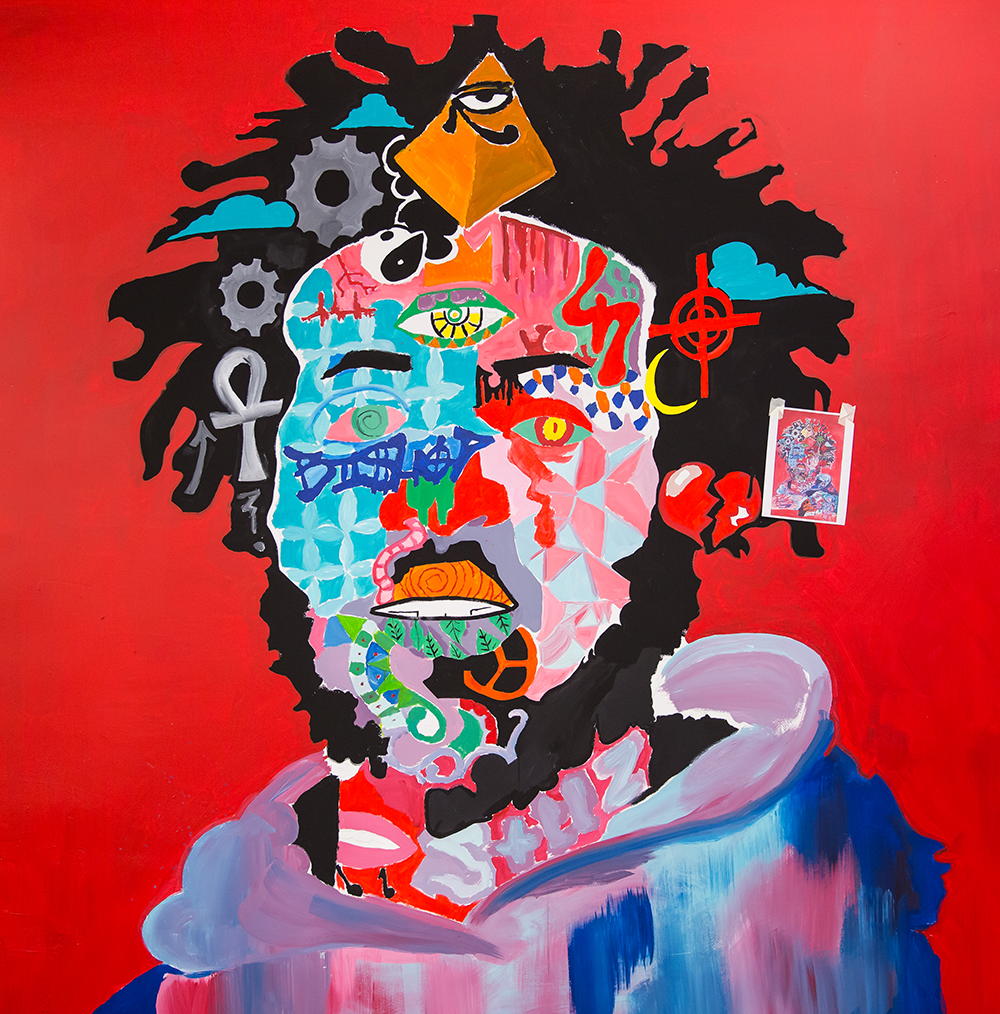
lt is a healing and empowering experience for system-impacted youth to tell their own stories. Credit Artistic Noise. Artist: Hyseem “Bishop” Mcindoe
There is great variety in strategies to assess impact. Some grantees conduct rigorous studies. Others look at basic numbers — counting participants, workshops, events, and other activities in order to assess reach and touchpoints. Many use surveys or focus groups to learn about the experiences of the participants. Yet for some programs, anecdotes about the lived experience of their program participants are the best way of determining impact. These may be entirely subjective but get to the heart of impact on individuals.
These are all valid ways to assess impact. We’ve adopted a phrase from Susan Magsamen of the Johns Hopkins University International Arts + Mind Lab: there are “many ways of knowing.”
Funders need to be judicious about resources. Almost anything can be measured, if you have enough money and time, but that doesn’t mean that it should. In all cases, we ask:
- What is meaningful?
- What is reasonable given the size of the organization?
- What is useful, and for what purpose?
- What is actionable?
We also are cautious about one-size-fits-all approaches to defining impact, as the resources required to conduct assessments pose structural impediments for small, grassroots organizations, many of which are led by and serve marginalized communities.
This Progress Report is not a formal evaluation. It is a synthesis of multiple ways of considering what impact looks like and sharing what we and our grantees have learned.
“How is a funder to compare the impact of a social justice dance group working with survivors of domestic violence to a Latinx theater company providing connections to mental health care through interactive theater, or a mental health organization using filmmaking as a medium to combat stigma, or a hospital system that is using the arts to promote wellness and help frontline staff who are at risk of burnout?”
Kira Pritchard,
Program Officer
Laurie M. Tisch Illumination Fund
Impact Framework
When we gauge impact, we consider multiple levels.
1) Grantee-determined impact
- First, we identify what the grantee determines is important for them to assess and evaluate rather than imposing our own measures and methods. Depending on the organization and its programs, they may be assessing impact at the level of individuals, activities, interventions, initiatives, or the organization itself, and using a wide range of approaches. The metrics are unique to a specific organization since the health issues, populations, and program models are so distinct.
2) Cross-cutting impact
Because we can look across more than 30 Arts in Health grantees, we also see commonalities, patterns, and shared goals across the organizations — each addressing different issues, populations, and disciplines, yet sharing common touchpoints in connecting the arts to health.
- Increasing Access
- Establishing Collaborations and Partnerships Across Organizations, Fields, and Sectors
- Building and Sharing Knowledge to Inform Programs and Policies
- Developing Organizational Capacity and Building a Leadership Pipeline
For nonprofit organizations, these are second nature, but identifying and maximizing them is a way to build impact.
3) Finally, we consider our own activities and how they contribute to and amplify the work of the grantees.
You can learn more about each level by clicking in the following items:
When the Illumination Fund considers impact, we look at three levels:
Hover or click to learn how we assess each level of impact
Grantee-determined Impact +
Grantee-determined Impact
Whether through expanding reach or deepening individual impact, our grantees measure impact using tools and strategies that make the most sense for their constituencies.
Grantee-determined impact highlights both individual and organizational transformations through arts programs.
Some grantees use rigorous studies and analysis:
- Gibney, in partnership with Sanctuary for Families and Teachers College, Columbia University, conducted a National Endowment for the Arts-funded study on the Move To Move Beyond® program for survivors of intimate partner violence. This first randomized trial for survivors of intimate partner violence revealed significant reductions in PTSD symptoms and psychological distress over 12 virtual sessions, improving participants’ mood, self-expression, and community building. (LINK)
- Art Start uses validated case management systems to track achievements in Social Emotional Learning and adaptive mindsets through Individual Service Plans. In 2023, 75% of youths demonstrated increased collaboration, communication, and critical thinking skills; 70% showed growth in goal and growth orientation, essential for career readiness. (LINK)
- The Art Therapy Project offers group therapy for severe trauma victims, tracking psychological outcomes and participation. Therapists and client self-assessments evaluate the therapy’s effectiveness in reducing stress and developing coping mechanisms. (LINK)
- Dances For A Variable Population’s Moving Minds program, assessed by an external evaluator, documented improvements in participants’ mental health, confidence, and social connectivity through quantitative and qualitative methods. (LINK)
Other grantees measure impact by reachand engagement:
- Arts & Minds held museum-based programs in 2023 for over 1,500 Alzheimer’s and dementia sufferers and their caregivers, enhancing accessibility with programs in Spanish and extending outreach through 65 community partnerships. Training for museum and dementia care professionals further amplifies their impact. (LINK)
- For Community Access’s Changing Minds Young Filmmaker Competition and Festival, the best measurements are reach and participation: the number of submissions to the annual film festival, the size of in-person and online audiences; and feedback surveys from the festival. Cumulatively, since the inception of Changing Minds, Community Access has received 4,900 submissions from young filmmakers in 95 countries. (LINK)
- NYC Health + Hospitals Arts in Medicine engaged thousands of hospital staff and patients through a variety of programs, including art workshops, residencies, and public concerts. New art installations across hospitals and a patient art exhibition at Woodhull Hospital highlight therapeutic and empathetic enhancements in healthcare environments. In 2024 a formal evaluation of the Community Mural Project was launched by the Jameel Arts & Health Lab at New York University and the World Health Organization, signifying a strategic approach to understanding and enhancing the arts’ role in health improvement. (LINK)
Cross-cutting Goals +
Cross-cutting Goals
Every Arts in Health grantee aims to increase access — in alignment with our mission of “access and opportunity” — though their goals and strategies greatly differ.
Expanding Access
Some organizations focus on broad outreach, while Conversely, others prioritize intensive, deep, long-term engagement:
- IndieSpace has provided Mental Health Micro Grants to more than 1000 indie-theater artists as of August 2024, subsidizing costs for therapy, medication, and other services, with about 70% of recipients identifying as part of marginalized groups. They track impact anecdotally through engagement with grantees. (LINK)
- Darkness RISING Project in 2023 connected 9,000+ attendees to mental health resources through live events, addressing barriers like stigma, availability, and affordability. They conduct surveys at events with email follow-up, track mental health resource packets provided, community partnerships developed, and sign-ups to Find Me A Therapist program and REBUILD, which provides free therapy sessions to formerly incarcerated individuals. (LINK)
- Artistic Noise maintains deep, sustained relationships with participants over approximately three years, focusing on impactful interactions rather than scale — measuring success through the number of workshops, earnings from its Art & Entrepreneurship program, and direct feedback from youths. In 2023, Artistic Noise launched Art & Care, a drop-in program at the School of Visual Arts in order to increase its reach. (LINK)
- Common Threads Project offers therapeutic support in small groups to refugee survivors of gender-based violence over 6-12 months to ensure personalized care, tracking psychological progress confidentially and gathering feedback from partners. (LINK)
Developing Collaborations and Partnerships Across Organizations, Fields, and Sectors
Every nonprofit recognizes the importance of collaborations and partnerships, especially among organizations that bridge different fields, such as arts and health, where partnerships are inherent to the model.
Key insights from our 2021 Arts & Mental Health call for proposals highlighted the necessity for grantees to establish robust partnerships with mental health professionals in order to design, implement, and monitor effective programs.
- Target Margin Theater’s “Here and Now” Community Storytelling Project engaged Sunset Park’s diverse immigrant community in multiple languages through a partnership with RaisingHealth Partners. Mental health professionals were present during sessions to provide support, with bilingual community health workers offering interpretation. (LINK)
- Artist Mary Ellen Carroll/MEC Studios, DYKWTCA (Do You Know Where The Children Are), and Terra Firma, a Bronx-based health, mental health, and legal services organization, created RSVP to introduce the arts and arts occupations to recently arrived unaccompanied immigrant children seeking humanitarian protection as an acculturation “path-marking experience.” Storefront Center for Art and Architecture served as fiscal sponsor, and program hosts included: Times Square Arts (performance and theater), National Sawdust (music), and Diller, Scofidio + Renfro (architecture).
(LINK) - DE-CRUIT, which uses theatre to meet the diverse mental health needs of military veterans, partners with the New York City Department of Veterans’ Services, the Advocacy and Community-Based Trauma Studies (ACTS) Lab at New York University, and the US Department of Veterans Affairs (VA) health system (LINK)
- NYC Health + Hospitals Arts in Medicine works closely with museums, cultural organizations, and community-based mental health service providers, integrating arts into public health initiatives. (LINK)
- Pregones/PRTT engaged 6 Bronx-based community mental health and social service organizations as partners for engagement during workshops and for targeted audiences, and more than 20 additional organizations for outreach. (LINK)
- The Creative Center partnered with NYC Health + Hospitals to expand the hospital system’s artists-in-residence program. (LINK)
- CaringKind coordinated with Arts & Minds for museum staff training and partnered with ID Studio Theater to deliver programs for Spanish-speaking participants in northern Manhattan. (LINK)
Building and Sharing Knowledge to Inform Programs and Policy
Several grantees have shared their program learnings externally through conferences, trainings, presentations, and publications — extending their influence beyond
their organizations.
- The Art Therapy Project introduced a “standardized progress note” for art therapists to enhance communication with medical professionals and clarify therapy processes. This initiative was studied at a program partner site, with results published in the Canadian Journal of Art Therapy. Additionally, the findings were presented by Ian Kwok, MD at the 2022 Center to Advance Palliative Care National Seminar. (LINK)
- Gibney’s research study — “Exploring a Dance/Movement Program on Mental Health and Well-Being in Survivors of Intimate Partner Violence During a Pandemic” — supported by the National Endowment for the Arts and matched by the Illumination Fund — was published in Frontiers in Psychiatry, the second most-cited journal in the field of psychiatry, and the authors presented findings at the 2023 American Psychological Association Convention. (LINK)
- Dance for PD® has been featured in more than 40 peer-reviewed studies. including a 2022 study in Frontiers in Psychology, (LINK)] and another in Aging Clinical and Experimental Research. (LINK) In 2023, the International Journal of Qualitative Studies on Health and Well-being published a study on “The meaning and impact on well-being of bespoke dancing sessions for those living with Parkinson’s.” (LINK)
Strengthening Staff Capacity and Building a Leadership Pipeline
Sustainable programs require a pipeline of new leaders and advocates, especially those with lived experiences, as they bring vital knowledge and perspectives for authentic success.
- Artistic Noise employs former participants as Alumni Artists in Residence, Teaching Artists, and Studio Assistants. (LINK)
- Recess’s Assembly program, an artist-led “Alternative to Incarceration” program conducted in cooperation with the Brooklyn Justice Initiative and the Kings County District Attorney’s office, offers individuals who have been arrested a chance to participate in a rigorous 6-week program. After completion, they can advance into a pipeline — becoming paid Peer Leaders and participating in skill-building training and project tracks integrating the arts, job readiness, advocacy, financial literacy, mental health and activism. Upon their completion of Peer Leadership, the participants are offered a 12-month Fellowship capstone program. (LINK)
- Mekong NYC’s Summer Intergenerational Program educates youth and adults about the needs and priorities of the community, builds their knowledge and skills as leaders in the community, and offers opportunities to engage in community organizing, neighborhood revitalization, and social justice efforts. (LINK)
- The Creative Center runs a week-long intensive Arts-In-Healthcare and Creative Aging Training Institute annually, teaching best practices in arts programming for a variety of healthcare and community settings to at least 40 professionals each year. (LINK)
Recognizing that community-based nonprofits often overlook staff development due to funding constraints, the Illumination Fund offers grants specifically for team development, allowing organizations to tailor use to their needs.
These initiatives underline the commitment to nurturing leadership within the arts and health sectors, ensuring programs not only start strong but also have the capacity to endure and evolve.


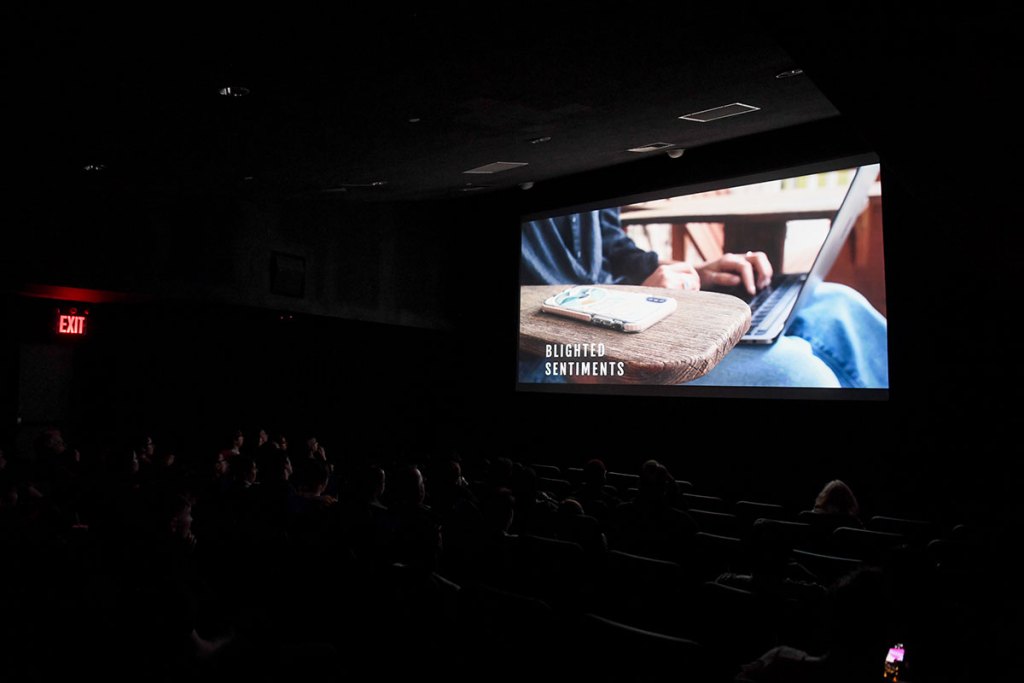

Image 1: Youth from NYC and beyond explore aspects of mental health and wellbeing through filmmaking. Credit: Community Access. Image 2: XXXXX.
Illumination Fund Added Value +
Illumination Fund Added Value
While our focus on grantee-determined impact and cross-cutting impact guides the Illumination Fund’s understanding of the impact of our grantmaking, we also use our role to add value beyond the direct programs. We consider this a tremendous opportunity to contribute toward the organizations, the field, and other stakeholders.
One important way which we provide value in addition to our grants is by connecting grantees to each other and helping to facilitate network building and knowledge building in the field. We also spread the word about the work and radiate outward through reports like this as well as in other channels.
Laurie Tisch has shared the Arts in Health work at forums for the Aspen Institute, Forbes, UJA, Bloomberg, and Hauser and Wirth, and cites the programs in interviews and articles across print, electronic and social media. I participate in and present at conferences and webinars for organizations such as Grantmakers in the Arts, the National Organization for Arts in Health, the Jameel Arts and Health Lab, the World Health Organization, and the NeuroArts Blueprint. These organizations are advancing knowledge, practice, and policy.
The grantee case studies and profiles in this report offer a window into the transformative work of these organizations, the challenges they face, and the impact they achieve. By documenting, synthesizing, and disseminating our insights, we aim to further magnify their influence and invite others to join us in celebrating and supporting their work.
We invite you to explore more on the Illumination Fund’s website, where grantee videos vividly bring these stories to life. A picture may tell a thousand words, but a video captures the heart of their missions in action.
Chapter 1:
A Pioneering Partnership
A Pioneering Partnership: NYC Health + Hospitals
When the Illumination Fund launched the Arts in Health initiative, one of its first and most significant grants was awarded to NYC Health + Hospitals. The partnership was a natural fit, as their mission to provide healthcare to all, regardless of circumstances, aligns closely with the Illumination Fund’s commitment to ensuring access and opportunity for all New Yorkers while fostering healthy, vibrant communities.
With an initial $1.5 million grant, NYC Health + Hospitals established its Arts in Medicine department, consolidating previously scattered arts programs and collection management under a unified team and piloting innovative arts programs to support staff wellness. The collaboration’s success led the Illumination Fund to double its investment in 2021 with a new $3 million grant to expand programming and enhance staff support.
This chapter was compiled from interviews conducted by Rick Luftglass, Kira Pritchard, and Jan Rothschild in the summer of 2024.

Dr. MITCHELL KATZ, President and Chief Executive Officer, NYC Health + Hospitals
NYC Health + Hospitals (H+H) is the largest municipal hospital system in the country. It’s important and different than all the other municipal systems because it’s the only one which is large enough to reach everyone in New York City who wants to be seen at a public hospital. We have the most powerful mission. We are the only system in New York City that cares for people regardless of their economics under a single standard. And central to us is this idea that everybody gets the same level of care.

LAURIE TISCH
My family supports many important hospitals in New York, but when we launched Arts in Health in 2018, it was natural for us to make the City’s public hospital system an anchor for the initiative. It aligns perfectly with our mission. NYC Health + Hospitals seeks to serve all New Yorkers, no matter their ability to pay, gender identity, or immigration status — without exception. That’s truly access, opportunity, and community.
Public hospitals are not typically on the radar of most philanthropists, but they have many excellent and essential programs and services that necessitate philanthropic support. With the arts, NYC Health + Hospitals couldn’t afford to dream big. With our support they can. Our partnership has been transformative. Along with delivering great programming, they are measuring impact, innovating, and expanding the field of Arts in Health.

Dr. ERIC WEI, Senior Vice President, NYC Health + Hospitals, and Chief Executive Officer, NYC Health + Hospitals/Bellevue
When Dr. Katz and I came to NYC Health + Hospitals, we immediately saw that the staff was hurting. People had been operating under this black cloud of a $1.8 billion deficit. Which hospitals are going to close? Which services are going to be cut? How are we going to reduce head count?
We said, ‘no, no, no. We’re going to bring something for the staff.’ And so really putting the focus back on our most precious resource, which is our people — providing support for emotional and psychological trauma, figuratively refilling their tanks so that they can provide the highest quality, safest care and the best care experience possible. That was our first priority. So we implemented Helping Healers Heal, a peer-to-peer employee wellness program Mitch and I had piloted in Los Angeles to support the emotional and psychological well-being of our healthcare workers.
Dr. MITCHELL KATZ
When I joined Health + Hospitals in 2018 there were many surprises, but I think one of the biggest surprises was that there was this huge art collection. And I was hearing suggestions that we build a humidified storage area for the art and fund programs for the art. I’m like, whoa, if I had money, I’d be building something for my patients and staff, not for the art. But I thought there must be a way to bring these two things together to form a bond of using the art collection in a way that furthers our mission. And that’s where philanthropy, and in particular the Laurie M. Tisch Illumination Fund, came in — because we needed a way to bridge this gap.
RICK LUFTGLASS
In 2018, in our initial meetings with CEO Mitchell Katz and his team, we explored H+H’s needs, priorities, and ideas. Was there an interest in connecting the arts to their healthcare mission? Were there existing programs? And they told us “We have an enormous art collection; we have arts programs that benefit patients, but they are disparate and not coordinated centrally. We have arts programs that are community facing, not system wide. But we have nothing for staff. If the arts can help our staff, that would be our priority.”
That was a crystallizing moment for us. Since mental health was already a major focus of the Illumination Fund’s Arts in Health initiative, the issue of mental health of the hospital staff resonated with us. Physician burnout is well known, but the stigma of getting mental health support is also an impediment for seeking help. Their expressed need inspired us to move forward.
Dr. ERIC WEI
After our initial conversations with Laurie and Rick at the Illumination Fund, we put together a plan to create the Arts in Medicine department. We recruited Linh Dang, who worked at Kings County and had previously managed the arts in medicine program at Stanford University, Medical Center, to build the new department and develop the programming at H+H, not only for more patients in more facilities, but also programs specifically designed to address staff burnout and compassion fatigue to go alongside Helping Healers Heal (H3).
RICK LUFTGLASS
Linh came back to us with a system-wide strategy. The plan outlined two overarching goals:
- To replicate and expand specific arts-based programs to reach facilities that were otherwise underserved.
- To create new programs to engage staff in activities that would relieve stress, foster collaboration, improve the work environment, build organizational pride, improve patients’ experiences, and increase community engagement.
Our initial $1.5 million grant was the largest in our Arts in Health initiative. In February of 2019 we announced the partnership at a press conference with former First Lady Chirlane McCray.
Dr. MITCHELL KATZ
Art is one of the things that causes awe. Awe is good for people’s mental health. Awe makes people enjoy their workplace. Coming to work feeling good about your job makes you a better caretaker. You want happy patients, you need happy doctors, happy nurses, happy social workers. So, part of the answer to that was to get the art collection out of storage, get it into the facilities and use it now. I think that was big goal one. The art provokes thought, the art makes people feel like they have a common vocabulary.
But big goal two — and again, I give a lot of credit to Laurie and the Illumination Fund for helping us see this — was to bring people together to make new art. The collection is large and important, but it was not relevant to everybody in Health + Hospitals. It was not a living collection. It was not growing. To make the collection relevant we had to find a way to involve everyone in it, including our hospital communities.
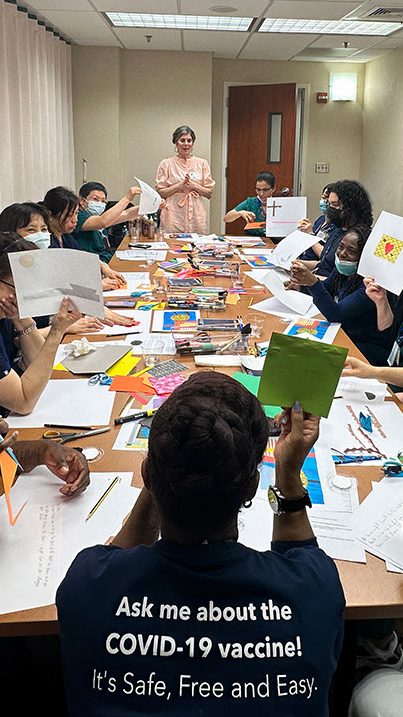
HHArt of Medicine is a signature program to address staff burnout and compassion fatigue. Credit: NYC Health + Hospitals
Arts in Medicine at NYC Health + Hospitals is part of a systemwide strategy to support workforce wellness
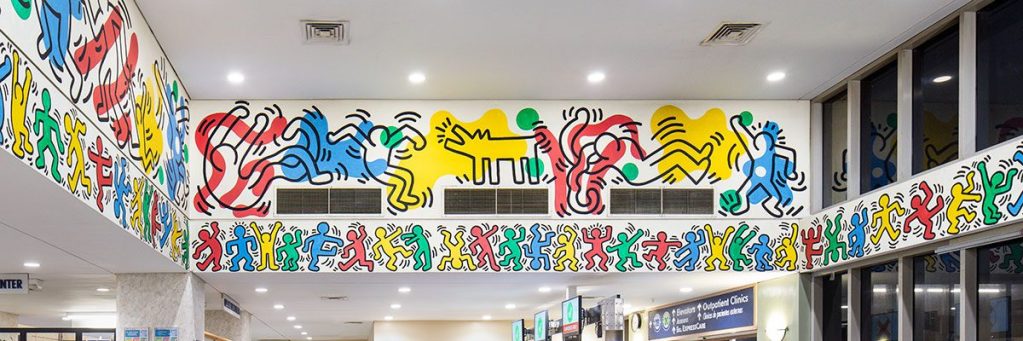
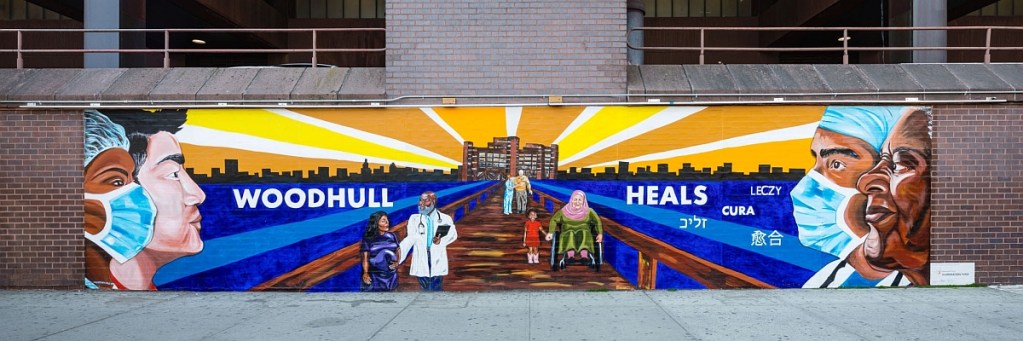
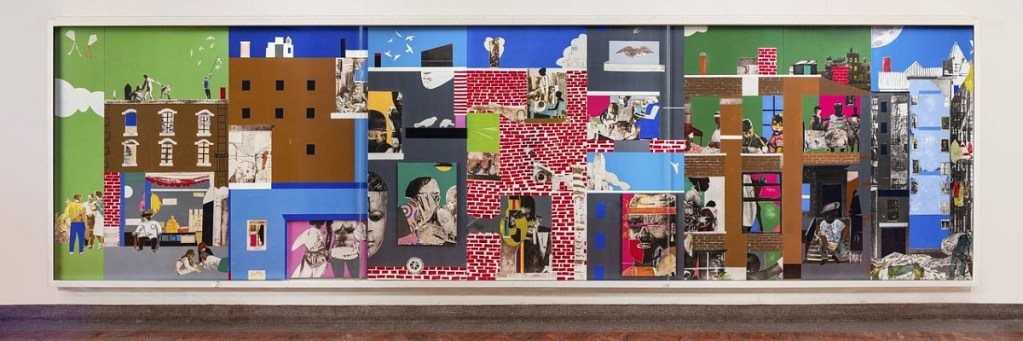
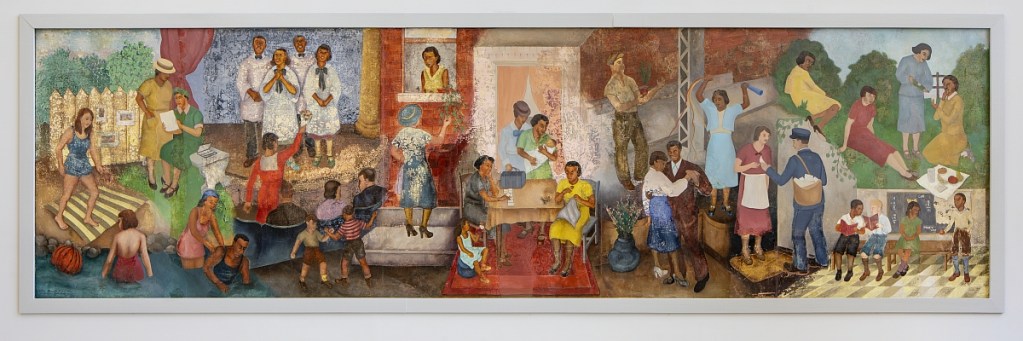
Decades of Murals:
Georgette Seabrooke (NYC Health + Hospitals/Harlem, 1937), Romare Bearden (NYC Health + Hospitals/Bellevue, 1976), Keith Haring (NYC Health + Hospitals/Woodhull, 1986), Imani Shanklin Roberts (NYC Health + Hospitals/Woodhull, 2020). Credit: NYC Health + Hospitals
Chapter 2:
Mental Health
Chapter 2. The Role of the Arts in:
Combatting Mental Health Stigma
Although mental illness is common, the perceived stigma associated with it can produce a sense of hopelessness and shame, undermine personal accomplishment, negatively impact individuals and families, and keep people from seeking help. According to the NYC Department of Health and Mental Hygiene, “40% of adult New Yorkers with a serious mental illness acknowledged that although they needed treatment, they either did not receive it or delayed seeking help.” [LINK] There is public stigma, which is the bias from the public, and self-stigma, which is the internalization of negative attitudes. Untreated mental health conditions can contribute to substance abuse, incarceration, homelessness, unemployment, and suicide.
The arts can have a significant effect on diminishing stigma and building understanding and engagement. A leading expert on stigma, Dr. Patrick Corrigan, has identified several key ingredients of effective anti-stigma initiatives, including sharing stories about personal challenges, hearing from people with “lived experiences,” face-to-face contact that includes a common goal, and having an uplifting message. Those ingredients undergird programs that the Illumination Fund supports through the Arts in Health initiative.
- Teens and young adults in 95 countries submitted 4,600 films to a mental health film competition to foster discussions combat stigma.
- Events with Broadway stars connected 9,000+ people of color to free mental health resources.
- Interactive theater sparked culturally relevant dialogue about mental health in Latinx communities.
Addressing Trauma
Trauma can be caused by experiencing or witnessing life-threatening or violent events. It can also be the result of prolonged or repeated exposure to injurious conditions. Trauma has a profound effect on individuals, families, and communities, with a disproportionate impact in low-income and communities of color. The COVID-19 pandemic exacerbated and amplified longstanding health and mental health disparities, and brought new ones driven by high rates of infection, hospitalizations, deaths, unemployment, domestic violence, homelessness, and pre-existing unmet mental health needs.
Creative expression can be a tool to help individuals and communities by aiding with coping and recovery, building understanding of critical issues, promoting wellness and resilience, developing social bonds, connecting to services, and reducing stigma so barriers to care are decreased.
In a nationally representative poll that the Laurie M. Tisch Illumination Fund commissioned, 87% of Americans surveyed said they believe that the arts can help people recovering from a traumatic event such as abuse, a serious accident or injury, or violence, compared to 13% who did not think the arts would be helpful.
- Intimate partner violence contributed toward reductions in PTSD symptoms and psychological distress, improved mood, and reduced tension.
- Healthcare providers who participated in The Nurse Antigone and Theater of War Frontline reported that they gained new insights about their experiences during the pandemic and that post-performance discussions made it easier to talk about difficult topics.
- Refugee women survivors of sexual and gender-based violence who participated in group therapy and the making of story cloths demonstrated a reduction of depression, anxiety, and trauma-related stress.
ART START
Youth Mental Health Initiative
Focus Area
Mental Health
Serving
At-risk and System-impacted Youth
Discipline
Visual Art
First grant
2022
Art Start takes a youth-centered approach to education and mentorship, providing a safe space for artistic expression and personal exploration. Many participants face instability and transition, often within systems that limit creativity. By emphasizing the creative process, Art Start encourages positive risk-taking, self-discovery, and growth.
With support from the Illumination Fund, Art Start established the Youth Mental Health Initiative to support the mental health needs of the young people it serves. A full-time social worker provides direct social-emotional and mental health support, enhancing the organization’s wraparound services and ensuring youth receive the care they need.
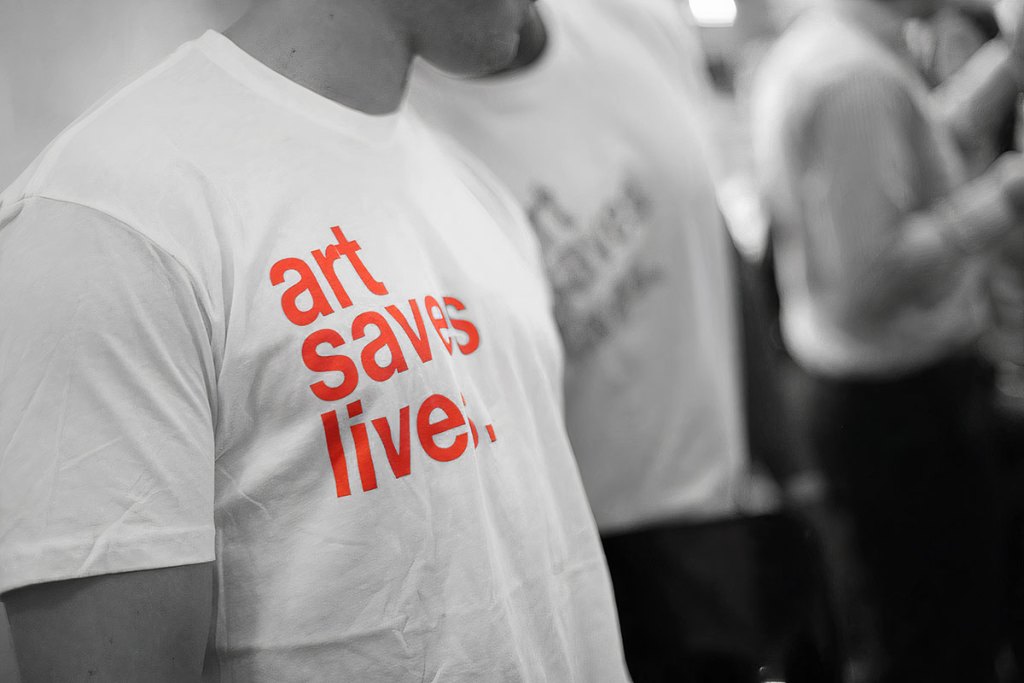
Art Start’s social worker provides direct, wrap-around services including social-emotional and mental health support to its youth. Credit: Art Start
ARTISTIC NOISE
Art & Entrepreneurship and Art & Care
Focus Area
Mental Health
Serving
At-Risk and System-impacted Youth
Discipline
Visual Art
First grant
2019
Artistic Noise empowers system-impacted youth through arts education, employment opportunities, wraparound services, and art therapy. By engaging in workshops, creative projects, and exhibitions, participants develop artistic and entrepreneurial skills while using art as a tool for self-expression and healing.
With support from the Illumination Fund, the Art & Entrepreneurship program provides young people (ages 14-22) with hands-on training in various artmaking techniques. The program fosters creative confidence and professional growth, equipping participants with the skills to showcase their work and explore career opportunities in the arts. Artistic Noise also created Art & Care, a drop-in style mental health-based program hosted by the School of Visual Arts.
Artistic Noise connects the power of artistic practice with system-impacted youth
COMMON THREADS PROJECT
New York City Program
Focus Area
Trauma
Serving
Refugee Women, Survivors of Gender-based Violence
Discipline
Textile
First grant
2022
Common Threads Project helps women heal from the psychological effects of sexual and gender-based violence, particularly in the context of war and displacement. Using sewing and storytelling as therapeutic tools, participants find strength, resilience, and connection in a supportive space designed for deep healing.
With support from the Illumination Fund, Common Threads Project brings its healing circle methodology to local partners in New York, expanding facilitator training and mentorship. By integrating creative expression with trauma-informed care, the program fosters emotional recovery, builds community, and empowers survivors to reclaim their narratives and move forward with resilience.
Common Threads Project uses story cloths to heal the trauma of gender-based violence among refugees
COMMUNITY ACCESS
Changing Minds Young Filmmaker Competition and Festival

Focus Area
Mental Health, Stigma
Serving
Youth
Discipline
Filmmaking
First grant
2018
Community Access empowers New Yorkers with mental health concerns by providing housing, education, job training, and crisis services while advocating for the rights of people living with mental health conditions.
To combat stigma and foster open dialogue, Community Access developed the NYC Mental Health Film Festival and the Changing Minds Young Filmmaker Competition. These programs create safe spaces for individuals to share their experiences and reshape public perceptions. Changing Minds spotlights the work of teen and young adult filmmakers whose short films challenge stereotypes and encourage honest conversations about mental health, promoting greater understanding and acceptance.
Changing Minds Young Filmmakers Competition and Festival combats mental health stigma
DANCE / NYC
Staff Wellness Program

Focus Area
Mental Health
Serving
Arts Organization Staff
Discipline
Dance
First grant
2022
Dance/NYC is dedicated to strengthening the dance community by advancing knowledge, appreciation, practice, and performance across New York City. Through advocacy, research, leadership training, online resources, and grantmaking, Dance/NYC ensures that dance remains a vital part of the city’s cultural landscape while supporting artists, organizations, and audiences.
Recognizing the immense challenges faced by arts workers during the pandemic, with support from the Illumination Fund, Dance/NYC launched the Staff Wellness Program to provide critical mental health and financial support. This initiative focused on resilience, stress management, and financial stability, helping employees navigate uncertainty while fostering a healthier, more sustainable workplace for the dance sector.
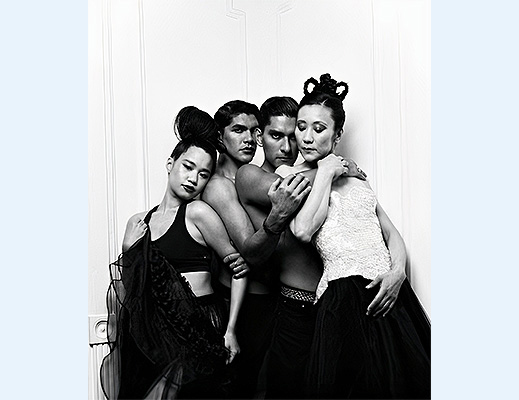
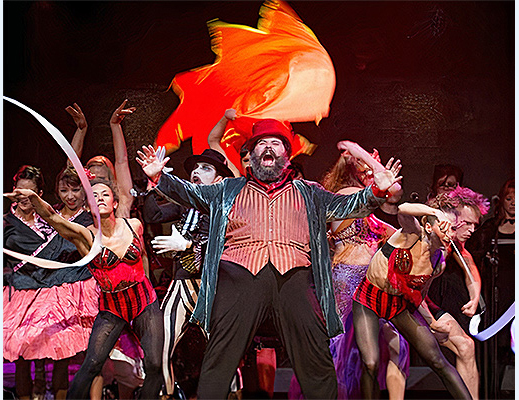
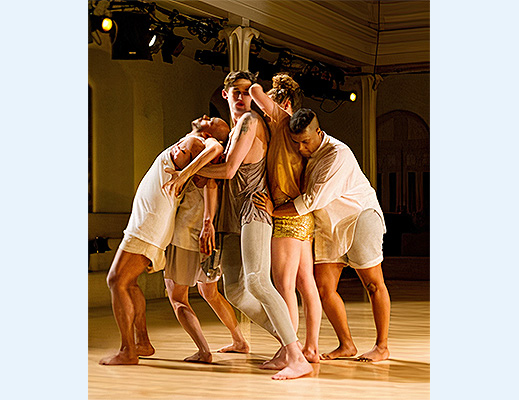
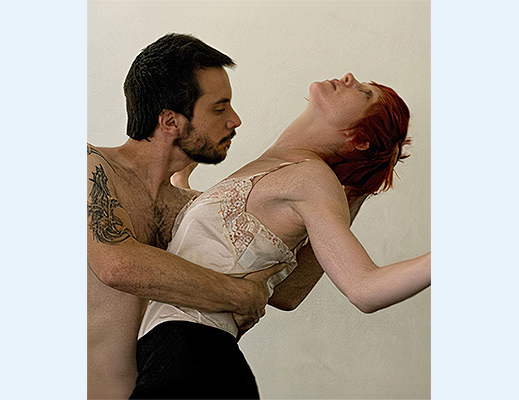
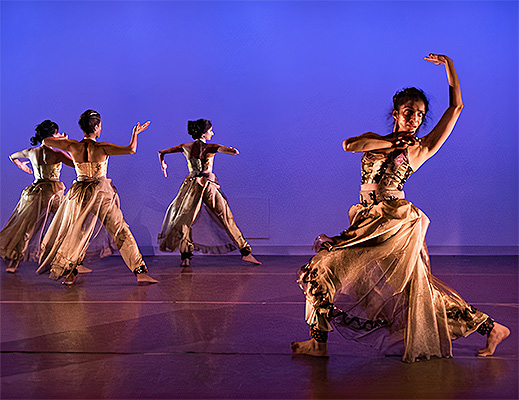
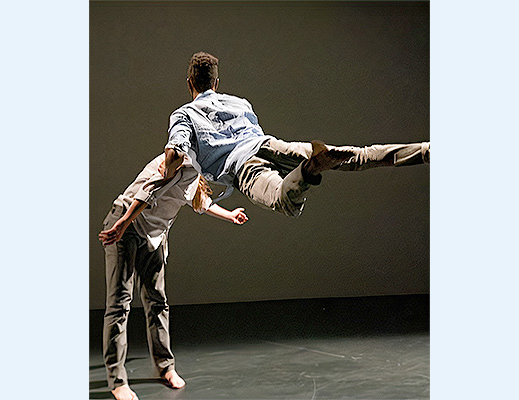
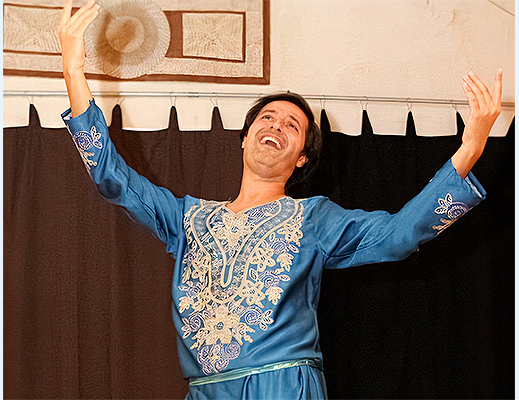
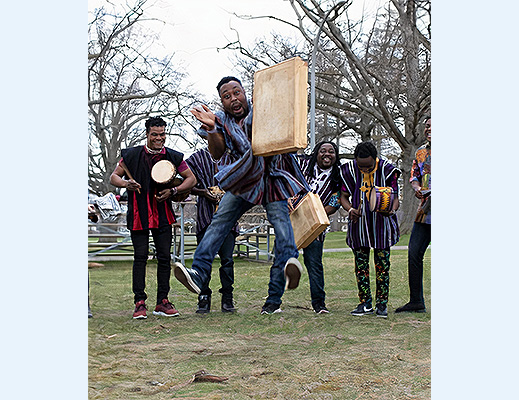
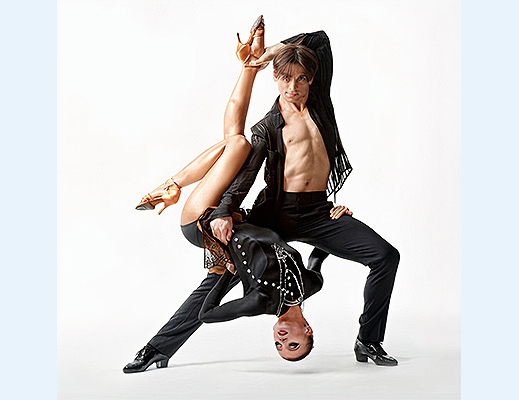


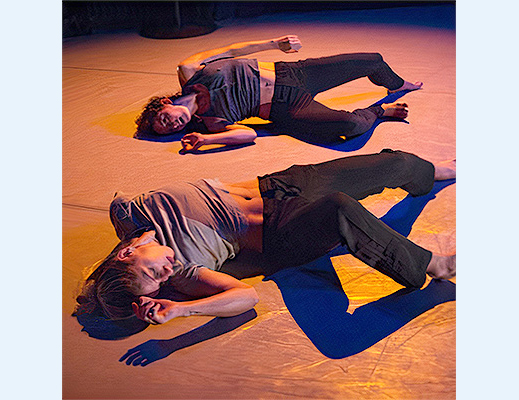
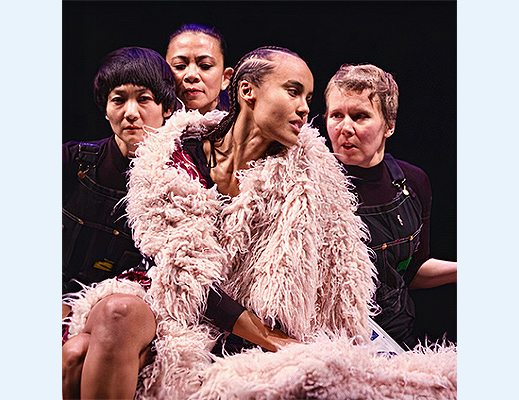
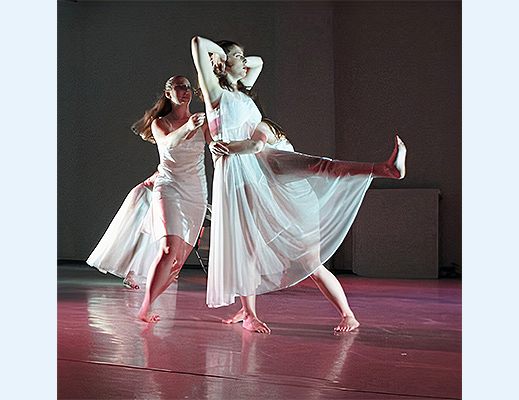
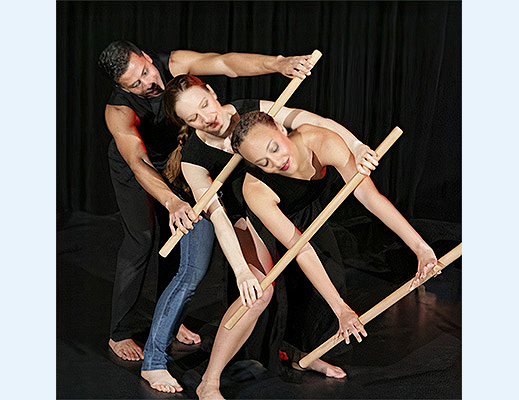
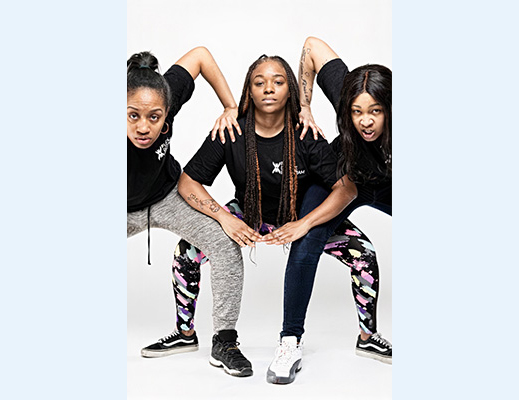
During the pandemic, Dance/NYC’s staff stepped forward to help the dance community recover. Photo credits: Dance/NYC.
DARKNESS RISING PROJECT
Darkness RISING: Live

Focus Area
Mental Health
Serving
BIPOC Communities and Formerly Incarcerated Individuals
Discipline
Music, Dance
First grant
2022
Darkness RISING Project reduces stigma and promotes mental health awareness and wellness in the Black community by fostering open conversations about mental health and increasing access to services. Through workshops, events, and partnerships with mental health professionals, educators, and Black Broadway performers with lived experience, the organization empowers and engages community members.
With support from the Illumination Fund, Darkness RISING Live brings free, culturally competent mental health resources directly to Black communities across New York City. These block parties feature concerts, dance, yoga, meditation, and more—creating joyful, healing spaces that strengthen community connections.
Darkness RISING Project provides mental health resources and referrals
DE-CRUIT
New York City Program

Focus Area
Mental Health
Serving
Veterans
Discipline
Theater
First grant
2022
New York City Program
DE-CRUIT uses theater to support the mental health and reintegration of military veterans. Founded by U.S. Army veteran Stephan Wolfert, the organization is based on the idea that while soldiers are “wired for war,” they are never systematically “DE-cruited” and unwired from it. Drawing from his own experience, Wolfert developed a unique approach that combines classical actor training with Shakespeare’s texts to help veterans process trauma and connect with the shared experiences of soldiers across time.
With support from the Illumination Fund, DE-CRUIT is expanding its New York City Program, with a focus on veterans of color, low-income veterans, and formerly incarcerated veterans at the Bronx Veterans Administration hospital.
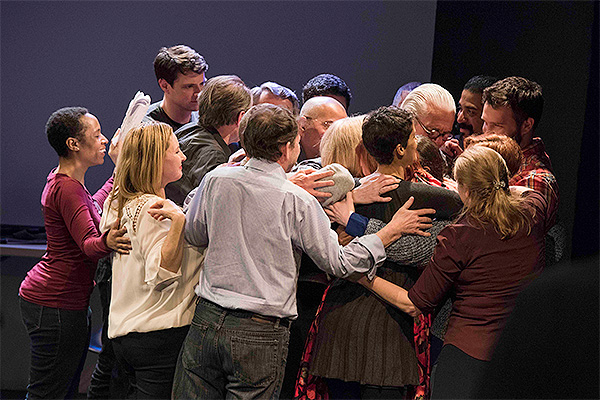
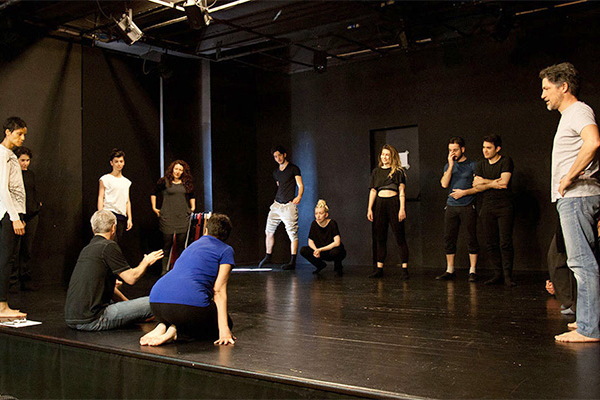
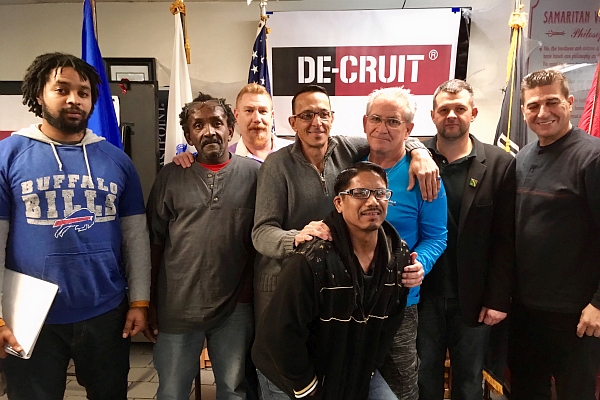
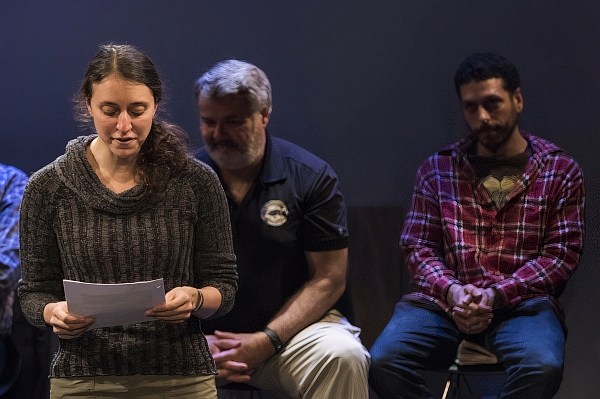
Veterans in the program construct their own personal trauma narratives which they share with others in the group. Participants report feeling less isolated and more engaged with community.
Credit: DE-CRUIT
FOUNTAIN HOUSE
Fountain House Gallery and Studio
Focus Area
Mental Health
Serving
Veterans
Discipline
Theater
First grant
2022
Fountain House creates therapeutic environments that integrate healthcare, social support, professional development, and supportive housing for adults living with serious mental illness in New York City.
With a mission to reduce isolation and foster creative expression, Fountain House Studio and Gallery supports contemporary artists living with mental illness. The Studio provides dedicated space, resources, and training in a collaborative setting, while the Gallery showcases and sells original artwork, partnering with artists, curators, and cultural institutions. By embracing artists of all backgrounds—trained and untrained, emerging and established—Fountain House challenges stigma, cultivates artistic growth, and makes a meaningful impact on the New York arts community.
Fountain House Gallery & Studio provides careers and growth of artists with mental illness
GIBNEY
Community Action

Focus Area
Mental Health, Trauma
Serving
Women, Survivors of Gender-based Violence
Discipline
Dance
First grant
2017
Gibney is a performing arts and social justice organization that harnesses movement, creativity, and performance to inspire personal transformation and drive social change. Through dance and community engagement, Gibney creates spaces for healing, empowerment, and advocacy. Addressing intimate partner violence has been a core focus of its work.
With support from the Illumination Fund, Move to Move Beyond® offers free movement-based workshops for survivors of domestic and gender-based violence. Move to Move Beyond® Storytellers raises awareness through performances and advocacy, while the youth-centered Hands are for Holding ®program to engage in conversations about healthy relationships and violence prevention.
For survivors of intimate partner violence, dance becomes a way to reconnect with and reclaim one’s own body. Credit: Gibney
ID STUDIO THEATER
Bilingual Healing Arts Initiative

Focus Area
Mental Health
Serving
Latinx community
Discipline
Theater
First grant
2022
ID Studio Theater, based in the South Bronx, is a community-driven arts organization that empowers Latinx and immigrant communities by merging artistic excellence with social justice. Through theater, storytelling, and performance, the organization provides a platform for historically underrepresented voices while fostering cultural pride, resilience, and advocacy.
With support from the Illumination Fund, the Bilingual Healing Arts Initiative uses the performing arts as a tool for healing and empowerment. In collaboration with health professionals and service organizations, the program offers workshops and performances that address trauma, mental health, and social challenges, creating a space for artistic expression, dialogue, and personal growth.

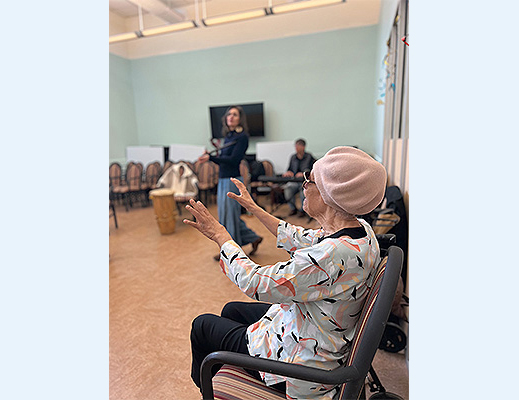
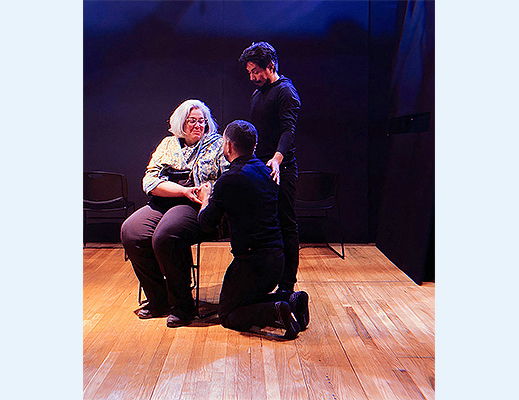
Culturally relevant arts workshops in local hospitals, health centers, schools, and senior centers foster bonds across the age spectrum. Credit: ID Studio Theater
INDIESPACE
Mental Health Micro Grants

Focus Area
Mental Health
Serving
Theater artists, including BIPOC
Discipline
Theater
First grant
2022
IndieSpace supports independent theater artists and companies across New York City by providing funding, real estate programs, professional development, and advocacy. Committed to sustaining the indie theater community, IndieSpace helps artists navigate financial and logistical challenges, ensuring they have the resources needed to create and thrive.
With support from the Illumination Fund, IndieSpace launched the Mental Health Micro Grants program to address the mental health toll of the pandemic and financial instability in the arts. These grants provide emergency financial aid for indie theater artists, covering therapy, medication, wellness retreats, and workshops. By offering critical support, IndieSpace fosters a healthier, more sustainable independent theater community.
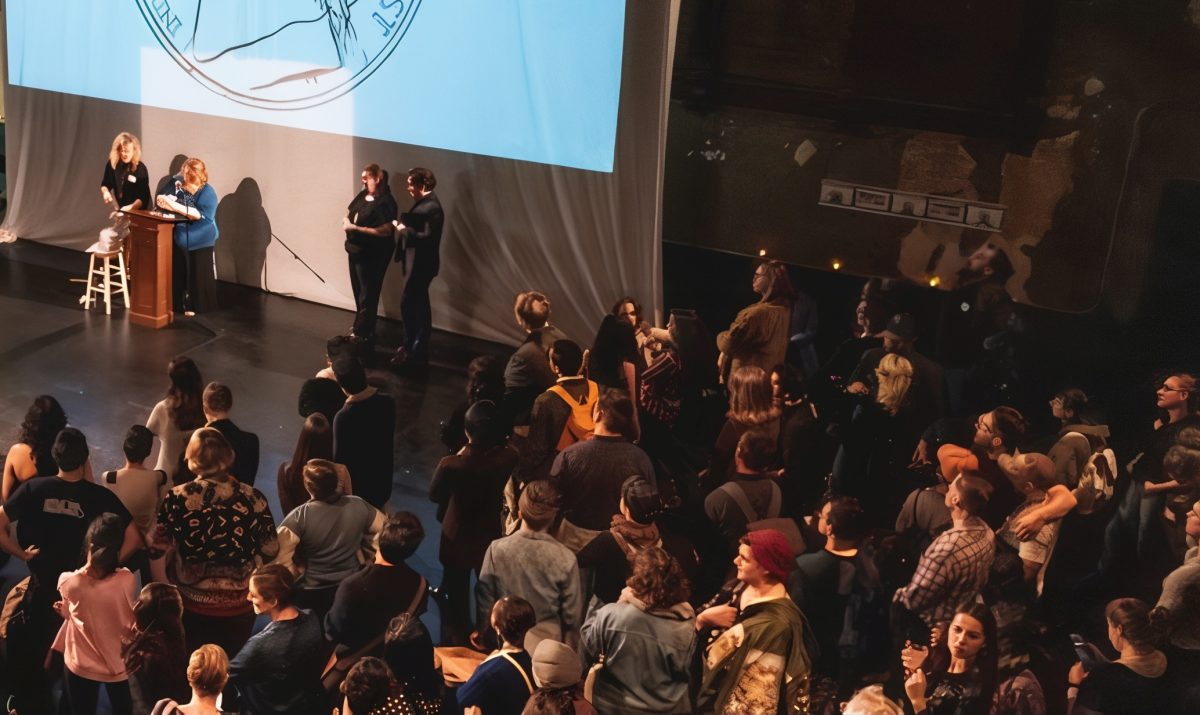
Theaters went dark during the pandemic, which created unemployment and mental health challenges. Credit: IndieSpace
KUNDIMAN
Trauma-Informed Creative Writing Workshops

Focus Area
Mental Health
Serving
Theater artists, including BIPOC
Discipline
Theater
First grant
2022
Kundiman, a national nonprofit based in the Bronx, nurtures writers and readers of Asian American literature through workshops, readings, fellowships, and community programming. By providing a space for storytelling and artistic exploration, Kundiman amplifies Asian American voices and fosters a vibrant literary community.
With support from the Illumination Fund, Kundiman integrated Trauma-Informed Creative Writing Workshops into its programs to raise awareness of mental health issues. These workshops offer a safe, supportive space for participants to process trauma through writing, using creative expression as a tool for healing and empowerment.


Image 1: Kundiman integrates a trauma-informed approach to all of its programming. Credit: Kundiman. Image 2: As a response to the pandemic and anti-Asian sentiment, Kundiman now centers mental health at its annual Asian American Writing Retreat.
MEKONG NYC
Culture and Community-Building Programs

Focus Area
Mental Health, Stigma
Serving
Southeast Asian community
Discipline
Music, Dance, Visual Art
First grant
2019
Mekong NYC uplifts Southeast Asian communities in the Bronx and New York City through organizing, movement-building, and arts-based healing. Founded to support refugees and immigrants from Vietnam, Cambodia, Laos, and Thailand, the organization provides resources, leadership development, and advocacy programs that amplify community voices.
Through traditional arts, storytelling, and creative expression, Mekong NYC fosters resilience, preserves cultural heritage, and addresses intergenerational trauma. With support from the Illumination Fund, it has expanded its arts-based programs, promoting mental health, cultural empowerment, and activism while providing a platform for Southeast Asian New Yorkers to reclaim their histories and advocate for social justice.
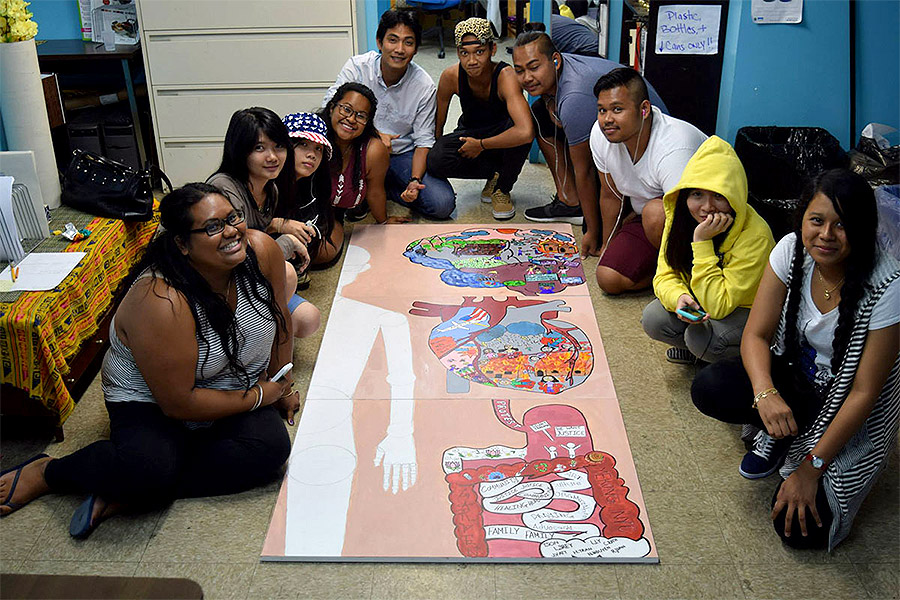
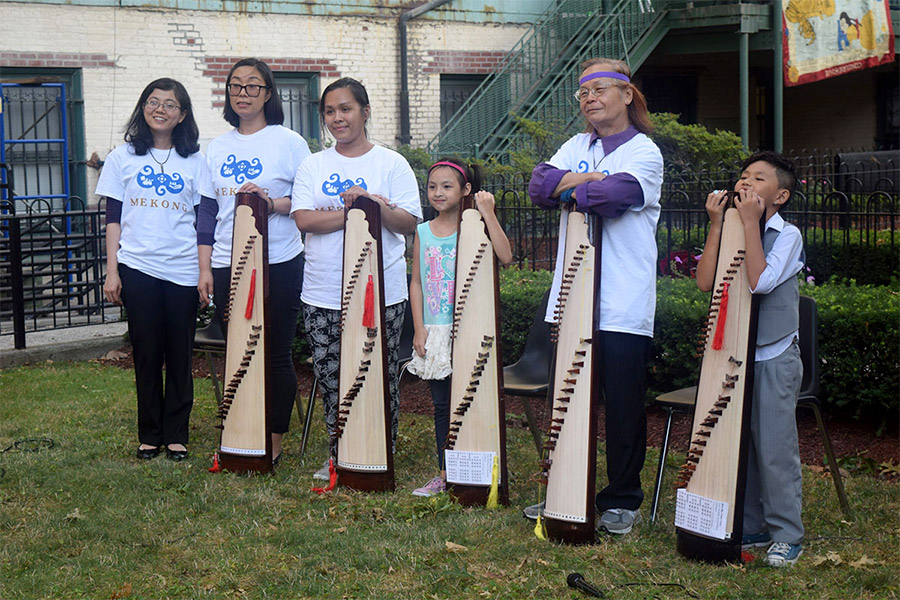
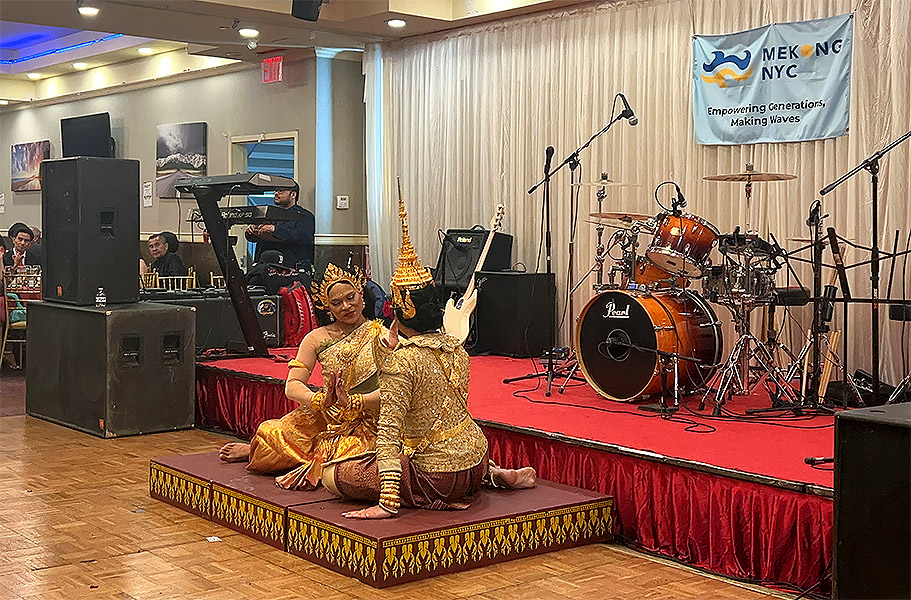
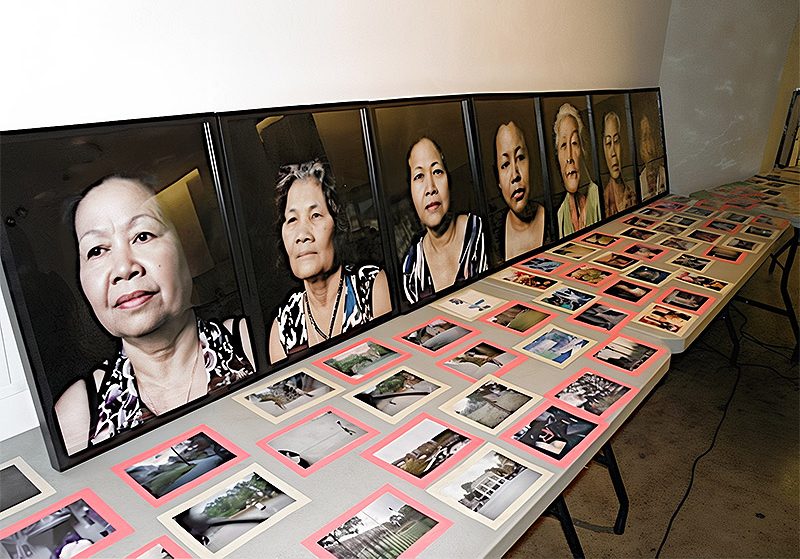
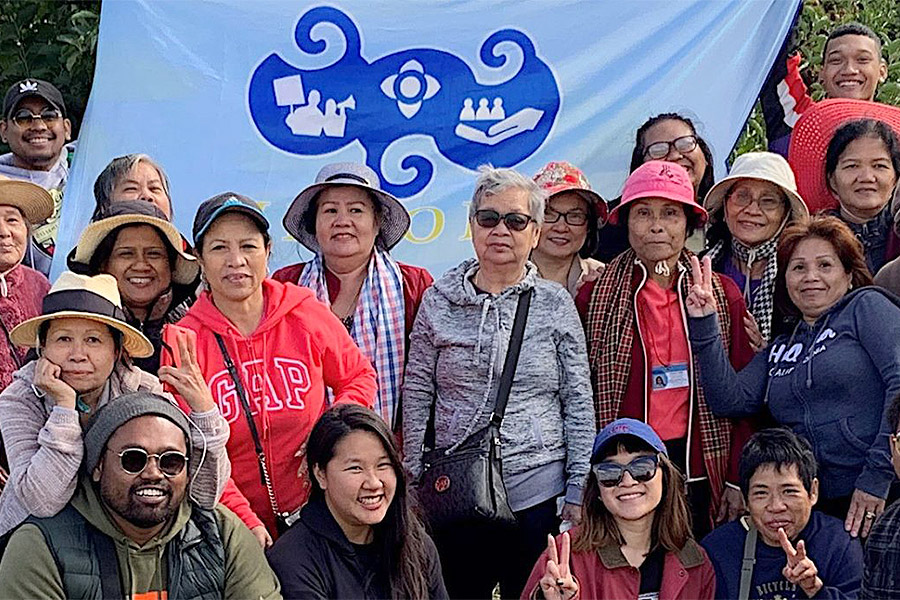
Arts programs are part of Mekong NYC’s approach to community resilience, healing, and activism. Credit: Mekong NYC
NYC DEPARTMENT OF HEALTH AND MENTAL HYGIENE
NYC Mural Arts Project
Focus Area
Mental Health, Stigma
Serving
Community members and people with mental illness
Discipline
Visual Art
First grant
2018
The NYC Mural Arts Project reduces stigma around mental illness by fostering community conversations and engagement through collaborative mural-making. Over an eight-month process, individuals with lived experience, mental health providers, peer specialists, artists, and local organizations come together to create public art that raises awareness and strengthens community resilience.
A one-year grant from the Illumination Fund supported the creation of a facilitation manual and impact evaluation tool for peer specialists and mural artists.
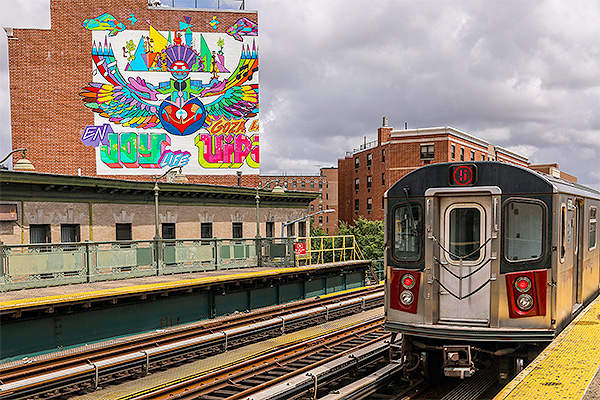
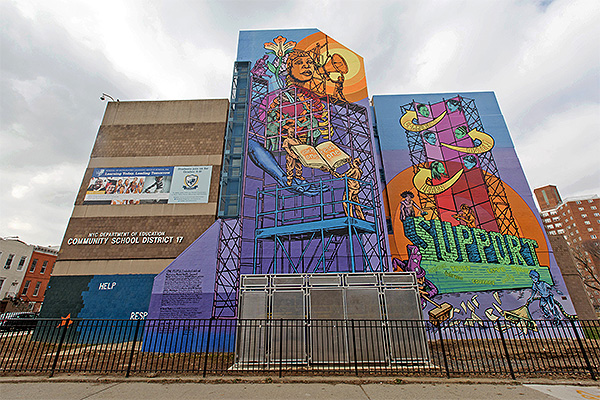
The NYC Mural Arts Project aims to reduce mental illness stigma by fostering community conversations and increasing public awareness of mental health services. Credit: NYC Department of Health and Mental Hygiene, artists Christopher Cardinale with S:US and Aaron Lazansky-Olivas aka SpazeCraft with Acacia Network
PREGONES / PUERTO RICAN TRAVELING THEATER
Abrazo/Embrace for Mental Health
Focus Area
Mental Health
Serving
Latinx community
Discipline
Theater
First grant
2022
Pregones/Puerto Rican Traveling Theater (Pregones/PRTT) is a multigenerational performing ensemble and multidisciplinary arts presenter that operates bilingual arts spaces in The Bronx and Manhattan. Dedicated to preserving and promoting Puerto Rican and Latinx cultural heritage, Pregones/PRTT creates and performs original plays and musicals, collaborates with artists, and engages diverse audiences.
With support from the Illumination Fund, Pregones/PRTT launched Abrazo: The Embrace for Mental Health, an interactive theater project designed to break down stigma, raise awareness of post-COVID mental health challenges and empower New Yorkers to seek and access available mental health services in their communities.
Pregones/Puerto Rican Traveling Theater’s Abrazo/Embrace project supports mental health in the Bronx
RECESS
Assembly Program

Focus Area
Mental Health
Serving
Court-involved young adults
Discipline
Visual art and performance art
First grant
2019
Recess collaborates with artists, youth, and writers to create transformative cultural experiences. Its flagship program, Assembly, provides system-impacted young people (ages 18-26) with access to art, mentorship from working artists, and an alternative to incarceration. Through creative expression, participants are empowered to reclaim their narratives and envision new possibilities for their future.
To further support participants and staff, Recess has integrated a comprehensive mental health program led by a licensed clinical social worker with an artistic background. This role bridges trauma-informed social justice and creative expression, offering culturally sensitive support through capacity building, group sessions, and one-on-one consultations.

Recognizing the prevalence of trauma and mental health challenges among system-impacted youth, Recess integrates comprehensive mental health support across its Assembly program. Credit: Recess Art
REDHAWK NATIVE AMERICAN ARTS COUNCIL
Healing Through Indigenous Culture and Traditions

Focus Area
Mental Health
Serving
Native American Communities
Discipline
Music
First grant
2022
Redhawk Native American Arts Council, an Indigenous-led nonprofit, preserves and promotes Native American culture through education, artistic expression, and community engagement. Since 1994, the Council has provided platforms for Native artists, dancers, and educators to share their heritage while fostering cultural pride and continuity within Indigenous communities.
With support from the Illumination Fund, Healing Through Indigenous Culture and Traditions helps Indigenous community members reconnect with traditional healing practices. Through workshops, participants create culturally significant objects such as drums, rattles, and wind instruments—tools used for healing, ceremony, and spiritual connection. These programs strengthen cultural identity, support mental health, and foster intergenerational knowledge-sharing within Native Communities.
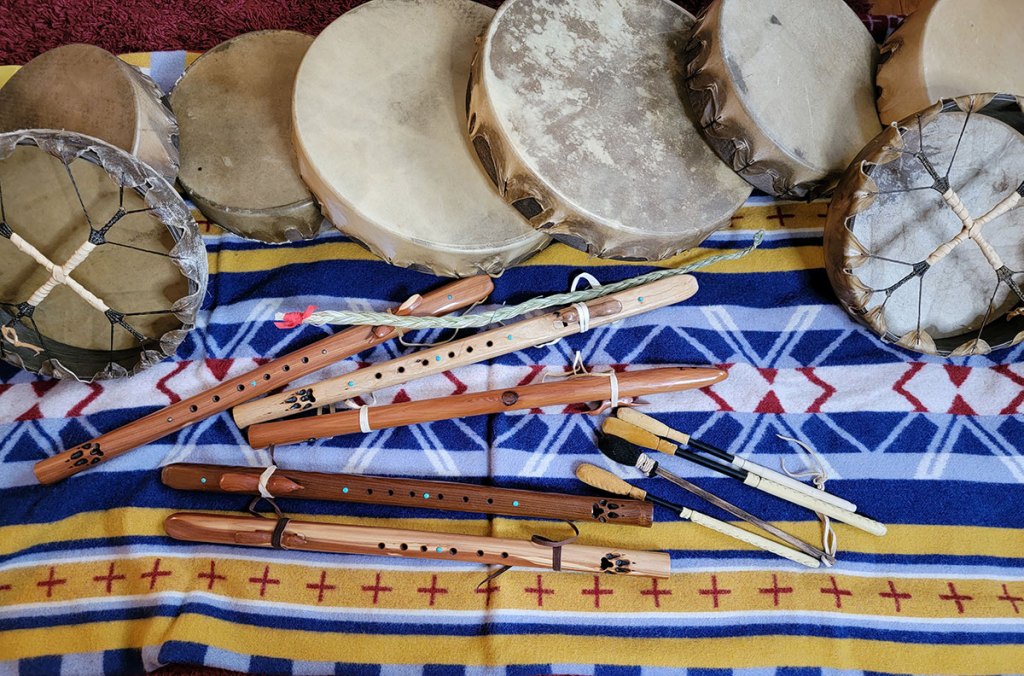
Redhawk worked with indigenous community members to create musical objects used in traditional ways to heal, including drums, rattles, and wind instruments. Credit: Redhawk Native American Arts Council
TARGET MARGIN THEATER
HERE AND NOW Community Storytelling Project

Focus Area
Mental Health
Serving
Native American Communities
Discipline
Music
First grant
2022
Target Margin Theater is an OBIE Award-winning company based in Sunset Park, Brooklyn, known for its bold, experimental approach to storytelling. Through innovative productions, community engagement, and educational programs, Target Margin amplifies underrepresented voices and uses theater as a tool for connection and social change.
In partnership with RaisingHealth, a Sunset Park-based nonprofit organization that operates public health and wellness programs across communities, Target Margin Theater developed HERE AND NOW, an interactive storytelling project designed to foster community healing and build cross-cultural solidarity, providing a forum for personal experiences to be heard and engaging community members in the creative process.
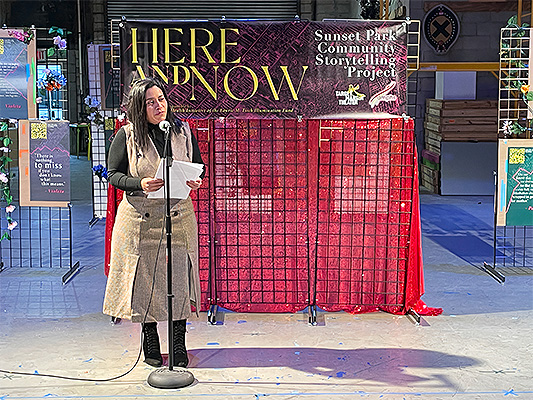


Interactive storytelling, offered in English, Mandarin, Spanish, and Arabic, fostered community healing and cross-culture solidarity. Credit: Target Margin Theater
TERRA FIRMA & DYKWTCA
(DO YOU KNOW WHERE
THE CHILDREN ARE?)
RSVP (Please Respond)

Focus Area
Mental Health, Trauma
Serving
Migrant Youth
Discipline
Visual Art, Music, Theater, Architecture
First grant
2022
Terra Firma integrates nonprofit legal services into community health centers, providing comprehensive care for newly arrived unaccompanied migrant children and families. By centralizing services, it improves access to legal, medical, and mental health support.
DYKWTCA develops programs and policies addressing migration and climate issues affecting vulnerable populations, particularly immigrant children and families. In partnership with Terra Firma, it launched RSVP (Please Respond), an arts-based program that helps unaccompanied migrant children acclimate to their new environment. Through creative expression, RSVP fosters stability and cultural connection in New York City.
The arts introduced unaccompanied minors to the cultural assets of New York City. Credit: Terra Firma & DYKWTCA
THE ART THERAPY PROJECT
Core Programs and Operations
Focus Area
Mental Health, Trauma
Serving
Migrant Youth
Discipline
Visual Art, Music, Theater, Architecture
First grant
2022
The Art Therapy Project provides free, group-based art therapy in a safe, inclusive space for individuals facing trauma and mental health challenges. Serving survivors of sexual assault, LGBTQIA+ individuals, veterans, and youth, the organization uses creative expression as a tool for healing and personal growth.
The Illumination Fund supports The Art Therapy Project’s Core Programs and Operations helping participants explore their personal journeys, build self-awareness, and improve overall well-being through art. By fostering resilience and connection, The Art Therapy Project empowers individuals to process emotions, reduce isolation, and strengthen their mental health through creative expression.
The Art Therapy Project has provided free art therapy to more than 10,000 trauma survivors in New York City. Credit: The Art Therapy Project
THEATER OF WAR PRODUCTIONS
The King Lear Project, The Suppliants Project, Theater of War Frontline, and The Nurse Antigone

Focus Area
Mental health, Trauma, Aging-related Diseases
Serving
Health Care staff, Community
Discipline
Theater
First grant
2019
Theater of War Productions collaborates with leading film, theater, and television actors to present dramatic readings of seminal plays—ranging from classical Greek tragedies to modern works. These performances are followed by town hall-style discussions that provide a space for audiences to reflect on the themes and share their perspectives. By connecting timeless stories to contemporary social issues, these discussions help break down stigma, foster empathy and compassion, and deepen public understanding of complex challenges.
Programs supported by the Illumination Fund, including The King Lear Project, The Suppliants Project, Theater of War Frontline, and The Nurse Antigone foster empathy, conversation, and community healing.
Theater of War Productions uses theater to inspire conversations about difficult issues
ViBE THEATER EXPERIENCE
Wellness Curriculum and Staff Training

Focus Area
Mental Health
Serving
Girls, Young Women, and Nonbinary Youth of Color
Discipline
Theater, Music
First grant
2022
viBe Theater Experience (viBe) is a Brooklyn-based performing arts nonprofit that empowers girls, young women, trans, and gender-expansive youth of color (ages 13-26) through free theater and music arts education, academic support, leadership training, and workforce development. Through intensive programming, viBe engages young artists in writing, directing, and performing original works based on their lived experiences, fostering self-expression and community.
With support from the Illumination Fund, viBe has expanded its wellness curriculum and staff training, integrating mental health strategies to ensure participants and teaching artists receive holistic support in a safe, nurturing creative environment.
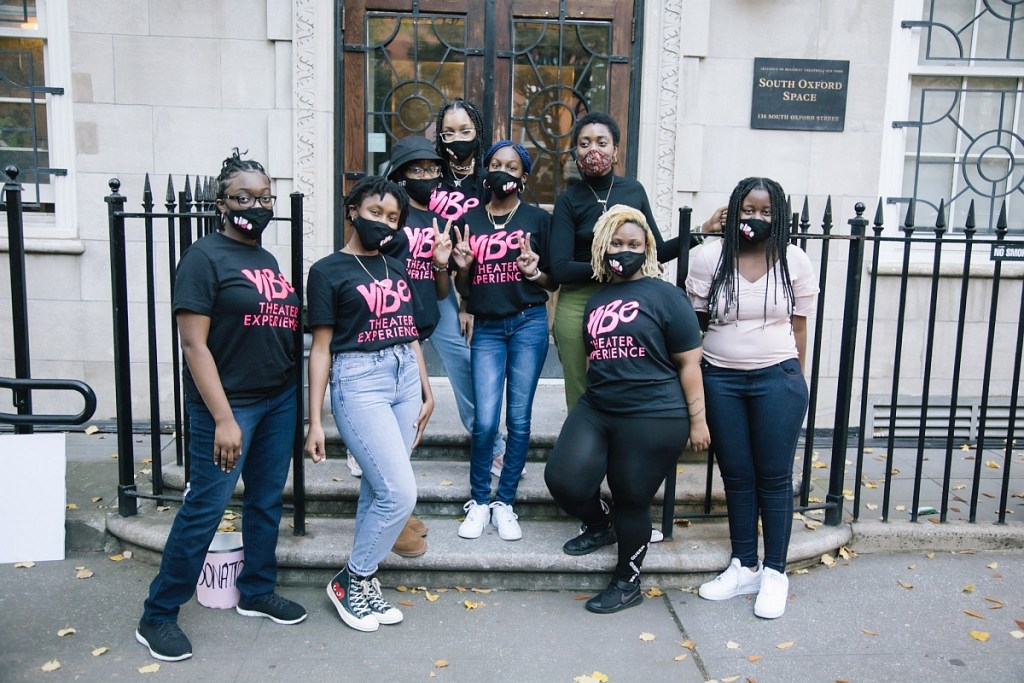
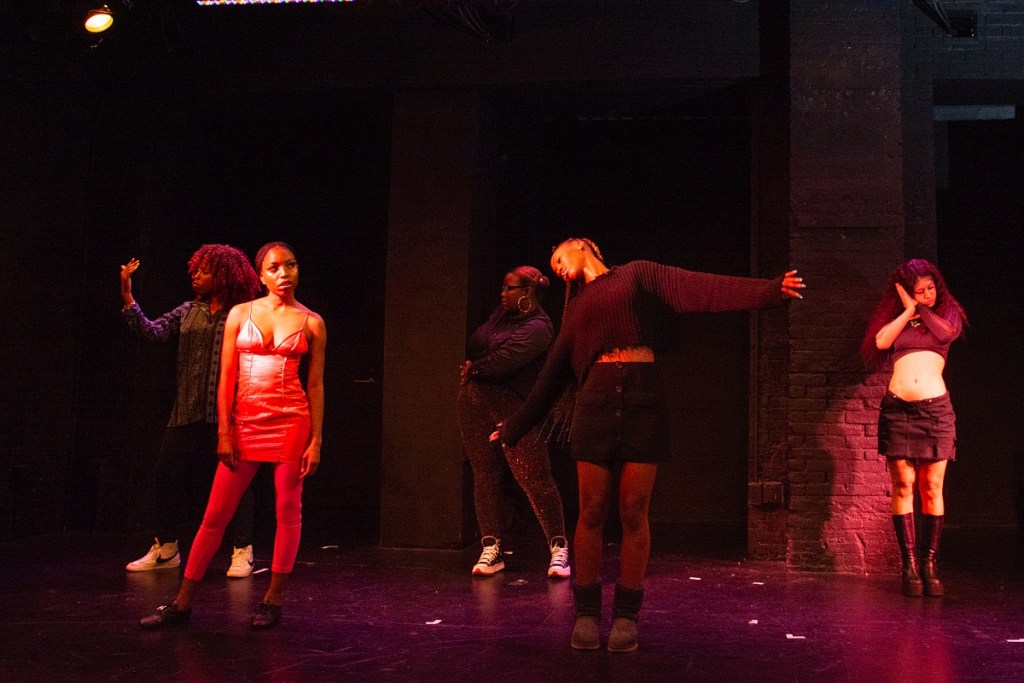
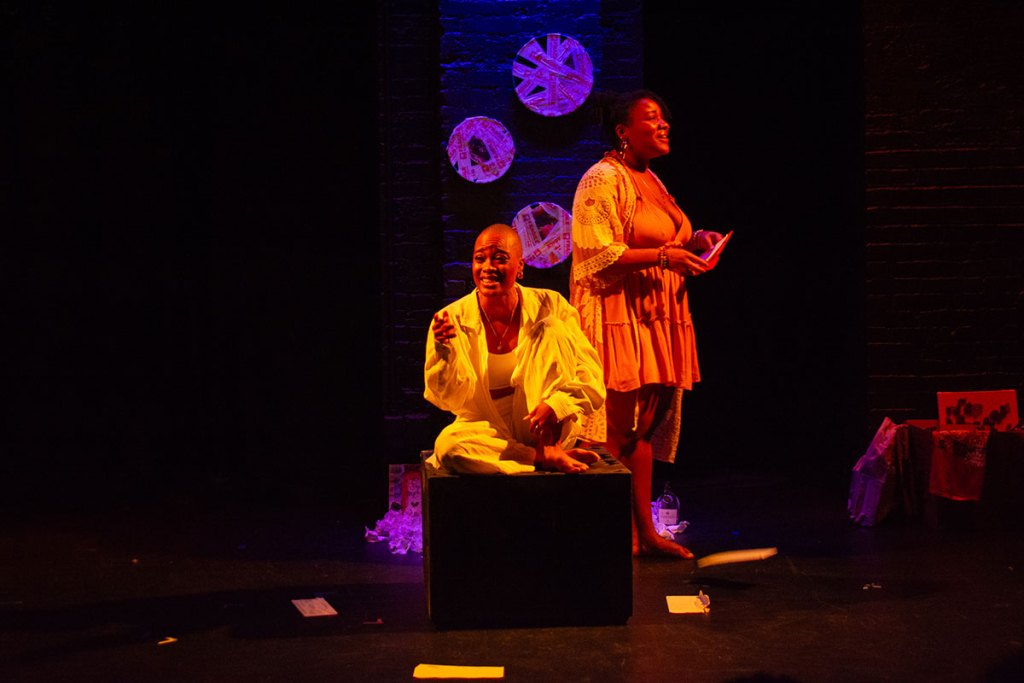
Participants devise original theater reflective of their personal experiences navigating real-life issues. Credit: viBe Theater Experience
Chapter 3:
Aging-Related Diseases
Chapter 3. The Role of the Arts in
Addressing Aging-Related Diseases
Engagement in the arts can be a critical tool to help people cope with illness and improve their outlook and quality of life. Engagement in the arts also decreases isolation and builds community not only for the person living with an illness, but for family and caregivers.
Aging-related diseases cut across social, ethnic, and economic boundaries. However, there is a wide gap in services and quality of life for aging populations in New York between those with financial resources and those without. Support from the Illumination Fund has helped organizations serve more people, build capacity within their organizations, and level the playing field.
In the national poll that the Illumination Fund commissioned, 82% believe the arts are helpful in coping with age-related diseases such as Alzheimer’s and other forms of dementia, in contrast to 18% who believe the arts are not helpful.
- Programs for adults with Alzheimer’s and their caregivers use art observation and art-making to provide positive emotional and cognitive experiences, enhance verbal and non-verbal communication, and reduce isolation
- Dance and movement classes for people with Parkinson’s disease and their care partners improve balance, cognition, motor skills, mental health, and physical confidence
- Hospital artists in residence contribute to a richer employee and patient experience and cultivate empathy and communication between patients and their healthcare providers
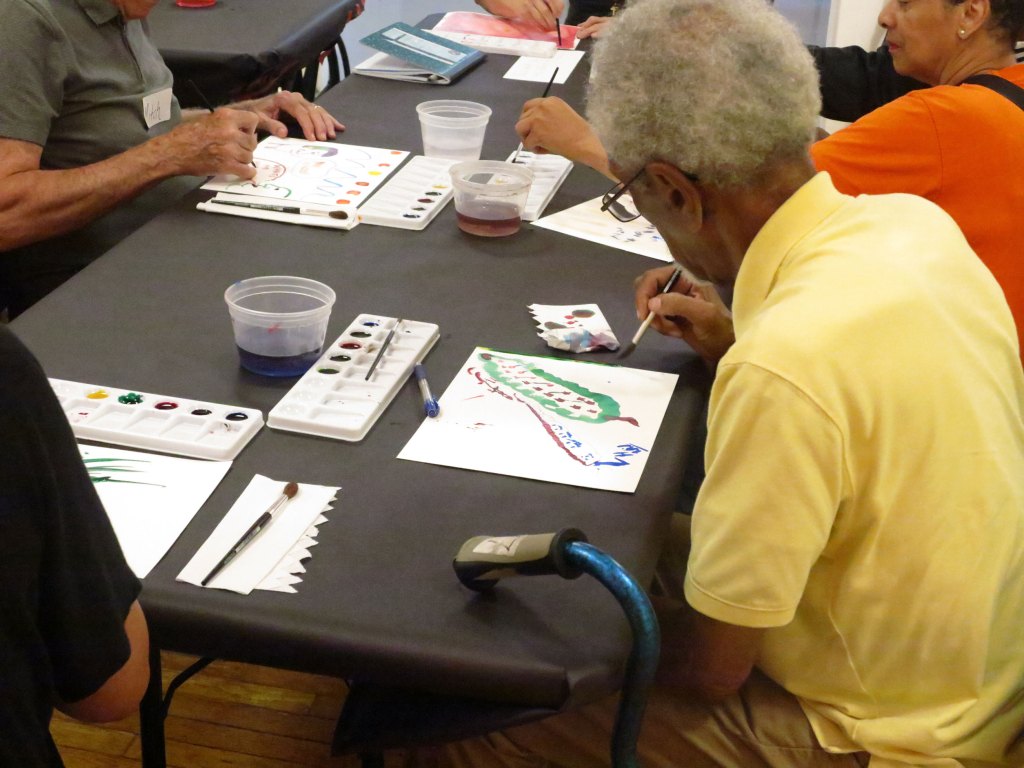
The arts can help address isolation for caregivers and patients, and provide important stimulation and activity. Credit: Arts & Minds
ARTS & MINDS
General Support

Focus Area
Aging-related Diseases
Serving
People with Alzheimer’s and other forms of dementia, along with their Caregivers
Discipline
Visual Art
First grant
2018
Arts & Minds partners with museums to provide art-centered programs that foster emotional and cognitive engagement, enhance communication, and reduce isolation for people with dementia and their caregivers. By integrating art into dementia care, the organization creates meaningful opportunities for connection and well-being.
With support from the Illumination Fund, participants visit museums to view and discuss artworks before engaging in hands-on art-making activities. These group experiences help lower stigma, ease depression, and strengthen relationships between patients and caregivers. Through creative expression in a supportive environment, Arts & Minds promotes social connection and improved quality of life for individuals living with dementia.
Arts & Minds partners with museums to serve people with dementia and their care partners
CARINGKIND
connect2culture®

Focus Area
Aging-related Diseases
Serving
People with Alzheimer’s and other forms of dementia, along with their Caregivers
Discipline
Visual Art, Music, Dance
First grant
2019
CaringKind provides education, support, and advocacy for families affected by Alzheimer’s disease, offering consultations, early-stage services, care partner education, and connections to resources.
The connect2culture® program creates and promotes non-clinical arts and cultural experiences for people living with dementia and their caregivers, bringing the healing power of creative engagement to those affected by the disease.


Image 1: Guided art observation stimulates conversation, memories, and connections. Credit: CaringKind. Image 2: Participants make personal connections with original works of art through discussion, art making, and multi-sensory activities. Credit: Jewish Museum
DANCE FOR PD®
Mark Morris Dance Group

Focus Area
Aging-related Diseases
Serving
People with Parkinson’s Disease, along with their Caregivers
Discipline
Dance
First grant
2018
Dance for PD®, a program of the Mark Morris Dance Group, offers an award-winning, research-backed approach that uses dance to support individuals with Parkinson’s disease and their families. Through movement and music, classes improve balance, cognition, motor skills, and overall well-being, breaking down stigma while fostering joy, creativity, and community.
With support from the Illumination Fund, Dance for PD® has increased partnerships and locations, specifically reaching Black, Latinx, and Asian communities across New York City. To ensure accessibility, classes are available both in person and online, with instruction now offered in multiple languages including Spanish and Mandarin.
Dance for PD® uses dance for people with Parkinson’s and their caregivers
DANCES FOR A VARIABLE POPULATION
Moving Minds

Focus Area
Aging-related Diseases
Serving
People with Parkinson’s Disease, along with their Caregivers
Discipline
Dance
First grant
2018
Dances for a Variable Population is a multigenerational dance company and educational organization that promotes movement, creativity, and social connection among older adults of all abilities, enhancing both physical and mental health.
Recognizing the increased mental health challenges brought on by the pandemic, with support from the Illumination Fund, Dances for a Variable Population expanded its Movement Speaks® program to include a dedicated mental health component, now known as Moving Minds.
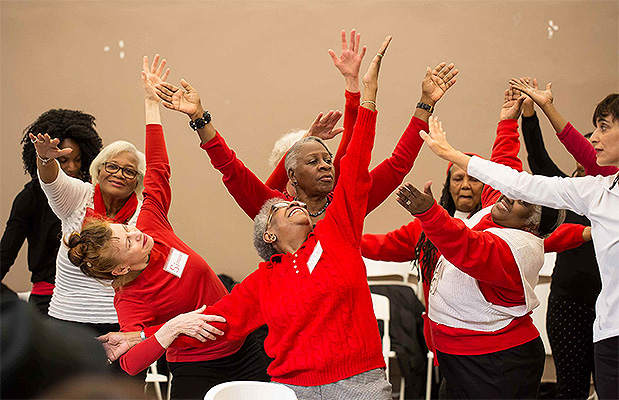
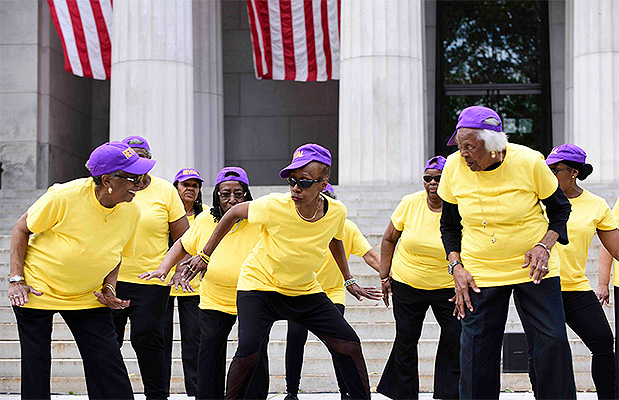
Image 1: Moving Minds incorporates a mental health and wellbeing curriculum into its dance classes. Credit: Dances For A Variable Population. Image 2: Dances For A Variable Population has served more than 5,000 seniors across 40 community sites.
QUEENS MUSEUM
ArtAccess

Focus Area
Aging-related Diseases
Serving
Older Adults, Youth, Community
Discipline
Visual Art
First grant
2019
The Queens Museum presents high-quality visual arts and educational programs for the diverse communities of New York City, with a particular focus on serving Queens’ multicultural population.
The Illumination Fund supports ArtAccess which provides inclusive arts programs for children and adults with a range of physical, emotional, behavioral, and cognitive abilities. Programs take place at the museum, in schools, online, and in special settings.

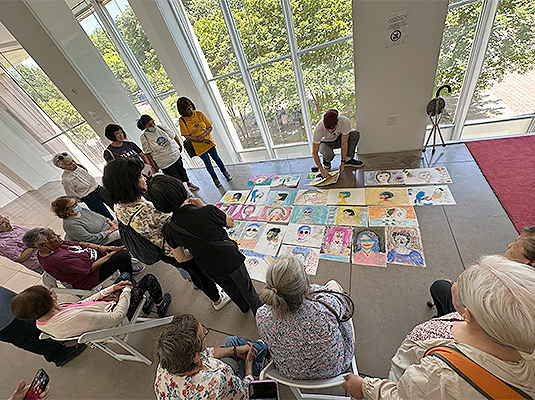
Image 1: ArtAccess programs serve children and adults with varying physical, emotional, behavioral, and cognitive abilities across NYC. Credit: Queens Museum. Image 2: The Queens Museum serves 5,500 people each year through ArtAccess. Credit: Queens Museum
THE CREATIVE CENTER AT UNIVERSITY SETTLEMENT
Hospital Artists-in-Residence, Art Workshops, Training Institute

Focus Area
Aging-related Diseases
Serving
Older Adults, Caregivers, Health Care Staff, Artists
Discipline
Visual Art
First grant
2018
The Creative Center at University Settlement integrates the arts into healthcare settings, serving and supporting patients with cancer and chronic illnesses, older adults, and healthcare professionals. Through creative engagement, the organization fosters healing, resilience, and well-being.
Programs supported by the Illumination Fund include hospital artists-in-residence, community-based art workshops, and creative aging consulting. The annual Training Institute for Arts in Healthcare and Creative Aging provides artists and administrators with intensive professional development, sharing best practices and research from national leaders in the field to expand the role of the arts in healthcare and aging.


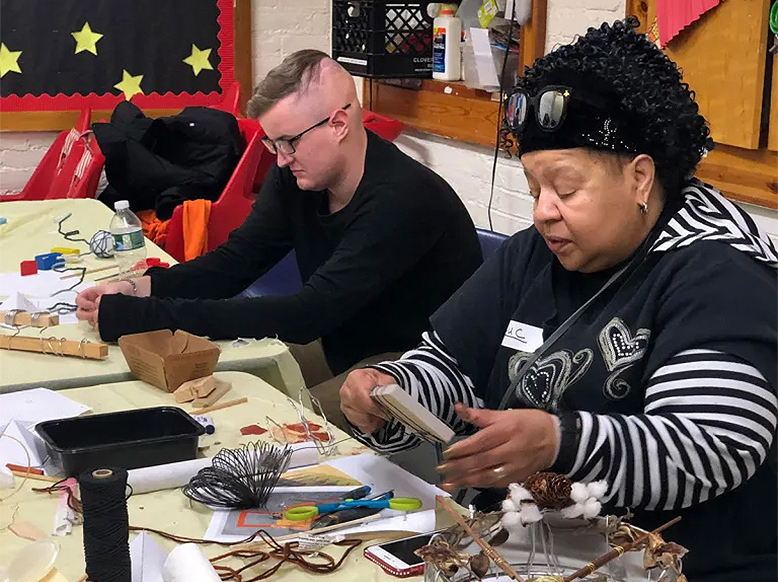
The Creative Center brings the arts to patients and survivors of cancer and other chronic illnesses, older adults across the aging spectrum, and healthcare staff and administrators. Credit: The Creative Center
Endnotes
Developing the Arts in Health initiative
1. Eddie Torres, “The Role of Arts and Culture in Health,” Grantmakers in the Arts, Accessed May 23, 2019, https://www.giarts.org/blog/eddie/role-arts-and-culture-health
2. Cara James, “NeuroArts Blueprint,” Aspen Institute, Accessed 2021, https://neuroartsblueprint.org/wp-content/uploads/2021/11/NeuroArtsBlue_ExSumReport_FinalOnline_spreads_v32.pdf
3. “Household Pulse Survey, 2020–2024. Anxiety and Depression,” National Center for Health Statistics, accessed on September 16, 2024, https://www.cdc.gov/nchs/covid19/pulse/mental-health.htm
4. “Fauci: Coronavirus Is Shining a Bright Light on Health Disparities,” C-SPAN, Accessed April 7, 2020, https://www.c-span.org/video/?c4867412/user-clip-fauci-coronavirus-is-shining-bright-light-health-disparities
5. “COVID Data Tracker,” Centers for Disease Control and Prevention, accessed September 17, 2024, https://covid.cdc.gov/covid-data-tracker/#datatracker-home
6. Anthony Fauci, “It Ain’t Over Till It’s Over…but It’s Never Over.” New England Journal of Medicine (November 26 2022), https://www.nejm.org/doi/full/10.1056/NEJMp2213814
7. Corrine Thompson, Jennifer Baumgartner, Carolina Pichardo, et al. “COVID-19 Outbreak — New York City, February 29–June 1, 2020.” Morbidity and Mortality Weekly Report 69 (2020): 1725–1729. http://dx.doi.org/10.15585/mmwr.mm6946a2
8. Lunna Lopes, Ashley Kirzinger, Grace Sparks, Mellisha Stokes, and Mollyann Brodie, “KFF/CNN Mental Health in America Survey: Findings,” Kaiser Family Foundation, effective October 05, 2022, https://www.kff.org/report-section/kff-cnn-mental-health-in-america-survey-findings/
9. Vivek Murthy, MD. Onstage conversation with Oprah Winfrey. UCLA, May 4. 2023 (retrieved September 29, 2024) https://www.uclahealth.org/news/article/oprah-winfrey-us-surgeon-general-vivek-murthy-headline-wow
10. “Behavioral Health Needs Are Largely Unmet Across the U.S.,” Pew Charitable Trusts, effective May 22, 2024, https://www.pewtrusts.org/en/research-and-analysis/data-visualizations/2024/behavioral-health-needs-are-largely-unmet-across-the-us
11. Meghan Hamwey, Christina Norman, Rachel Suss, et al, “State of Mental Health of New Yorkers,” New York City Department of Health and Mental Hygiene, effective May, 2024, https://www.nyc.gov/assets/doh/downloads/pdf/mh/state-of-mental-health-new-yorkers.pdf
12. Lunna Lopes, Ashley Kirzinger, Grace Sparks, Mellisha Stokes, and Mollyann Brodie, “KFF/CNN Mental Health in America Survey: Findings,” Kaiser Family Foundation, effective October 05, 2022, https://www.kff.org/report-section/kff-cnn-mental-health-in-america-survey-findings/
13. D. Fancourt and S. Finn, “What is the evidence on the role of the arts in improving health and well-being? A scoping review.” WHO Regional Office for Europe: Health Evidence Network Synthesis Report, no.67 (2019), https://www.who.int/europe/publications/i/item/9789289054553
14. Daisy Fancourt and Saoirse Finn, What is the evidence on the role of the arts in improving health and well-being? A scoping review (Copenhagen: WHO Regional Office for Europe, 2019), Health Evidence Network synthesis report, No. 67. 2. RESULTS, https://www.ncbi.nlm.nih.gov/books/NBK553778/
15. NeuroArts Blueprint: Advancing the Science of Arts, Health, and Wellbeing, The Aspen Institute, (November 2021), https://www.aspeninstitute.org/wp-content/uploads/2021/11/NeuroArtsBlue_Vol2_ExSumReport_v24spreads.pdf
16. NeuroArts Blueprint: Advancing the Science of Arts, Health, and Wellbeing, The Aspen Institute, (November 2021), https://www.aspeninstitute.org/wp-content/uploads/2021/11/NeuroArtsBlue_Vol2_ExSumReport_v24spreads.pdf
Rockefeller Philanthropy Advisors Insights
17. Olga Tarasov, Melissa A. Berman, and Renee Karibi-White, “Operating Archetypes: Philanthropy’s New Analytical Tool for Strategic Clarity,” 2022, https://www.rockpa.org/wp-content/uploads/2022/04/Operating-Archetypes-Philanthropys-New-Analytical-Tool-for-Strategic-Clarity-2.pdf
What Does Impact Look Like?
18. Yasemin Özümerzifon, Allison Ross, Tessa Brinza, Gina Gibney, and Carol Ewing Garber, “Exploring a Dance/Movement Program on Mental Health and Well-Being in Survivors of Intimate Partner Violence During a Pandemic.” Frontiers in Psychiatry, (May 26, 2022), https://pubmed.ncbi.nlm.nih.gov/35722545
19. Judith Bek, Aline I. Arakaki, Fleur Derbyshire-Fox, Gayathri Ganapathy, Mathew Sullivan, and Ellen Poliakoff, “More than Movement: Exploring Motor Simulation, Creativity and Function in Co-developed Dance for Parkinson’s.” Frontiers in Psychology (February 28, 2022), https://www.frontiersin.org/journals/psychology/articles/10.3389/fpsyg.2022.731264/full
20. Li-Li Wang, Cai-Jie Sun, Yan Wang, Ting-Ting Zhan, Juan Yuan, Cong-Ying Niu, Jie Yang, Shan Huang, Ling Cheng, “Effects of dance therapy on non-motor symptoms in patients with Parkinson’s disease: a systematic review and meta-analysis,” Aging Clin Exp Res, no.34 (November 2021): 1201-1208), https://link.springer.com/article/10.1007/s40520-021-02030-7
21. Elizabeth Norton, Ann Hemingway, and Caroline Ellis Hill, “The Meaning and Impact on Well-Being of Bespoke Dancing Sessions for Those Living with Parkinson’s,” International Journal of Qualitative Studies on Health and Well-being, no. 1 (December 2023): https://pubmed.ncbi.nlm.nih.gov/37559339/
Chapter 2: Mental Health
22. “NYC Vital Signs,” New York City Department of Health and Mental Hygiene (June 2015), https://home.nyc.gov/assets/doh/downloads/pdf/survey/survey-2015serious-mental-illness.pdf
23. “Prison Policy Initiative, “Mass Incarceration: The Whole Pie 2019,” Last modified March 19, 2019, https://www.prisonpolicy.org/reports/youth2019.html
24. “Kids,” National Alliance on Mental Illness (NAMI), accessed August 1, 2024, https://www.nami.org/your-journey/kids-teens-and-young-adults/kids/#:~:text=Mental%20health%20conditions%20are%20very,before%20the%20age%20of%2024
25. Vanessa Pinfold, Graham Thornicroft, Peter Huxley, Paul Farmer, “Active ingredients in anti-stigma programmes in mental health,” International Review of Psychiatry, (Summer 2009): 123-131, https://pubmed.ncbi.nlm.nih.gov/16194782/
26. “Mental Health,” U.S. Department of Veterans Affairs, accessed August 15, 2024, https://www.mentalhealth.va.gov/
27. Britt Stigler, “How Gibney Dance Studios Expanded More Than Just Their Footprint,” October 3, 2019, https://www.allarts.org/2019/10/gibney-dance-studios-expanded-more-than-just-their-footprint/
28. All Arts TV, “How Gibney Dance Studios Expanded More Than Just Their Footprint,” October 3, 2019, video, https://www.youtube.com/watch?v=10m6cD3ipgg&t=79s
29. “Intimate Partner Violence Prevention Resource for Action: A Compilation of the Best Available Evidence,” Centers for Disease Control and Prevention, 2017, accessed August 1, 2024, https://www.cdc.gov/violenceprevention/pdf/ipv-prevention-resource_508.pdf
30. Julie Wertheimer-Meier & Edward Hill, “Rates of Intimate Partner Violence Across New York City: An Intersectional Analysis,” NYC Mayor’s Office to End Domestic and Gender-Based Violence, September 2022, https://www.nyc.gov/assets/ocdv/downloads/pdf/Community-District-FA-IPV-Final-Report.pdf
31. “Domestic Violence: Recent Trends in New York,” Office of Budget and Policy Analysis of the New York State Comptroller, October 2023, accessed August 1, 2024, https://www.osc.ny.gov/files/reports/pdf/domestic-violence-recent-trends-10-23.pdf
32. Katherine M. Iverson, Ph.D., “Addressing the Stress and Trauma of Experiencing Intimate Partner Violence,” US Department of Veterans’ Affairs National Center for PTSD, accessed August 1, 2024, https://www.ptsd.va.gov/professional/treat/type/intimate_partner_violence.asp
33. “Impact Report: COVID-19 and Domestic Violence Trends,” Council on Criminal Justice National Commission on COVID-19 and Criminal Justice, accessed August 1, 2024, https://counciloncj.org/impact-report-covid-19-and-domestic-violence-trends/
34. Yasemin Özümerzifon, Allison Ross, Tessa Brinza, Gina Gibney, Carol Ewing Garber, “Exploring a Dance/Movement Program on Mental Health and Well-Being in Survivors of Intimate Partner Violence During a Pandemic,” Frontiers in Psychiatry, May 26, 2022, https://pubmed.ncbi.nlm.nih.gov/35722545/
35. “Reporting Center Data,” Stop AAPI Hate, accessed August 16, 2024, https://stopaapihate.org/explore-our-data
36. “National Latino and Asian American Study,” Mass General Research Institute, accessed August 16, 2024, https://www.massgeneral.org/mongan-institute/centers/dru/research/past/nlaas
37. “Stop AAPI Hate Mental Health Report,” Stop AAPI Hate, May 27, 2021, https://stopaapihate.org/2021/05/27/press-statement-mental-health-report/
38. “New Report: Elderly Asian Americans Report Significant Fear of Physical Assault, Stress and Anxiety,” Stop AAPI Hate, last modified May 24, 2022, https://stopaapihate.org/2022/05/24/release-elder-report-2022/
39. “Mental and Behavioral Health – Asian Americans,” U.S. Department of Health and Human Services Office of Minority Health, accessed August 30, 2024, https://minorityhealth.hhs.gov/mental-and-behavioral-health-asian-americans
40. Boreth Ly, Traces of Trauma: Cambodian Visual Culture and National Identity in the Aftermath of Genocide (University of Hawaii Press).
41. “From Innovation to Integration,” City of New York, accessed August 15, 2024, https://mentalhealth.cityofnewyork.us/integration
42. Patrick Corrigan, PsyD, “Fighting the stigma of mental illness, with Patrick Corrigan, PsyD,” interviewed by Kim Mills, Speaking of Psychology, American Psychological Association, February 2022, https://www.apa.org/news/podcasts/speaking-of-psychology/mental-illness-stigma
43. “Survey: Americans Becoming More Open About Mental Health,” American Psychological Association, last modified May, 2019, https://www.apa.org/news/press/releases/2019/05/mental-health-survey
44. “Forum Theater,” Involve UK, accessed July 31, 2024, https://www.involve.org.uk/resource/forum-theatre
45. Aaron Samuel Breslow, PhD, Sherry Simkovic, BA, Peter J. Franz, PhD, Elizabeth Cavic, EdM, MA, Qi Liu, PhD, Natalie Ramsey, MD, PhD, Jonathan E. Alpert, MD, PhD, Benjamin Le Cook, PhD, and Vilma Gabbay, MD, “Racial and Ethnic Disparities in COVID-19-Related Stressor Exposure and Adverse Mental Health Outcomes Among Health Care Workers”, The American Journal of Psychiatry, no. 12 (November 9, 2023), https://ajp.psychiatryonline.org/doi/abs/10.1176/appi.ajp.20220180
46. “Latinx/Hispanic Communities and Mental Health.” Mental Health America, accessed August 1, 2024, https://www.mhanational.org/issues/latinxhispanic-communities-and-mental-health
47. Ibid.
48. “Health of Indigenous Peoples of the Americas Living in New York City,” NYC Health, December 2021, https://www.nyc.gov/assets/doh/downloads/pdf/episrv/indigenous-peoples-health-2021.pdf
49. “Indigenous,” National Alliance on Mental Illness, accessed August 16, 2024, https://www.nami.org/your-journey/identity-and-cultural-dimensions/indigenous/
50. German Lopez and Ashley Wu, “Covid’s Toll on Native Americans,” New York Times, September 8, 2022, https://www.nytimes.com/2022/09/08/briefing/covid-death-toll-native-americans.html
51. Rhitu Chaterjee, “Hit Hard by COVID, Native Americans come together to protect families and elders,” NPR, November 24, 2021, https://www.npr.org/sections/health-shots/2021/11/24/1058675230/hit-hard-by-covid-native-americans-come-together-to-protect-families-and-elders
52. “Global Refuge calls for additional protections and support for unaccompanied migrant children,” Global Refuge, October 27, 2023, https://www.globalrefuge.org/news/lirs-calls-for-additional-protections-and-support-for-unaccompanied-migrant-children/
53. Camilo Montoya-Galvez, “Immigration Unaccompanied Migrant Children Record Numbers in U.S. Shelter System,” CBS News, October 14, 2022, https://www.cbsnews.com/news/immigration-unaccompanied-migrant-children-record-numbers-us-shelter-system/
55. Charlaine Lasse, MSN, RN, RNC-NIC, “A Chorus of Nursing Voices and the Timeless Truths of Ancient Tragedy,” Off the Charts, (April 11, 2024), https://ajnoffthecharts.com/a-chorus-of-nursing-voices-and-the-timeless-truths-of-ancient-tragedy/
56. Kimberlyn Leary, Ph.D. Mental Health and Girls of Color. The Center on Gender Justice & Opportunity at Georgetown Law, 2020. Accessed August 16, 2024, https://genderjusticeandopportunity.georgetown.edu/wp-content/uploads/2020/06/Mental-Health-and-Girls-of-Color.pdf
57. “Young Women of Color and Mental Health,” The Center for Law and Social Policy, last modified 2018, https://www.clasp.org/wp-content/uploads/2022/01/2018_mentalhealth.pdf
Chapter 3: Aging-Related Diseases
58. “What Is Dementia?” Alzheimer’s Association, accessed August 17, 2024, https://www.alz.org/alzheimers-dementia/what-is-dementia
59. “Alzheimer’s Facts and Figures,” Alzheimer’s Association, accessed August 17, 2024, https://www.alz.org/media/Documents/alzheimers-facts-and-figures.pdf
60. Jack C Lennon, Stephen L Aita, Victor A Del Bene, Tasha Rhoads, Zachary J Resch, Janelle M Eloi, Keenan A Walker, “Black and White individuals differ in dementia prevalence, risk factors, and symptomatic presentation,” Alzheimer’s and Dementia: The Journal of the Alzheimer’s Association, (Summer 2022), https://pubmed.ncbi.nlm.nih.gov/34854531/
61. ”Asian Languages in New York City,” American Asian Federation, accessed August 17, 2024, https://www.aafederation.org/research/asian-languages-in-new-york-city/
62. Ruthann Richter, “A New Rhythm Dance benefits Parkinson’s patients,” Stanford Medicine Magazine, February 17, 2017, http://stanmed.stanford.edu/dance-for-parkinsons-disease-at-the-stanford-neuroscience-health-center/
63. “Research,” Dance for Parkinson’s, accessed August 17, 2024, https://danceforparkinsons.org/resources/research/
64. “Health of Older Adults in New York City,” NYC Health, 2019, https://www.nyc.gov/assets/doh/downloads/pdf/episrv/2019-older-adult-health.pdf
65. “Silver Study Among Older New Yorkers: Summary of Findings Round 2,” icap Global Health, 2022, https://icap-aws-bucket.s3.amazonaws.com/icapcolumbiau/wp-content/uploads/SILVER-Study-Round-2.pdf
Authors and Credits
Including print, web and video
Laurie M. Tisch Illumination Fund
Laurie M. Tisch
Rick Luftglass
Kira Pritchard
Jan Rothschild
Rockefeller Philanthropy Advisors
Sanya Mirpuri
Naamah Paley Rose
Amy Holmes
Contributors
Michelle Bae
Susan Magsamen
Latanya Mapp
Interviews
Rachel Cohen, Common Threads Project
Bryan Doerries, Theater of War
Carlita Ector, Darkness RISING Project
Vesna Golic, Common Threads Project
Karen Gormandy, Fountain House
Carolyn Halpin-Healy, Arts & Minds
Victoria Hristoff, Artistic Noise
Sarah Johnson, Carnegie Hall
Mitchell Katz, NYC Health + Hospitals
David Leventhal, Mark Morris/Dance for PD®
Arnaldo López, Pregones/PRTT
Jorge Merced, Pregones/PRTT
James Noble, Arts & Minds
Yasemin Özümerzifon, Gibney
Liz Rubel, The Creative Center
Cris Scorza, Whitney Museum of American Art
Larissa Trinder, NYC Health + Hospitals
Eric Wei, NYC Health + Hospitals
Rachel Weisman, Fountain House
John Williams, Community Access
Calder Zwicky, Artistic Noise
Design and Graphics
Design: In-House International (weareinhouse.com)
Art Direction: Lope Gutierrez-Ruiz
Senior Designers: Alex Wright, Louis Charles Round
Printed at Branded Visual Solutions, Bohemia, NY
Cover: #120 Sylvamo Accent Cover
Book Block: #100 Sylvamo Accent Text
Copyediting
Nora Connor
Cover and Back Cover
Detail from Circle of Life, mural by Sophia Chizuco at NYC Health + Hospitals/Carter, 2019. Photo by Nicholas Knight
(c) 2024 Laurie M. Tisch Illumination Fund All rights reserved
Videography
Accompanying videos can be found on the Laurie M. Tisch Illumination Fund website
Richard Davis
David Schulder
Arts in Health Initiative Grantees & Links
2018 – 2024
Across all programs.
Focus Area: Mental Health
Serving: At-risk and System-impacted Youth
Discipline: Visual Art
Focus Area: Mental Health
Serving: At-risk and System-impacted Youth
Discipline: Visual Art
Focus Area: Aging-related Diseases
Serving: People with Alzheimer’s and other forms of dementia, along with their Caregivers
Discipline: Visual Art
✼ CaringKind – connect2culture®
Focus Area: Aging-related Diseases
Serving: People with Alzheimer’s and other forms of dementia, along with their Caregivers
Discipline: Visual Art, Music, Dance
Focus Area: Trauma
Serving: Refugees, Survivors of Gender-based Violence
Discipline: Textile
Focus Area: Mental Health, Stigma
Serving: Youth
Discipline: Filmmaking
✼ Dance for PD (Mark Morris Dance Group)
Focus Area: Aging-related Diseases
Serving: People with Parkinson’s Disease, along with their Caregivers
Discipline: Dance
Focus Area: Mental Health
Serving: Arts Organization Staff
Discipline: Dance
✼ Dances For A Variable Population
Focus Area: Mental Health
Serving: Older Adults
Discipline: Dance
Focus: Mental Health
Serving: BIPOC Communities and Formerly Incarcerated Individuals
Discipline: Music
✼ DE-CRUIT
Focus Area: Mental Health
Serving: Veterans
Discipline: Theater
Focus: Mental Health, Stigma
Serving: Artists with Mental Illness
Discipline: Visual Art
✼ Gibney
Focus Area: Mental Health, Trauma
Serving: Women, Survivors of Gender-based Violence
Discipline: Dance
Focus Area: Mental Health
Serving: Latinx community
Discipline: Theater
Focus Area: Mental Health
Serving: Theater artists, including BIPOC
Discipline: Theater
✼ Kundiman
Focus Area: Mental Health
Serving: Asian American writers
Discipline: Literary
Focus Area: Mental Health, Stigma
Serving: Southeast Asian community
Discipline: Music, Dance, Visual Art
✼ NYC Department of Health and Mental Hygiene
Focus Area: Mental Health, Stigma
Serving: Community members and people with mental illness
Discipline: Visual Art
Focus Area: Mental health and wellness
Serving: Health Care staff, Patients, Community
Discipline: Visual Art, Music
✼ Pregones / Puerto Rican Traveling Theater
Focus Area: Mental Health
Serving: Latinx community
Discipline: Theater
Focus Area: Aging-related Diseases
Serving: Older Adults, Youth, Community
Discipline: Visual Art
✼ Recess
Focus Area: Mental Health
Serving: Court-involved young adults
Discipline: Visual art and performance art
✼ Redhawk Native American Arts Council
Focus Area: Mental Health
Serving: Native American Communities
Discipline: Music
Focus Area: Mental Health
Serving: Asian, Arab, and Latinx Immigrant Communities
Discipline: Theater, Storytelling
Focus Area: Mental Health, Trauma
Serving: Migrant Youth
Discipline: Visual Art, Music, Theater, Architecture
Focus Area: Trauma
Serving: Veterans, Survivors of Gender-based Violence, At-risk Youth
Discipline: Visual Art
✼ The Creative Center at University Settlement
Focus Area: Aging-related Diseases
Serving: Older Adults, Caregivers, Health Care Staff, Artists
Discipline: Visual Art
Focus Area: Mental health, Trauma, Aging-related Diseases
Serving: Health Care staff, Community
Discipline: Theater
Focus Area: Mental Health
Serving: Girls, Young Women, and Nonbinary Youth of Color
Discipline: Theater, Music