You can download a PDF version of the Arts in Health report by clicking on the banner above


The Role of the Arts
in Healthcare
Progress Report
2018 – 2024
Table of Contents
Why Arts in Health? [ ↗︎ ]
by Laurie M. Tisch
Developing the Arts in Health initiative [ ↗︎ ]
by Rick Luftglass
The Power of the Arts to Build Strong Communities, Improve Health and Healing and Foster Flourishing [ ↗︎ ]
by Susan Magsamen
Rockefeller Philanthropy Advisors Insights: Trust, Innovation, and Impact [ ↗︎ ]
by Latanya Mapp
What Does Impact
Look Like? [ ↗︎ ]
by Rick Luftglass
Chapter 1:
A Pioneering Partnership
NYC Health + Hospitals [ ↗︎ ]
Chapter 2:
Mental Health
Combatting Mental Health Stigma
and Addressing Trauma [ ↗︎ ]
Art Start [ ↗︎ ]
Artistic Noise [ ↗︎ ]
Common Threads Project [ ↗︎ ]
Community Access [ ↗︎ ]
Dance / NYC [ ↗︎ ]
Darkness RISING Project [ ↗︎ ]
DE-CRUIT [ ↗︎ ]
Fountain House [ ↗︎ ]
Gibney [ ↗︎ ]
ID Studio Theater [ ↗︎ ]
IndieSpace [ ↗︎ ]
Chapter 2:
Mental Health (cont.)
Kundiman [ ↗︎ ]
Mekong NYC [ ↗︎ ]
NYC Department of Health
and Mental Hygiene [ ↗︎ ]
Pregones / Puerto Rican
Traveling Theater [ ↗︎ ]
Recess [ ↗︎ ]
Redhawk Native American Arts Council [ ↗︎ ]
Target Margin Theater [ ↗︎ ]
Terra Firma & DYKWTCA [ ↗︎ ]
The Art Therapy Project [ ↗︎ ]
Theater of War Productions [ ↗︎ ]
viBe Theater Experience [ ↗︎ ]
Why Arts in Health?
The mission of my foundation is straightforward. We aim to improve access and opportunity for all New Yorkers and foster healthy, vibrant communities. When I established my foundation in 2007 and was shaping our giving strategy, I knew that my efforts would be centered in New York given my family’s deep roots and philanthropic engagement with the City.
My family believes in doing what we can to help other people. My parents set a great example for me — from my mother’s leadership in the Gay Men’s Health Crisis to my father’s role in creating a public/private partnership to rebuild athletic fields at all of New York City’s public high schools.
In New York City, as in so many other places, zip codes and circumstances of birth can determine someone’s likelihood of a healthy life, good education, access to the arts, quality health care, good jobs, parks, and safe, clean, affordable housing. We look at philanthropy through an equity lens. I started the Illumination Fund because every New Yorker deserves access to what they need for a better life.
Decades of research have shown that the arts are a powerful tool to improve people’s lives and can play an important role in healthcare. We’re not an arts foundation, but the arts are an important part of my life. Rick Luftglass, Illumination Fund executive director, also has a deep engagement with the arts and came to the Illumination Fund from Pfizer, where he led important health philanthropy. With that experience, both of us saw firsthand how the arts can help people and improve their health and their lives overall. So, it felt natural to expand our arts funding and expand our health funding by connecting the arts and health.
Laurie M. Tisch
President
Laurie M. Tisch Illumination Fund
We brought important lessons from our ten years of food insecurity work to bear as we planned our new initiative, especially the concept of creating a cohort of grantees, convening them, and fostering partnerships and collaborations amongst them, as well as engaging in public/private partnerships to magnify and multiply the effects of our giving.
Since 2018, with an initial $10 million commitment, the programs we support are flourishing, expanding, and seeing real results in the communities they serve. The research base is growing, exciting new organizations are mobilizing the field, new programs are being developed, and there are more and more opportunities to make a difference in people’s lives and health through the arts. We decided to create this report now to provide a snapshot of the first six years of that work and its impact so far, and to inspire health organizations, arts organizations, foundations, public agencies, and philanthropists to expand the field by exploring opportunities at the intersection of the arts and health.
What role can the arts play in healthcare?
Since 2018, with an initial $10 million commitment, the programs we support are flourishing, expanding, and seeing real results in the communities they serve. The research base is growing, exciting new organizations are mobilizing the field, new programs are being developed, and there are more and more opportunities to make a difference in people’s lives and health through the arts. We decided to create this report now to provide a snapshot of the first six years of that work and its impact so far, and to inspire health organizations, arts organizations, foundations, public agencies, and philanthropists to expand the field by exploring opportunities at the intersection of the arts and health.

Youth from Artistic Noise share their creative insights, joining Project Reach Youth in Brooklyn to inspire a mural by Carla Torres
Credit: Artistic Noise
Developing
the Arts in Health
initiative
When the Illumination Fund began to plan for its Arts in Health initiative in 2017, we immersed ourselves in the issues, researched the landscape, spoke with experts, identified trends, and assessed needs, gaps, and opportunities where we could have a significant impact. And we put our findings through our lens — alignment with our mission of “increasing access and opportunity for all New Yorkers and fostering healthy and vibrant communities” — which is fundamentally about identifying disparities and promoting equity.
One of the challenges is that “Arts in Health” can mean many things. The power of the arts extends to a wide range of health and societal issues. We needed to determine our focus.
Based on our research and mission, we decided to focus on three issues where the arts could have a great impact:
- As a vehicle to combat mental health stigma
- As a resource in recovering from trauma and building resilience, and
- As a means to help improve quality of life for people with aging-related diseases, such as Alzheimer’s, other forms of dementia, and Parkinson’s disease.
We were inspired by new research and reports that identified the potential of the arts to address mental health stigma and trauma, and moved by personal experiences. Scrape the surface, and everyone has a story — whether it’s about experiencing mental health challenges and being reluctant to seek help, or having friends and family suffering from mental illness, or seeing our parents age and experience memory loss.
And yet many of us have stories of hope, and some illustrate a role for the arts — when a parent remembered the lyrics of songs from their youth or when a friend struggling with depression found inspiration through art-making.
Prior to launching the Arts in Health initiative, we commissioned a nationally representative Harris Poll on public perceptions of the role of the arts as it relates to mental health and aging-related diseases. The poll found that more than 8 in 10 Americans believe the arts can help address key health challenges in their lives and in the lives of their loved ones.

“Grantmakers in the Arts believes that arts and culture deserve public and philanthropic support because they have both intrinsic value and social value. […] The social value of the arts includes the benefits of arts participation for our health, which are well-documented.”1
Eddie Torres,
President and CEO
Grantmakers in the Arts
- 81% believe the arts are helpful in overcoming the stigma or shame associated with mental illness.
- 87% believe the arts are helpful in recovering from a traumatic event, such as abuse, a serious accident or injury, or violence.
- 82% believe the arts are helpful in coping with aging-related diseases such as Alzheimer’s and dementia.
We were also struck — but perhaps not surprised—that Americans who are closer to the issue of mental illness feel even more strongly about those benefits. For example, of the respondents who have an immediate family member who has been diagnosed with a mental illness, 97% believe that the arts can make people feel better emotionally, when compared with those Americans who have no close experience with mental illness (89%).
Rick Luftglass
Executive Director
Laurie M. Tisch Illumination Fund
Launching Arts in Health
The Arts in Health initiative was designed to catalyze the use of the arts to address these and other health issues. Our goal is to help organizations that are doing important work to increase their ability to reach more people, advance their strategies, and build awareness of the role the arts can play in healing.
In 2018-2019, we supported about 15 organizations spanning the areas of mental health stigma, trauma, and aging-related diseases. We did not limit ourselves to particular artistic disciplines; we saw that visual art, theater, dance, filmmaking, music, and other disciplines have distinct benefits.
The types of grantees also varied widely. Some were arts organizations while others were social service, advocacy, and mental health service providers. Most were community-based nonprofits, and two were public agencies, including NYC Health + Hospitals, the largest municipal health system in the country. We prioritized communities and populations with health disparities and those disproportionately affected by issues of mental health stigma, trauma, and aging-related diseases.
During those first two years, we saw our grantees flourish. Our up-front plan was paying off.
But of course, when COVID hit in 2020, we learned that even the best-laid plans can’t anticipate some scenarios. There’s a Yiddish saying — “Man plans, God laughs.”
“We see evidence that communities that engage residents and have a high degree of social cohesion tend to be healthier than those who do not. Arts are part of the narrative of what makes a strong and healthy community.”2
Cara James, Ph.D.,
President and CEO
Grantmakers in Health
The Pandemic
Impact of the
COVID-19 Pandemic
The pandemic brought unimaginable levels of hospitalizations and deaths and ravaged families and communities, and it significantly intensified the issues that the Arts in Health initiative focuses on, particularly mental health and aging-related diseases. Depression, anxiety, and trauma levels surged, especially among vulnerable populations. New York was the epicenter, and caregivers and healthcare workers faced severe stress and burnout.
By November 2020, more than 42% of adults in the US reported experiencing anxiety or depression — three to four times higher than pre-pandemic levels, with women and young adults particularly affected. The pandemic also exposed and worsened existing health disparities, disproportionately impacting Black, Latinx, and low-income populations. [LINK]
As Laurie Tisch notes in her foreword, zip codes reflect profound disparities in health, education, and income. In the pandemic’s first wave, people living in the poorest neighborhoods had hospitalization and death rates that were twice as high as those in more affluent neighborhoods. These differences were driven by income, race, ethnicity, unemployment, population of essential workers, food insecurity, and pre-existing health conditions, among other factors.
Disproportionate Impact
of Mental Health Issues
In a press conference at the White House, Dr. Anthony Fauci, the director of the National Institute of Allergy and Infectious Diseases, explained that disparities in communities of color were “laid bare” by the pandemic. But the unequal mental health burden, especially among marginalized communities, received less attention.
Data demonstrated that mental health issues were surging among racial and ethnic minorities, as well as mothers stuck at home, people with financial or housing insecurity, people with disabilities, and young adults. Native American communities and LGBTQ+ youth also faced heightened mental health challenges, with barriers to accessing care worsening the situation. Women and girls reported higher rates of anxiety and depression, and healthcare workers experienced burnout and compassion fatigue at unprecedented levels, with many hesitant to seek help due to stigma. Survivors of domestic violence, people with substance use disorders, those exposed to the carceral system, and individuals with aging-related diseases were also at increased risk. [LINK]
The Illumination Fund’s
Response to the Pandemic
The Illumination Fund responded with multiple strategies to provide assistance during the peak of the pandemic. We were among the founding partners in the NYC COVID Response and Impact Fund, which distributed more than $100 million in grants and loans to nearly 800 nonprofits, and we supported other multi-funder collaboratives. We also provided emergency grants to longstanding partners, and as our Arts in Health grantees struggled to pivot to this new reality, we provided additional support to help them adapt, including funds for technology to help them move programs online.
And we increased our support for mental health to address the disproportionate impact on marginalized communities, launching a new Arts & Mental Health initiative that our former program officer Michelle Bae describes here in a separate essay.
In response to the profound effects of the pandemic on marginalized communities, in June 2021 the Illumination Fund issued its first-ever Open Call Request for Proposals (RFP) to expand the Arts in Health initiative with a dedicated focus on mental health. The RFP aimed to support NYC-based arts organizations working with marginalized communities, raise awareness of mental health through the arts, and assist small to mid-sized organizations with budgets between $50,000 and $5 million.
Understanding the time and financial constraints of small organizations, we streamlined the RFP process, starting with a simple Letter of Inquiry (LOI). We received 120 submissions and chose 14 organizations with strong track records serving specific populations in strategic, structured and realistic ways. The organizations deploy diverse strategies to address mental health including: developing music, dance, and theater-based programs with targeted mental health facets; embedding mental health
professionals in organizations for staff and clients; developing performances to destigmatize mental health; and providing staff training in trauma-informed practices.
All grantees selected were deeply rooted in communities disproportionately affected by the pandemic and had strong partnerships with mental health professionals, including therapists, psychiatrists, social workers, and others with expertise in the communities being served.
We saw immediate and lasting impact from these grants. Although the organizations were new to our grantee cohort, they quickly became part of the group and brought additional insight and expertise to the table. Their work not only validated the power of targeted support but also strengthened the fabric of our Arts in Health community. These 14 organizations significantly expanded the network of collaboration and innovation, ensuring that the impact of this work will continue to resonate across the city for years to come.

Michelle Bae,
former Program Officer
Laurie M. Tisch
Illumination Fund
Post-Pandemic
On May 11, 2023, the White House declared the public health emergency over, but despite the official end to the pandemic, COVID remains a significant health risk, with 26,000 US deaths in the first half of 2024. [LINK] Dr. Fauci wrote that “it ain’t over ‘til it’s over,” [LINK] and though many have shown resilience, the effects persist. Depression and anxiety rates in 2024 are still double pre-pandemic levels.
It’s worth recognizing some positive changes:
- During COVID, the number of Americans receiving mental health care increased significantly.
- The rapid growth of telehealth contributed toward an increase in use of mental health services and treatment.
- There is some indication that mental health stigma may have been reduced because so many people had personal experiences of mental distress, and it became easier to talk about.
We also saw more funders recognize the imperative to embed mental health strategies into their programs. For example, more arts funders recognized the need to address mental health, and more health funders saw that the arts can play a role in their work.
The Illumination Fund’s grantees that have been focusing on mental health are not seeing demand let up, but the programs that we supported during the crisis have stabilized and evolved.
Importantly, as in-person programs resumed, our grantees have continued to offer virtual options, reflecting a commitment to accessibility. Few would have used the word “hybrid” before the pandemic, but now it is part of everyone’s vocabulary.
Today, our Arts in Health cohort includes around 30 grantees. Their work is more important than ever. They are serving those most affected by the pandemic and reaching more people. [LINK]
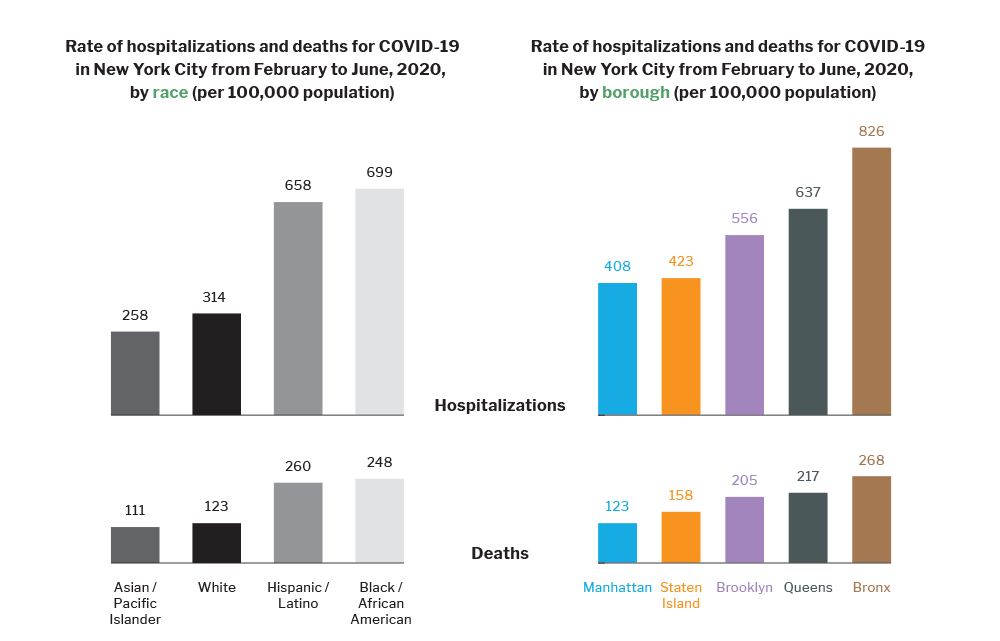
COVID-19 Disparities
COVID-19 Disparities
The pandemic disproportionately impacted communities of color and neighborhoods with higher rates of lower-income people7
Looking Ahead
Looking Ahead
As we move forward, it’s crucial to recognize both progress and ongoing challenges. While some issues exceed the scope of philanthropy, we remain part of the broader solution.
A 2022 CNN/Kaiser Family Foundation (KFF) poll revealed that 90% of Americans believe there is a mental health crisis, with concerns over the opioid epidemic, youth mental health, and severe mental illness. Issues like drug overdoses, suicides, and gun violence have worsened. [LINK]
US Surgeon General Vivek Murthy, MD has said that “mental health is the defining public health crisis of our time.” [LINK] Despite increased mental health services, unmet needs remain, especially among marginalized groups. A 2022 Pew survey found that 56% of whites who needed mental health treatment received it, compared to only 40% of Latinx people, 38% of Blacks, and 36% of Asian Americans. [LINK]
In New York City, while mental health resources are more available than in many areas, unmet needs persist. According to the NYC Department of Health, 34% of adults with a diagnosis report not receiving adequate or timely care, often due to cost or stigma. [LINK]
It’s easy to distance ourselves from statistics, but for many, these crises are deeply personal — about half of respondents in the CNN/KFF survey reported a serious mental health crisis within their family. Mental illness affects us all. It’s not just someone else’s problem. [LINK]
As we continue our work, we remain committed to supporting the populations most affected and ensuring that the arts play a role in healing and resilience.
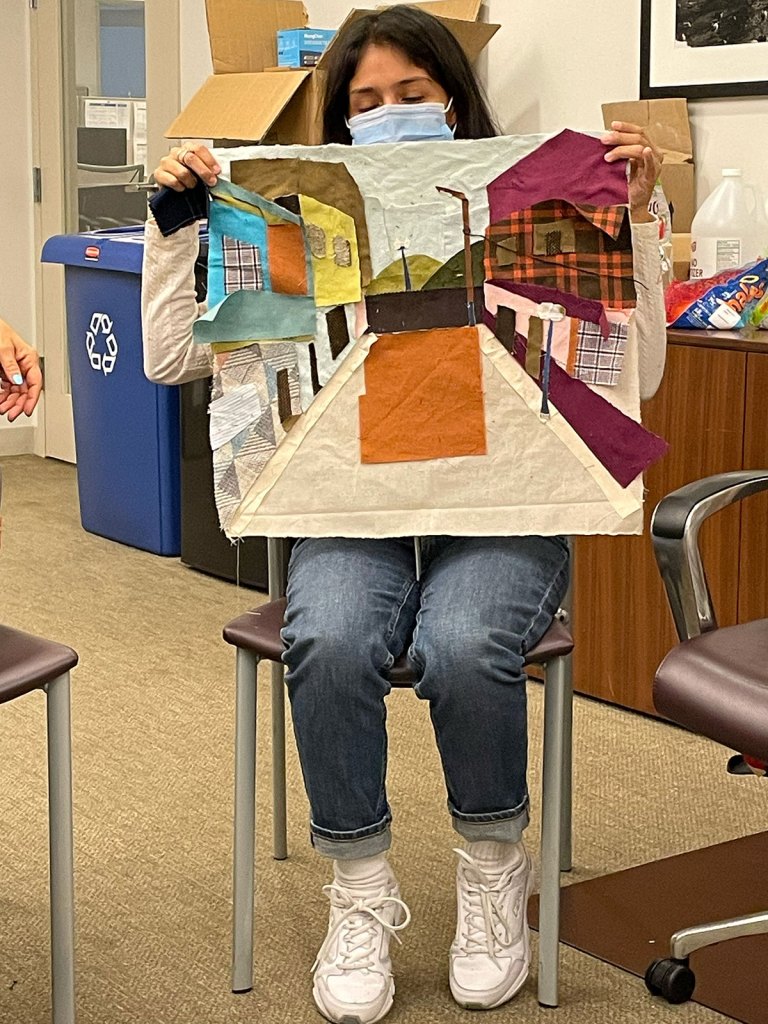
Through the creation of story cloths, women reclaim their agency and move past their trauma.
Credit: Common Threads Project
What can the arts do?
What can the arts do?
A scoping review, What is the evidence on the role of the arts in improving health and well-being? [LINK], published by the World Health Organization’s (WHO) Regional Office for Europe, identified 3,700 studies indicating that the arts can potentially impact both mental and physical health. [LINK]
The Illumination Fund’s Arts in Health initiative addresses several key areas in the review, including:
- Enhancing mental health and well-being
- Helping people who are experiencing mental illness
- Supporting well-being and engagement of people with neurodegenerative disorders, including Parkinson’s and Alzheimer’s Disease
- Reducing the impact of trauma
- Reducing health-related stigma
- Supporting caregiving by improving clinical skills and the well-being of formal and informal caregivers
- Engaging marginalized communities and populations using culturally appropriate strategies
The arts are not a panacea and are not a substitute for essential mental health services, but research has demonstrated that they can be an effective tool as an entry point to address many mental health issues, particularly stigma and trauma. And many people will not seek formal mental health services and may not step into a therapist’s office. There need to be other ways to reach people who are struggling.
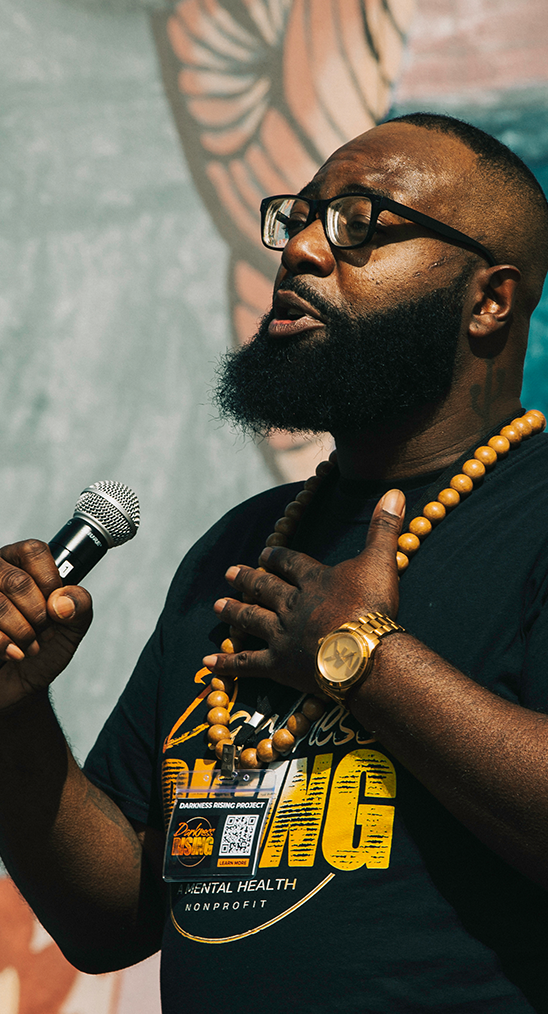
Culturally competent care, especially for BIPOC communities, dramatically reduces the stigma often associated with accessing mental health care.
Credit: Darkness RISING Project
A National and Global Movement for Arts in Health
A National and Global Movement for Arts in Health
The field of arts in health has been around for decades but has never before had the momentum that we see today. Programs are flourishing, and research is showing additional evidence of success.
During the pandemic, people all over the world experienced the importance of the arts. There was a massive growth of arts activities as people were isolated, and the arts became a means to connect and build community with others who have shared experiences and interests.
As the world emerges from the shadows of the pandemic, it has become undeniable that the arts are not just a luxury but a lifeline to our well-being. With an
A National and Global Movement for Arts in Health
ever-growing body of evidence and a network of pioneering organizations leading the charge, it’s clear that integrating the arts into health and wellness is not merely a trend but a vital evolution.
We created this report to show how the grantees in the Arts in Health initiative are impacting lives and changing the field, and to inspire fellow funders, nonprofits, and philanthropists to join us in championing the essential fusion of art and medicine. Together, we can forge new pathways to enhance lives, foster deeper connections, and build a healthier, more vibrant future.
A Roadmap for the Future
As we look to the future, the Illumination Fund remains committed to deepening its engagement and expanding impact within the arts in health community in New York. Building on the success of the initiative over the first six years, based on lessons learned, we aim to amplify the transformative power of the arts in healthcare through several key strategic directions:
1. Scaling Successful Programs and Fostering Creativity: While the initiative has helped to expand access to the arts to address key health issues, the need for services is even greater today. We will foster innovation in the field of arts in health as well as help organizations with proven programs expand services to touch more lives and promote health across diverse populations.
2. Innovative Partnerships: Partnerships are critical for sustaining and enhancing impact in the field. We will help our grantees create collaborations with healthcare providers, arts organizations, community-based organizations, government agencies, and academic institutions to develop innovative projects at the intersection of arts and health. These partnerships help pilot new approaches and broaden the scope of issues being addressed through the arts.
3. Research and Evaluation: To better understand and communicate the impact of the arts in healthcare, we will invest in robust research and evaluation of grantee programs and models. By helping our grantees partner with leading research institutions, we gather empirical data on the health benefits of arts integration into healthcare. This evidence not only informs the work of the grantees and their partners, but also helps us refine our strategies and provides evidence for the broader adoption of arts in health practices.
Together with arts organizations, healthcare organizations and other philanthropists and foundations, we can create a future where the arts are an integral part of healthcare, enriching lives and transforming communities.
4. Building Awareness: Increasing awareness of the importance of arts in health is essential for long-term sustainability. By sharing success stories and best practices, we inspire other organizations and stakeholders to embrace the arts as a vital component of healthcare.
5. Community-Centered Approaches: Ensuring that the programs we support are inclusive and culturally sensitive is a priority. We encourage grantees and community members to create programs that reflect their community’s needs and preferences. This grassroots approach helps build trust and fosters a sense of ownership among participants.
6. Sustainability and Capacity Building: To ensure the longevity of our efforts, we will focus on sustainability, professional development, staff support, and capacity building within the organizations we support. We learned during COVID that burnout among nonprofit staff is a serious issue and one that the arts can help address. In addition, providing training and resources to healthcare providers, administrators, and artists empowers them to continue delivering high-quality, arts-based health interventions independently.
The Laurie M. Tisch Illumination Fund’s Arts in Health initiative is poised to make even greater strides in the coming years. By increasing investments in successful programs, and research; fostering innovative partnerships; embracing community-centered approaches; helping to grow the field of the arts in healthcare; and building sustainability through staff development and capacity building, we are committed to enhancing health and well-being through the power of the arts. Together with arts organizations, healthcare organizations and other philanthropists and foundations, we can create a future where the arts are an integral part of healthcare, enriching lives and transforming communities.
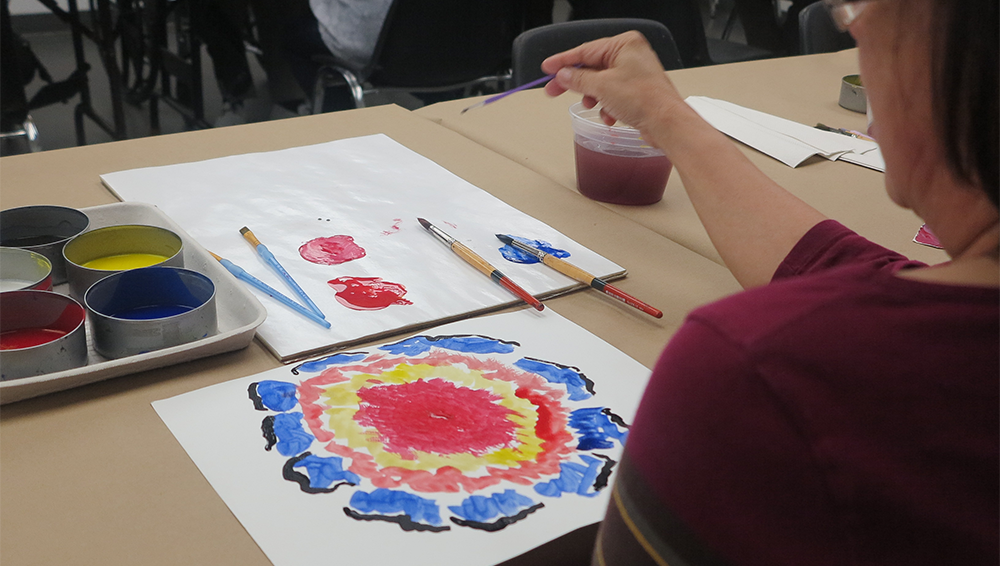
82% of Americans surveyed agree that the arts are helpful in coping with aging-related diseases.
Credit: Arts & Minds
The Power of the Arts to Build Strong Communities, Improve Health and Healing, and Foster Flourishing
Today, we stand on the verge of a cultural shift in which the arts can deliver potent, accessible, and proven health and well-being solutions to billions of people. The ability to experience the arts and aesthetic experiences is among the defining characteristics of being human. We take in the world through our senses; smell, sound, taste, touch, and vision are powerful pathways into the brain. Science is now proving what artists have known for millennia — our brains and bodies are wired for art.
Allied with the growing research base, a vast number of arts practitioners are drawing on an arsenal of modalities to advance health and well-being. Validated by a combination of professional experiences and quantitative and qualitative evidence, practitioners are using arts interventions to improve mobility, memory, and speech; relieve pain and the after-effects of trauma; ease the course of chronic and degenerative diseases; enhance learning outcomes; build resilience; lessen the stigma associated with mental health disorders; and address other challenges that sometimes seem intractable. [LINK]
Beyond their capacity to lessen the toll of discrete medical conditions, the arts are playing a somewhat less easily measured — but no less crucial — role in advancing well-being, fostering social cohesion, and forging the more equitable, resilient, and economically viable communities that can grow and sustain health. [LINK] By showcasing and supporting coherent, culturally distinct communities, the arts provide ingredients that are vital for collective health.
While these findings are helping to shape new approaches in healthcare, education and public health, Laurie Tisch and Rick Luftglass at the Laurie M. Tisch Illumination Fund were already ahead of the science. In 2018, the Illumination Fund launched its Arts in Health initiative, providing a point of intersection for multiple fields that are perhaps not accustomed to working together. The idea of community is central to Arts in Health, and the initiative supports organizations that are focused on health and wellness issues and that use the arts as a tool and resource, with the hope and intention of building opportunities for underserved communities and addressing disparities.

Susan Magsamen
Founder and Executive Director
International Arts + Mind Lab
Johns Hopkins University School of Medicine
Read More
The Arts in Health initiative is impactful on several levels. It allows the grantees to leverage their intrinsic and embedded knowledge of the arts to address challenges specific to their populations. It provides the resources for grantees to build and sustain practices that will enhance the health and well-being of participants. And, it has built a coalition of groups that will have a significant and positive impact on the New York City community as a whole.
I was invited to join a Zoom-based meeting of the grantees during the COVID-19 pandemic and an in-person convening at Harlem Hospital in 2023. It was a real honor, and I was profoundly moved to hear the grantees’ stories and learn more about their programs and efforts. I watched as they shared their successes and challenges at a proverbial watering hole of information and also gathered ideas to enhance their programs going forward. The grantees, convened in this way, make essential linkages with one another and may, through those connections, be able to grow their own programs in ways not possible before. And, collectively, they can better understand and appreciate the meaningful difference in the lives of New Yorkers.
In a culture that prizes statistics so highly, the Arts in Health initiative shows that there are numerous ways to define value, validate strategies, and demonstrate success. While several grantees provide quantitative measures, others choose to show qualitatively how their programs are working. At the 2023 convening, I presented a model that I consider when defining and assessing impact: “multiple ways of knowing.” While randomized controlled trials and other quantitative approaches help to translate information to certain audiences, they are not the only way to establish evidence. Storytelling, narratives, and other qualitative approaches are other ways of knowing that can broaden the body of knowledge. The Illumination Fund has the wisdom to know that one size does not fit all; it values diversity and differences. The Arts in Health initiative is creating new and important definitions for what success looks like. This is imperative for the funding and research community to understand and embrace.
The Illumination Fund’s Arts in Health initiative is part of a global movement that is bringing together artists, researchers, and other stakeholders to make the arts and aesthetic experiences part of mainstream medicine and public health. In 2019, my colleague Ruth Katz at the Aspen Institute and I launched the NeuroArts Blueprint: Advancing the Science of Arts, Health, and Wellbeing. This partnership between the Johns Hopkins International Arts + Mind Lab Center for Applied Neuroaesthetics and the Aspen Institute’s Health, Medicine & Society Program aims to define and — with coalitions and collaborators — build consensus around an interdisciplinary field that we call “neuroarts.” An overarching goal is to understand how the arts and aesthetic experiences affect our brains, bodies, and behaviors and to translate this knowledge into practices that support health and well-being anytime anywhere.

Outdoor performances bring mental health issues into the public sphere.
Credit: Fountain House
We have identified five core principles:
- Experiencing art is fundamental to being human, a common thread across cultures, racial and ethnic backgrounds, age groups, income levels, and skill sets. The arts offer a shared language, a means of elevating diverse voices, and a catalyst for action.
- The arts, as expressed through many modalities, have demonstrable, evidence-based impacts on physiological and psychological health and well-being.
- Science and technology make it possible to understand and measure the biological effects of the arts and aesthetic experiences on individuals and populations.
- Neuroarts provides the connective tissue to bring together science, the arts, and technology as equal partners to advance health and wellbeing.
- The benefits of the neuroarts field must be readily, consistently, and equitably accessible to all populations across the lifespan and in every community.
An extraordinary opportunity is at hand — by fully integrating the arts into health-building activities that are accessible to all and have rigorous evidence, we can foster individual health and well-being, strengthen our communities, and fulfill a human birthright.
One of the foundational strategies of the NeuroArts Blueprint is the Community NeuroArts Coalitions effort, straddling both evidence and community-building impact. Thus far, the NeuroArts Blueprint has catalyzed Community NeuroArts Coalitions in Kansas City and West Palm Beach, with others in the pipeline. Each is different because they’re locally driven. The Illumination Fund’s Arts in Health initiative in New York City has been a model that we have cited. The Illumination Fund’s Arts in Health grantee cohort has joined as New York City’s Community NeuroArts Coalition, and the Illumination Fund has become a supporter of the NeuroArts Blueprint.
When I see the Arts in Health grantees coming together as a learning community, I feel confident that the arts are thriving, and they are creating new ways to benefit society. There is great momentum among the grantees, and I see lessons for the larger world and a successful model that we should consider. The Arts in Health initiative is immediate, accessible, and affordable. It is inspired and hopeful, continuing to tap into the power of the arts, calling upon the wisdom of its diverse stakeholders and offering solutions that need to be magnified.
The structure of the initiative makes it replicable within communities of varying sizes, populations, and challenges throughout the world.
My hope is that as organizations, artists, funders, researchers, and policymakers in other communities read this report they will explore what is happening locally and find ways to accelerate action and impact. I suspect that the seeds of the integration of arts, health, and wellness programs are already taking root. The Arts and Health initiative is a beautiful example of what can happen when we come together to make real and lasting difference through the arts.
Rockefeller Philanthropy Advisors Insights:
Trust, Innovation and Impact
Rockefeller Philanthropy Advisors is a global nonprofit dedicated to accelerating philanthropy in pursuit of a just world. Through deep collaboration with our projects and the broader philanthropy ecosystem, we lead efforts to address complex global challenges. With a diverse and experienced team, we advance impactful solutions across a wide range of issue areas through audacious philanthropy. Since our founding in 2002, RPA has grown into one of the world’s largest philanthropic service organizations, committed to sharing knowledge and driving meaningful change.
RPA has been working with the Laurie M. Tisch Illumination Fund since 2008, providing strategic advice, facilitating planning for new initiatives, and benchmarking impact. In our 2022 global philanthropy study, Operating Archetypes: Philanthropy’s New Tool for Strategic Clarity, [LINK] RPA spotlighted the Illumination Fund as a leader in transformative, long-term support for crucial institutions in New York, and its willingness to take risks and forge new directions in philanthropy.
In 2023, RPA was engaged to assist with the Arts in Health Progress Report. We spent six months interviewing grantees, attending convenings, listening to experts, drafting materials, and managing the project timeline to keep things moving. Through this process, we gained new insight into the Illumination Fund’s approach to developing and implementing its initiatives. We offer our insights below to highlight the innovative strategies and adaptive methods that have defined the Illumination Fund’s impact.
Latanya Mapp
President and CEO
Rockefeller Philanthropy Advisors
Thoughtful
Program Design
The Arts in Health initiative is distinguished by its deliberate approach to program design. In 2017, the Illumination Fund identified the growing trend of integrating arts into healthcare and spent a year researching evidence-based practices and consulting experts to pinpoint current needs, gaps, and promising developments. They chose to focus on supporting underfunded organizations addressing mental health stigma, trauma, and aging-related diseases.
By targeting organizations with great potential but limited resources, the Illumination Fund tailors its support to address specific gaps and challenges, offering a strategic framework to help these organizations achieve their
goals and expand their impact. The program includes a robust feedback mechanism, allowing for ongoing adjustments based on grantee input and evolving needs. This iterative approach enhances the relevance and effectiveness of each grant, fostering continuous improvement and responsiveness.
The Arts in Health funding framework showcases how a thoughtfully designed program can drive meaningful, adaptable solutions in complex environments, and can serve as a model for others who wish to fund emerging fields.
Grantmaking
Grounded in Trust
From the beginning, the Illumination Fund approached arts and health grantmaking with an open mind and a foundation of trust. They recognized that trust was essential for the initiative’s success. Our interviews revealed that grantees viewed the Illumination Fund as a supportive and accessible thought partner, instead of imposing top-down decisions. Grantees reported that when challenges arose, the team provided practical assistance and troubleshooting support rather than adding more requirements and additional hurdles. This trust was essential during the pandemic, when grantees faced unprecedented difficulties. In these trying times, the Illumination Fund offered crucial support, helping partners adapt and continue serving their communities amidst new and significant challenges.
Strategic
Flexibility
The Illumination Fund’s flexibility is another key differentiator. The Illumination Fund listens carefully to their grantees and is actively engaged in assessing needs and adjusting grants accordingly. In the very early days of the pandemic, they demonstrated this flexibility when the tremendous need for mental health services, especially among healthcare workers, and the negative stigma in seeking out this form of health care came to the fore. During this uniquely devastating, isolating, and unpredictable time, the Illumination Fund adjusted its support so grantee partners’ programming and services could truly meet the needs of the moment. The Illumination Fund provided additional funds for its grantees, and also launched its first open call for proposals to expand their giving — focusing on mental health needs in communities that were disproportionately affected by the pandemic. This thoughtful decision not only met immediate needs, but resulted in exposure to innovative organizations and fostered new partnerships and insights it might not have had with an invitation-only grant application.
Beyond
the Dollars
One of the most striking aspects of the Illumination Fund’s strategy is its emphasis on fostering connectivity among grantees. By creating a collaborative cohort experience, the Fund has enabled valuable exchanges of knowledge and resources, transforming isolated organizations into a network of synergistic partnerships. This approach not only enhances collective impact but also builds deep, meaningful connections, often overlooked in traditional funding models.
“Coming together fosters community, allowing for collaboration, troubleshooting, and shared learning. That is the magic of the cohort.”
David Leventhal,
Program Director
Dance for PD®
“The cohort provided us with an opportunity to reflect together. We were all working towards an opportunity to talk about mental wellness; we were each using a different approach and working with different communities. To know that there were peers out there provided us with a sense of community and a sense of strength.”
Jorge Merced,
Associate Artistic Director
Pregones/Puerto Rican Traveling Theater
Non-Grantmaking Strategies
Connecting
The Illumination Fund promotes network-building by linking grantees for research, counsel, and collaboration. Grantees have highlighted the benefits of shared learning and community in strengthening their work.
Convening
The Fund organized a grantee cohort to facilitate communication and feedback, offering real-time insights into evolving needs. Donors like the Illumination Fund are building interconnected ecosystems of organizations working beyond traditional lines. Illumination Fund Executive Director Rick Luftglass explains that “this process really gives the team the pulse of things changing in real time.” By convening grantee cohorts, the Arts in Health program also creates opportunities for the Fund and grantee partners to share knowledge and cross-pollinate different areas of expertise. The Arts in Health initiative also uses convening to center grantee partners and communities served to fulfill the fund’s commitment to equity.
In the first year of the initiative the Illumination Fund gathered grantees in public forums to raise awareness and encourage collaboration in the initiative’s three focus areas: mental health stigma, trauma, and aging-related diseases.
Sharing with the Field
Executive Director Rick Luftglass has moderated panels at major conferences, showcasing grantee work through performances and discussions. This outreach helps share the field’s evolving practices and insights and raises awareness about the work of the grantees, individually and collectively. This has proven especially valuable in the wake of the pandemic, when more organizations and funders witnessed the mental health fallout and wanted to consider strategies to address the needs.
Communicating
The initiative prioritizes raising awareness of grantees’ work through media coverage and social channels. The Illumination Fund invests in communications — obtaining press coverage for specific programs and amplifying the work of the grantees through digital and social media channels. The Fund’s communications consultant, Jan Rothschild, also lends her expertise to the grantees in crafting press releases, and articles in publications such as the New York Times, CSQ and Inside Philanthropy brought the Illumination Fund’s Arts in Health initiative and its grantees to wide audiences.
In 2023, the Illumination Fund began to develop, at the request of grantees, short videos for many grantees in the Arts in Health cohort so they could share stories of impact. The videos are being used to reach new partners, funders, and other key audiences, and are shared by the organizations and by the Illumination Fund.
These communications strategies help amplify the impact of Arts in Health programs, reaching new audiences and potential partners.
Adaptive Evaluation
Programs that work within intersectional, complex areas like arts and health demonstrate results in different ways, which is why both qualitative and quantitative data are important to fully grasp the depth of impact these organizations have on the communities they serve. Arts in health is an emerging field that weighs rigorous scientific measurement equally with storytelling and qualitative data. This balance is significant because some organizations or focus areas may lend themselves better to quantitative facts and figures, while others have an impact best explained through narratives. This dual approach is crucial, as arts in health initiatives often yield profound but difficult-to-measure outcomes. Scientific outputs and intensive research illustrate meaningful takeaways from these programs, while the inspirational stories bring these takeaways to life.
The case studies included in this report illustrate the profound effects the arts can have on well-being in a way statistics alone cannot. To gauge the impact of their grantmaking, the Illumination Fund has developed a distinctive evaluation framework that takes multiple factors into account and that is described fully by Rick Luftglass in his essay.
Conclusion
This report conveys the arts’ ability to transform human health and wellness in ways we’ve rarely seen so vividly before. As philanthropy advisors, it’s promising and, indeed, exciting to imagine the possibilities of what comes next in this growing field. It often takes a courageous and fearless pioneer to take risks and create future funding opportunities for others. The Laurie M. Tisch Illumination Fund is a trailblazer in this field, setting a high standard for others to follow.
We believe this report will serve as an inspiring and valuable resource, showcasing the extraordinary possibilities that lie ahead in the realm of arts and health.
What Does Impact Look Like?
by Rick Luftglass
Every funder faces the question of how to measure the impact of its work — both in terms of the success of individual grants and the cumulative impact of its grants, programs, and initiatives.
Foundations and nonprofit organizations talk a lot about evaluation, impact, outcomes, and metrics. There are many ways to try to measure impact. There are theories of change, logic models, cost-benefit analyses, pathways maps, social return on investment, and some use rigorous scientific study models such as randomized controlled studies. All of these are important on a case-by-case basis, but there is a lot of jargon and you can get lost in theories.
The fact is that there is no universal measure of success. Donors care deeply and personally about what they want to support. If you try to fit organizations into a box, you can lose the passion and compassion that motivates donors in the first place.
The real question it all comes down to is “What does impact look like?”
Grantees are the ones that best know the needs of their constituents and can best determine what success looks like in their particular programs, in particular communities, for particular people.
The Illumination Fund honors, celebrates, and learns from its grantees. Because of such variety in programs, each grantee in our Arts in Health initiative determines its own goals, strategies, and ways of determining impact. We ask them to share their own definitions of success. We meet organizations where they are.
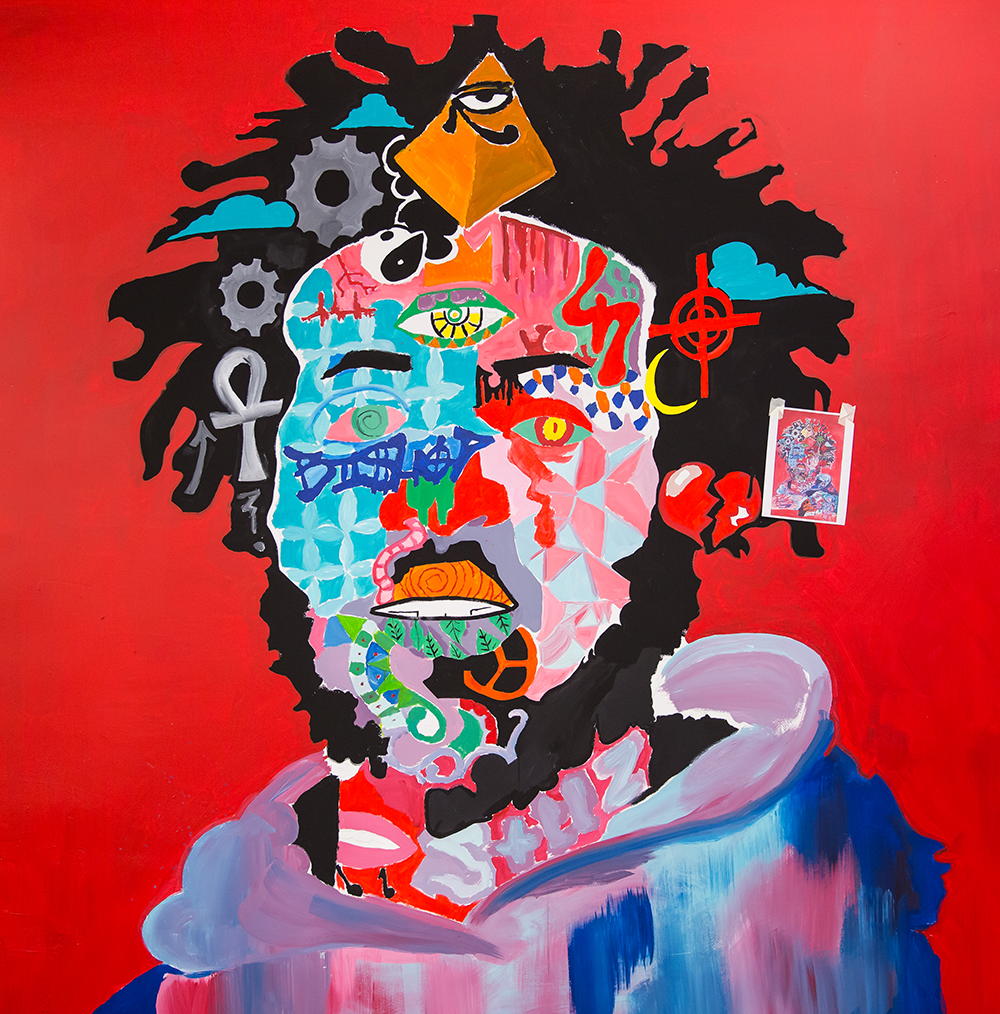
It is a healing and empowering experience for system-impacted young people to tell their own stories.
Credit: Hyseem “Bishop” McIndoe, Artistic Noise
There is great variety in strategies to assess impact. Some grantees conduct rigorous studies. Others look at basic numbers — counting participants, workshops, events, and other activities in order to assess reach and touchpoints. Many use surveys or focus groups to learn about the experiences of the participants. Yet for some programs, anecdotes about the lived experience of their program participants are the best way of determining impact. These may be entirely subjective but get to the heart of impact on individuals.
These are all valid ways to assess impact. We’ve adopted a phrase from Susan Magsamen of the Johns Hopkins University International Arts + Mind Lab: there are “many ways of knowing.”
Funders need to be judicious about resources. Almost anything can be measured, if you have enough money and time, but that doesn’t mean that it should. In all cases, we ask:
- What is meaningful?
- What is reasonable given the size of the organization?
- What is useful, and for what purpose?
- What is actionable?
We also are cautious about one-size-fits-all approaches to defining impact, as the resources required to conduct assessments pose structural impediments for small, grassroots organizations, many of which are led by and serve marginalized communities.
This Progress Report is not a formal evaluation. It is a synthesis of multiple ways of considering what impact looks like and sharing what we and our grantees have learned.
“How is a funder to compare the impact of a social justice dance group working with survivors of domestic violence to a Latinx theater company providing connections to mental health care through interactive theater, or a mental health organization using filmmaking as a medium to combat stigma, or a hospital system that is using the arts to promote wellness and help frontline staff who are at risk of burnout?”
Kira Pritchard,
Program Officer
Laurie M. Tisch Illumination Fund
Impact Framework
When we gauge impact, we consider multiple levels.
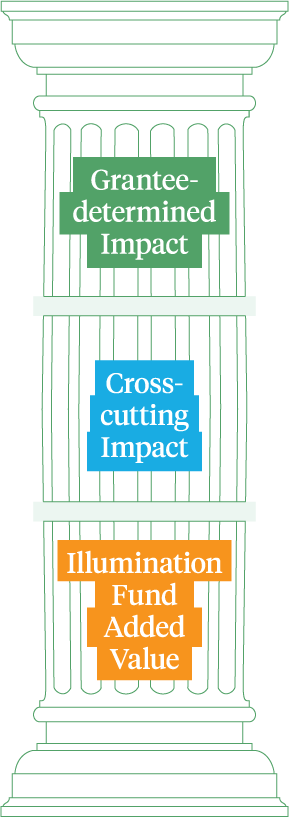
1) Grantee-determined impact
- First, we identify what the grantee determines is important for them to assess and evaluate rather than imposing our own measures and methods. Depending on the organization and its programs, they may be assessing impact at the level of individuals, activities, interventions, initiatives, or the organization itself, and using a wide range of approaches. The metrics are unique to a specific organization since the health issues, populations, and program models are so distinct.
2) Cross-cutting impact
Because we can look across more than 30 Arts in Health grantees, we also see commonalities, patterns, and shared goals across the organizations — each addressing different issues, populations, and disciplines, yet sharing common touchpoints in connecting the arts to health.
- Increasing Access
- Establishing Collaborations and Partnerships Across Organizations, Fields, and Sectors
- Building and Sharing Knowledge to Inform Programs and Policies
- Developing Organizational Capacity and Building a Leadership Pipeline
For nonprofit organizations, these are second nature, but identifying and maximizing them is a way to build impact.
3) Finally, we consider our own activities and how they contribute to and amplify the work of the grantees.
You can learn more about each level by clicking in the following items:
When the Illumination Fund considers impact, we look at three levels:
Grantee-determined Impact
Grantee-determined Impact
Whether through expanding reach or deepening individual impact, our grantees measure impact using tools and strategies that make the most sense for their constituencies.
Grantee-determined impact highlights both individual and organizational transformations through arts programs.
Some grantees use rigorous studies and analysis:
- Gibney, in partnership with Sanctuary for Families and Teachers College, Columbia University, conducted a National Endowment for the Arts-funded study on the Move To Move Beyond® program for survivors of intimate partner violence. This first randomized trial for survivors of intimate partner violence revealed significant reductions in PTSD symptoms and psychological distress over 12 virtual sessions, improving participants’ mood, self-expression, and community building. (See page 84)
- Art Start uses validated case management systems to track achievements in Social Emotional Learning and adaptive mindsets through Individual Service Plans. In 2023, 75% of youths demonstrated increased collaboration, communication, and critical thinking skills; 70% showed growth in goal and growth orientation, essential for career readiness. (See page 52)
- The Art Therapy Project offers group therapy for severe trauma victims, tracking psychological outcomes and participation. Therapists and client self-assessments evaluate the therapy’s effectiveness in reducing stress and developing coping mechanisms. (See page 116)
- Dances For A Variable Population’s Moving Minds program, assessed by an external evaluator, documented improvements in participants’ mental health, confidence, and social connectivity through quantitative and qualitative methods. (See page 146)
Other grantees measure impact by reachand engagement:
- Arts & Minds held museum-based programs in 2023 for over 1,500 Alzheimer’s and dementia sufferers and their caregivers, enhancing accessibility with programs in Spanish and extending outreach through 65 community partnerships. Training for museum and dementia care professionals further amplifies their impact. (See page 128)
- For Community Access’s Changing Minds Young Filmmaker Competition and Festival, the best measurements are reach and participation: the number of submissions to the annual film festival, the size of in-person and online audiences; and feedback surveys from the festival. Cumulatively, since the inception of Changing Minds, Community Access has received 4,900 submissions from young filmmakers in 95 countries. (See page 68)
- NYC Health + Hospitals Arts in Medicine engaged thousands of hospital staff and patients through a variety of programs, including art workshops, residencies, and public concerts. New art installations across hospitals and a patient art exhibition at Woodhull Hospital highlight therapeutic and empathetic enhancements in healthcare environments. In 2024 a formal evaluation of the Community Mural Project was launched by the Jameel Arts & Health Lab at New York University and the World Health Organization, signifying a strategic approach to understanding and enhancing the arts’ role in health improvement. (See page 33)
Cross-cutting Goals
Cross-cutting Goals
Every Arts in Health grantee aims to increase access — in alignment with our mission of “access and opportunity” — though their goals and strategies greatly differ.
Expanding Access
Some organizations focus on broad outreach, while Conversely, others prioritize intensive, deep, long-term engagement:
- IndieSpace has provided Mental Health Micro Grants to more than 1000 indie-theater artists as of August 2024, subsidizing costs for therapy, medication, and other services, with about 70% of recipients identifying as part of marginalized groups. They track impact anecdotally through engagement with grantees. (See page 92)
- Darkness RISING Project in 2023 connected 9,000+ attendees to mental health resources through live events, addressing barriers like stigma, availability, and affordability. They conduct surveys at events with email follow-up, track mental health resource packets provided, community partnerships developed, and sign-ups to Find Me A Therapist program and REBUILD, which provides free therapy sessions to formerly incarcerated individuals. (See page 76)
- Artistic Noise maintains deep, sustained relationships with participants over approximately three years, focusing on impactful interactions rather than scale — measuring success through the number of workshops, earnings from its Art & Entrepreneurship program, and direct feedback from youths. In 2023, Artistic Noise launched Art & Care, a drop-in program at the School of Visual Arts in order to increase its reach. (See page 54)
- Common Threads Project offers therapeutic support in small groups to refugee survivors of gender-based violence over 6-12 months to ensure personalized care, tracking psychological progress confidentially and gathering feedback from partners. (See page 60)
Developing Collaborations and Partnerships Across Organizations, Fields, and Sectors
Every nonprofit recognizes the importance of collaborations and partnerships, especially among organizations that bridge different fields, such as arts and health, where partnerships are inherent to the model.
Key insights from our 2021 Arts & Mental Health call for proposals highlighted the necessity for grantees to establish robust partnerships with mental health professionals in order to design, implement, and monitor effective programs.
- Target Margin Theater’s “Here and Now” Community Storytelling Project engaged Sunset Park’s diverse immigrant community in multiple languages through a partnership with RaisingHealth Partners. Mental health professionals were present during sessions to provide support, with bilingual community health workers offering interpretation. (See page 112)
- Artist Mary Ellen Carroll/MEC Studios, DYKWTCA (Do You Know Where The Children Are), and Terra Firma, a Bronx-based health, mental health, and legal services organization, created RSVP to introduce the arts and arts occupations to recently arrived unaccompanied immigrant children seeking humanitarian protection as an acculturation “path-marking experience.” Storefront Center for Art and Architecture served as fiscal sponsor, and program hosts included: Times Square Arts (performance and theater), National Sawdust (music), and Diller, Scofidio + Renfro (architecture).
(See page 114) - DE-CRUIT, which uses theatre to meet the diverse mental health needs of military veterans, partners with the New York City Department of Veterans’ Services, the Advocacy and Community-Based Trauma Studies (ACTS) Lab at New York University, and the US Department of Veterans Affairs (VA) health system (See page 80)
- NYC Health + Hospitals Arts in Medicine works closely with museums, cultural organizations, and community-based mental health service providers, integrating arts into public health initiatives. (See page 33)
- Pregones/PRTT engaged 6 Bronx-based community mental health and social service organizations as partners for engagement during workshops and for targeted audiences, and more than 20 additional organizations for outreach. (See page 102)
- The Creative Center partnered with NYC Health + Hospitals to expand the hospital system’s artists-in-residence program. (See page 150)
- CaringKind coordinated with Arts & Minds for museum staff training and partnered with ID Studio Theater to deliver programs for Spanish-speaking participants in northern Manhattan. (See page 136)
Building and Sharing Knowledge to Inform Programs and Policy
Several grantees have shared their program learnings externally through conferences, trainings, presentations, and publications — extending their influence beyond
their organizations.
- The Art Therapy Project introduced a “standardized progress note” for art therapists to enhance communication with medical professionals and clarify therapy processes. This initiative was studied at a program partner site, with results published in the Canadian Journal of Art Therapy. Additionally, the findings were presented by Ian Kwok, MD at the 2022 Center to Advance Palliative Care National Seminar. (See page 116)
- Gibney’s research study — “Exploring a Dance/Movement Program on Mental Health and Well-Being in Survivors of Intimate Partner Violence During a Pandemic” — supported by the National Endowment for the Arts and matched by the Illumination Fund — was published in Frontiers in Psychiatry, the second most-cited journal in the field of psychiatry, and the authors presented findings at the 2023 American Psychological Association Convention. [LINK] (See page 84)
- Dance for PD® has been featured in more than 40 peer-reviewed studies. including a 2022 study in Frontiers in Psychology, [LINK] and another in Aging Clinical and Experimental Research. [LINK] In 2023, the International Journal of Qualitative Studies on Health and Well-being published a study on “The meaning and impact on well-being of bespoke dancing sessions for those living with Parkinson’s.” [LINK] (See page 138)
Strengthening Staff Capacity and Building a Leadership Pipeline
Sustainable programs require a pipeline of new leaders and advocates, especially those with lived experiences, as they bring vital knowledge and perspectives for authentic success.
- Artistic Noise employs former participants as Alumni Artists in Residence, Teaching Artists, and Studio Assistants. (See page 54)
- Recess’s Assembly program, an artist-led “Alternative to Incarceration” program conducted in cooperation with the Brooklyn Justice Initiative and the Kings County District Attorney’s office, offers individuals who have been arrested a chance to participate in a rigorous 6-week program. After completion, they can advance into a pipeline — becoming paid Peer Leaders and participating in skill-building training and project tracks integrating the arts, job readiness, advocacy, financial literacy, mental health and activism. Upon their completion of Peer Leadership, the participants are offered a 12-month Fellowship capstone program. (See page 108)
- Mekong NYC’s Summer Intergenerational Program educates youth and adults about the needs and priorities of the community, builds their knowledge and skills as leaders in the community, and offers opportunities to engage in community organizing, neighborhood revitalization, and social justice efforts. (See page 98)
- The Creative Center runs a week-long intensive Arts-In-Healthcare and Creative Aging Training Institute annually, teaching best practices in arts programming for a variety of healthcare and community settings to at least 40 professionals each year. (See page 150)
Recognizing that community-based nonprofits often overlook staff development due to funding constraints, the Illumination Fund offers grants specifically for team development, allowing organizations to tailor use to their needs.
These initiatives underline the commitment to nurturing leadership within the arts and health sectors, ensuring programs not only start strong but also have the capacity to endure and evolve.
- Kundiman provided its staff sessions with career coaches specialized in nonprofit management and diversity. (See page 96)
- viBe worked with an organizational coach to enhance strategic visioning, culture development, and financial management. (See page 124)

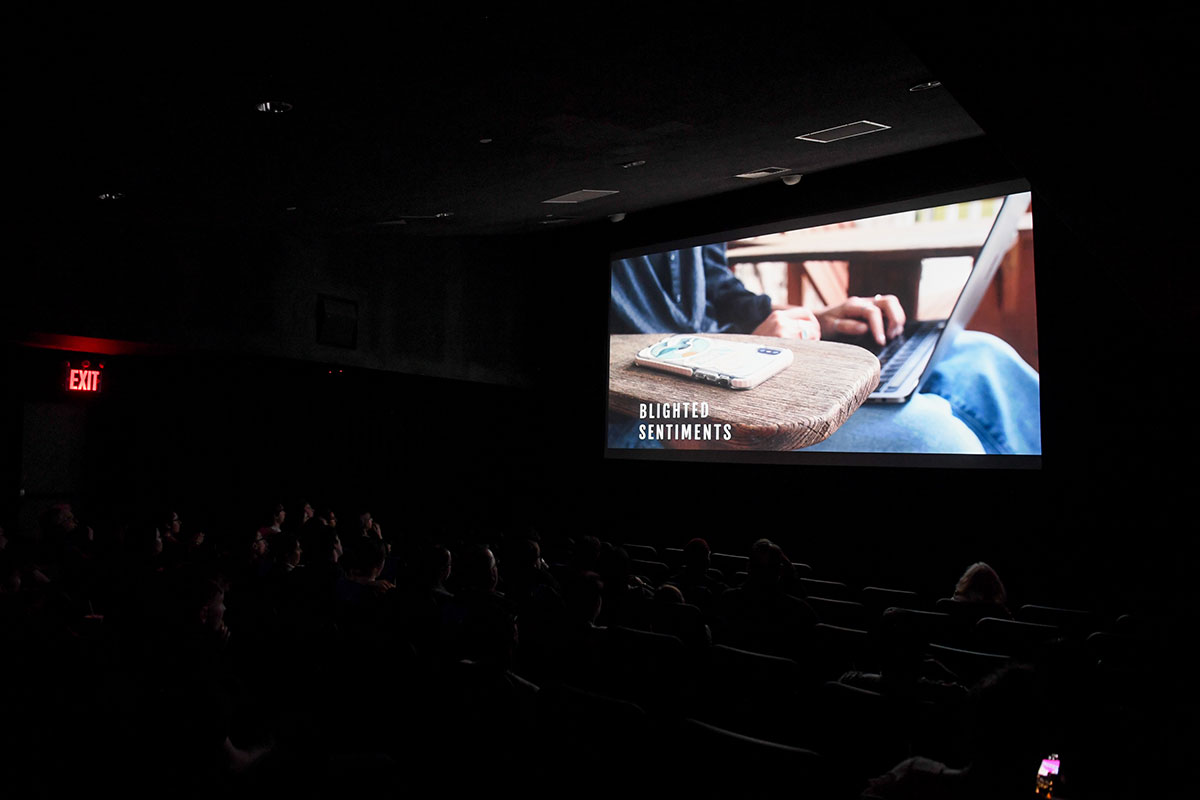

Youth from NYC and beyond explore aspects of mental health and wellbeing through filmmaking.
Credit: Community Access
Illumination Fund Added Value
Illumination Fund Added Value
While our focus on grantee-determined impact and cross-cutting impact guides the Illumination Fund’s understanding of the impact of our grantmaking, we also use our role to add value beyond the direct programs. We consider this a tremendous opportunity to contribute toward the organizations, the field, and other stakeholders.
One important way which we provide value in addition to our grants is by connecting grantees to each other and helping to facilitate network building and knowledge building in the field. We also spread the word about the work and radiate outward through reports like this as well as in other channels.
Laurie Tisch has shared the Arts in Health work at forums for the Aspen Institute, Forbes, UJA, Bloomberg, and Hauser and Wirth, and cites the programs in interviews and articles across print, electronic and social media. I participate in and present at conferences and webinars for organizations such as Grantmakers in the Arts, the National Organization for Arts in Health, the Jameel Arts and Health Lab, the World Health Organization, and the NeuroArts Blueprint. These organizations are advancing knowledge, practice, and policy.
The grantee case studies and profiles in this report offer a window into the transformative work of these organizations, the challenges they face, and the impact they achieve. By documenting, synthesizing, and disseminating our insights, we aim to further magnify their influence and invite others to join us in celebrating and supporting their work.
We invite you to explore more on the Illumination Fund’s website, where grantee videos vividly bring these stories to life. A picture may tell a thousand words, but a video captures the heart of their missions in action.
Chapter 1:
A Pioneering Partnership
A Pioneering Partnership: NYC Health + Hospitals
This chapter was compiled from interviews conducted by Rick Luftglass, Kira Pritchard, and Jan Rothschild in the summer of 2024.
Dr. MITCHELL KATZ, President and Chief Executive Officer, NYC Health + Hospitals
NYC Health + Hospitals (H+H) is the largest municipal hospital system in the country. It’s important and different than all the other municipal systems because it’s the only one which is large enough to reach everyone in New York City who wants to be seen at a public hospital. We have the most powerful mission. We are the only system in New York City that cares for people regardless of their economics under a single standard. And central to us is this idea that everybody gets the same level of care.
LAURIE TISCH
My family supports many important hospitals in New York, but when we launched Arts in Health in 2018, it was natural for us to make the City’s public hospital system an anchor for the initiative. It aligns perfectly with our mission. NYC Health + Hospitals seeks to serve all New Yorkers, no matter their ability to pay, gender identity, or immigration status — without exception. That’s truly access, opportunity, and community.
Public hospitals are not typically on the radar of most philanthropists, but they have many excellent and essential programs and services that necessitate philanthropic support. With the arts, NYC Health + Hospitals couldn’t afford to dream big. With our support they can. Our partnership has been transformative. Along with delivering great programming, they are measuring impact, innovating, and expanding the field of Arts in Health.
Dr. ERIC WEI, Senior Vice President, NYC Health + Hospitals, and Chief Executive Officer, NYC Health + Hospitals/Bellevue
When Dr. Katz and I came to NYC Health + Hospitals, we immediately saw that the staff was hurting. People had been operating under this black cloud of a $1.8 billion deficit. Which hospitals are going to close? Which services are going to be cut? How are we going to reduce head count?
We said, ‘no, no, no. We’re going to bring something for the staff.’ And so really putting the focus back on our most precious resource, which is our people — providing support for emotional and psychological trauma, figuratively refilling their tanks so that they can provide the highest quality, safest care and the best care experience possible. That was our first priority. So we implemented Helping Healers Heal, a peer-to-peer employee wellness program Mitch and I had piloted in Los Angeles to support the emotional and psychological well-being of our healthcare workers.
Dr. MITCHELL KATZ
When I joined Health + Hospitals in 2018 there were many surprises, but I think one of the biggest surprises was that there was this huge art collection. And I was hearing suggestions that we build a humidified storage area for the art and fund programs for the art. I’m like, whoa, if I had money, I’d be building something for my patients and staff, not for the art. But I thought there must be a way to bring these two things together to form a bond of using the art collection in a way that furthers our mission. And that’s where philanthropy, and in particular the Laurie M. Tisch Illumination Fund, came in — because we needed a way to bridge this gap.
RICK LUFTGLASS
In 2018, in our initial meetings with CEO Mitchell Katz and his team, we explored H+H’s needs, priorities, and ideas. Was there an interest in connecting the arts to their healthcare mission? Were there existing programs? And they told us “We have an enormous art collection; we have arts programs that benefit patients, but they are disparate and not coordinated centrally. We have arts programs that are community facing, not system wide. But we have nothing for staff. If the arts can help our staff, that would be our priority.”
That was a crystallizing moment for us. Since mental health was already a major focus of the Illumination Fund’s Arts in Health initiative, the issue of mental health of the hospital staff resonated with us. Physician burnout is well known, but the stigma of getting mental health support is also an impediment for seeking help. Their expressed need inspired us to move forward.
Dr. ERIC WEI
After our initial conversations with Laurie and Rick at the Illumination Fund, we put together a plan to create the Arts in Medicine department. We recruited Linh Dang, who worked at Kings County and had previously managed the arts in medicine program at Stanford University, Medical Center, to build the new department and develop the programming at H+H, not only for more patients in more facilities, but also programs specifically designed to address staff burnout and compassion fatigue to go alongside Helping Healers Heal (H3).
RICK LUFTGLASS
Linh came back to us with a system-wide strategy. The plan outlined two overarching goals:
- To replicate and expand specific arts-based programs to reach facilities that were otherwise underserved.
- To create new programs to engage staff in activities that would relieve stress, foster collaboration, improve the work environment, build organizational pride, improve patients’ experiences, and increase community engagement.
Our initial $1.5 million grant was the largest in our Arts in Health initiative. In February of 2019 we announced the partnership at a press conference with former First Lady Chirlane McCray.
Dr. MITCHELL KATZ
Art is one of the things that causes awe. Awe is good for people’s mental health. Awe makes people enjoy their workplace. Coming to work feeling good about your job makes you a better caretaker. You want happy patients, you need happy doctors, happy nurses, happy social workers. So, part of the answer to that was to get the art collection out of storage, get it into the facilities and use it now. I think that was big goal one. The art provokes thought, the art makes people feel like they have a common vocabulary.
But big goal two — and again, I give a lot of credit to Laurie and the Illumination Fund for helping us see this — was to bring people together to make new art. The collection is large and important, but it was not relevant to everybody in Health + Hospitals. It was not a living collection. It was not growing. To make the collection relevant we had to find a way to involve everyone in it, including our hospital communities.
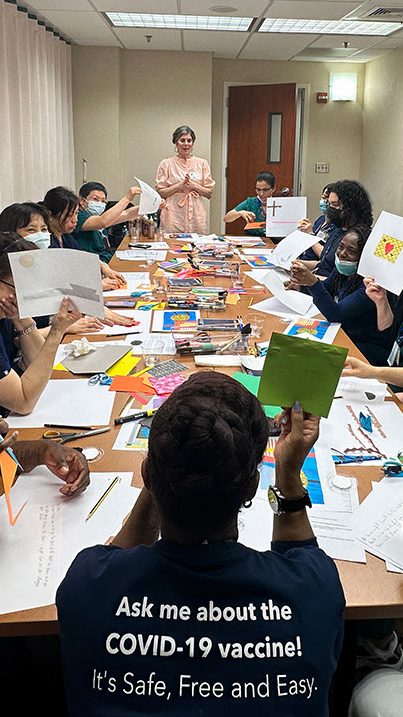
Art for the Public Good: Keith Haring created murals at NYC Health + Hospitals/Woodhull.
Credit: NYC Health + Hospitals
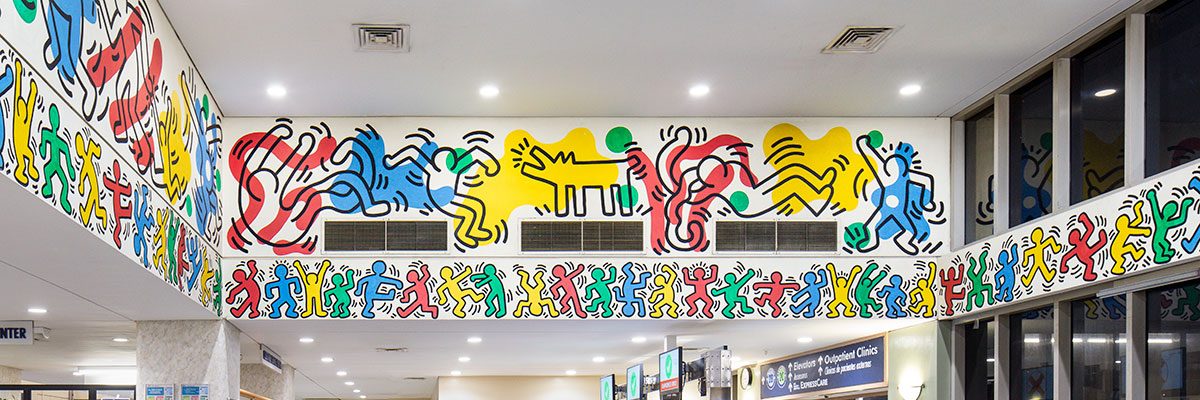
Art for the Public Good: Keith Haring created murals at NYC Health + Hospitals/Woodhull.
Credit: NYC Health + Hospitals
NYC Health + Hospitals Arts in Medicine: Visual Overview
NYC Health + Hospitals Arts in Medicine for health workers, patients, and the healthcare environment
Community Mural Project
LAURIE TISCH
The most visible arts program at NYC Health + Hospitals has been the Community Mural Project, which is one of the first new programs launched in 2019. It is one of the best, most exciting and fun projects that I have seen in my close to 50 years in philanthropy. It is specifically designed to bring the communities, the hospital staff, and patients together to imagine and then create artworks that become a permanent part of the facility. The activity of creating murals breaks down barriers and it’s also just a lot of fun. It makes people happy, it relieves stress, it builds teamwork, and it bolsters pride in the hospital. The Community Mural Project was an enormous success from the very first mural.
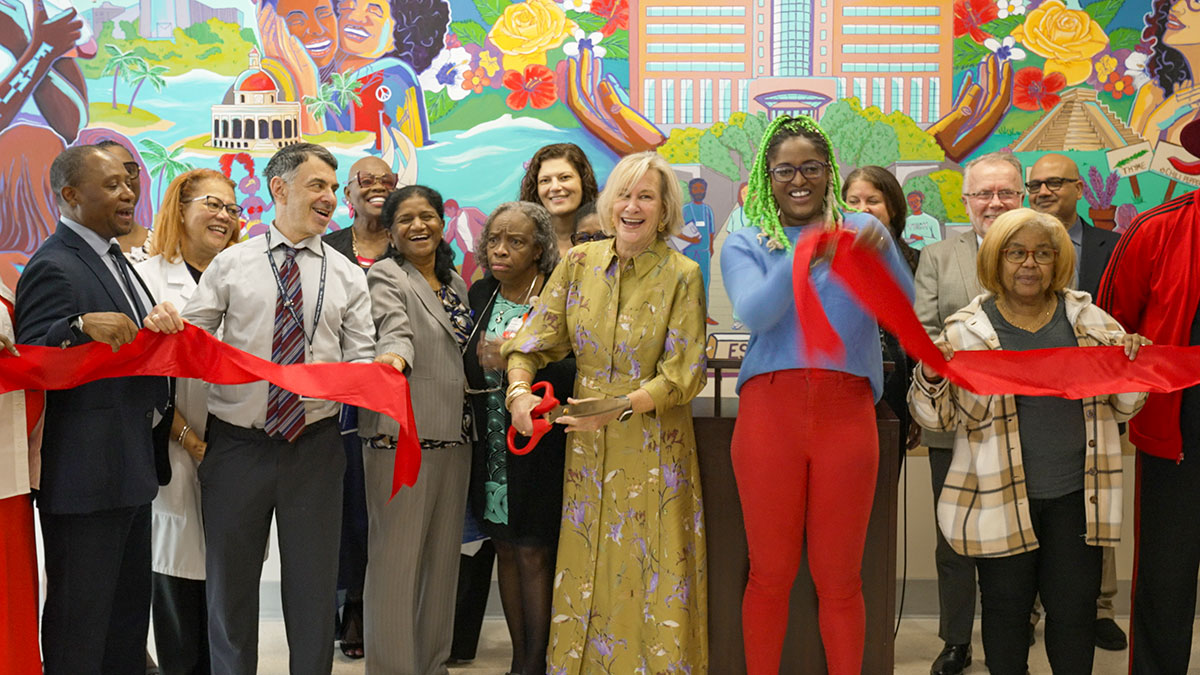
Community murals culminate with a joyous ribbon cutting, celebrating the community.
Credit: NYC Health + Hospitals
Read More
Dr. MITCHELL KATZ
I love the new murals. I love the idea that patients and staff were involved in painting them. And people would point out what they had painted. And clearly that made them part of the art and it increased the sort of therapeutic value of it. Health is not just the absence of disease. Health is all of the positive things that people bring to it, that environments bring to it.
Dr. ERIC WEI
Throughout 2019, we saw real benefits to our staff and patient population from the Arts in Medicine programming. There was a lot of momentum and enthusiasm. But the pandemic changed everything. We saw demands on our system that had not been experienced in at least a century. There was an even greater need for staff wellness programs, but we weren’t sure how we could deliver programs safely. So, we paused everything until we could figure it out. Laurie and Rick were right there with us, supporting our efforts and asking how they could help.
RICK LUFTGLASS
In March 2020 everything stopped. Hospital leadership came to us and said, “We want to continue, but we’re just not sure how because we are at the epicenter of the pandemic.” And then the staff at Arts in Medicine polled the hospital CEOs and they said, “Give us a few months. We’ll do virtual focus groups. We’ll do socially distanced paint parties, but we want to get this program back up and running. We need it.” And that led to more murals in 2020 and 2021, with a new group of murals planned through 2025.
LARISSA TRINDER, Assistant Vice President, Arts in Medicine, NYC Health + Hospitals
In 2022, when I was hired for the Arts in Medicine department, COVID-19 was still a major concern, and staff burnout was high. Linh had established strong programs for staff, patients, and the community, but the pandemic forced us to reassess and adapt these initiatives. The demand for our services outpaced our capacity, and we needed partners to expand and enhance our offerings, particularly in areas like collection management and high-impact programs.
Our department’s integration into the Quality and Safety Cabinet, which oversees key functions like care experience and staff wellness, highlights the essential role of Arts in Medicine within the system. Our programs are mapped directly to system priorities. Our primary question is: How can the arts be utilized to address a constantly changing health environment? How can the arts help address the multifarious challenges that are presented? We develop programming that is evidence-based, that has demonstrable benefits and that can be replicated across the system to reach more people.
We collaborate with H+H’s Wellness Directors to tailor arts interventions for staff teams at risk of burnout. We are looked to as part of a larger strategy to develop programs to address staff needs. We then closely measure and evaluate each program to ensure positive outcomes. By aligning with other internal groups, we believe Arts in Medicine has an impact on retention and overall job satisfaction. The staff survey results demonstrate the value of this integration.
As we expanded, so did our goals, leading to the development of a research strategy, a refined approach to exhibitions, increased community engagement, and enhanced music offerings. Recognizing our growing needs, the Illumination Fund awarded us $3 million in 2023 so that we could expand programming and serve more people.
The diverse needs of our staff and patients, including trauma processing and mental health stigma, underscore the importance of arts in healthcare. While we have a significant art collection, we lack expertise in some arts disciplines crucial to healthcare. Thanks to Laurie, Rick, and the Illumination Fund’s network, we’ve gained valuable partnerships and resources for ongoing program development.
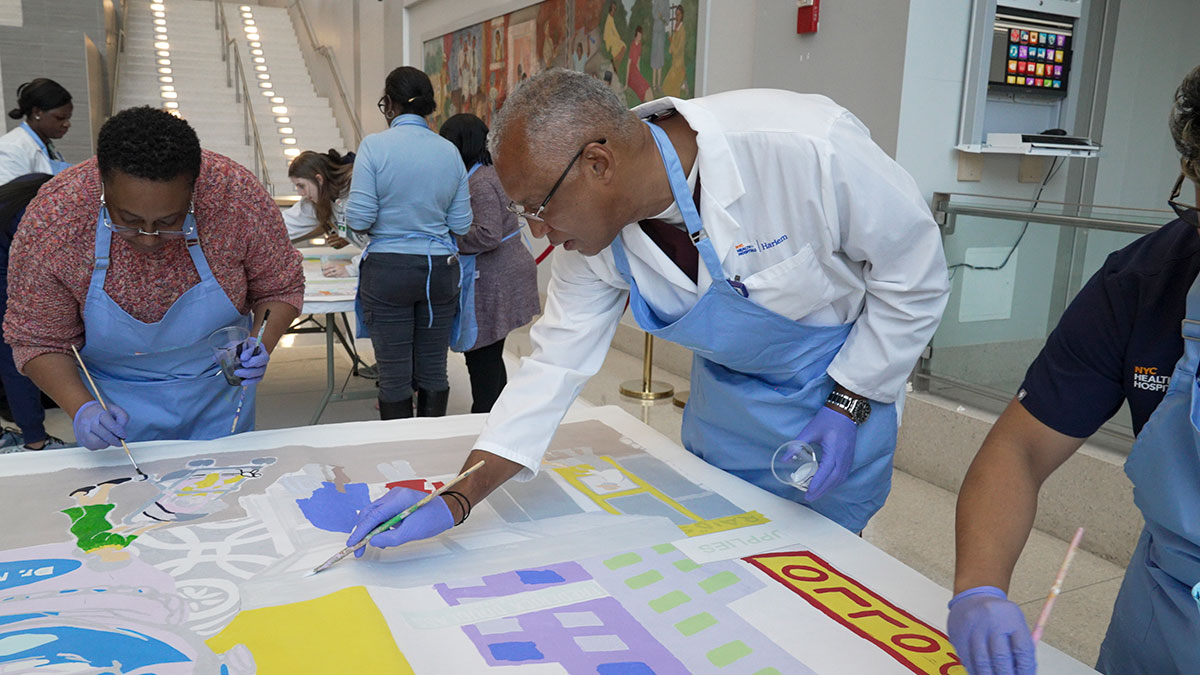
Community mural paint parties bring artists and staff together for a day of creative expression.
Credit: NYC Health + Hospitals
The Power of Partnerships
LAURIE TISCH
I serve on the boards of a number of cultural organizations across the city, and it has been a pleasure to introduce Larissa and her team to people at the Whitney Museum, at the Brooklyn Museum, at Juilliard and others. There is so much they can do together to offer access to the arts and to healthcare. The programs that have resulted from those introductions are ones that really demonstrate the impact of our Arts in Health initiative.
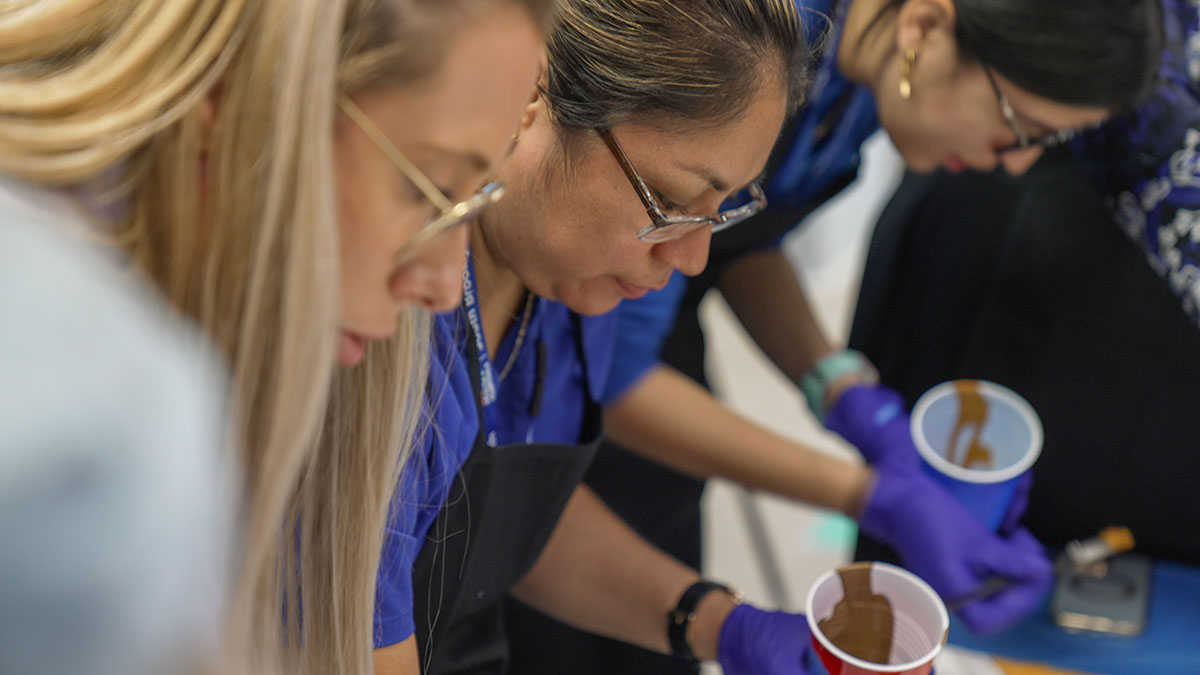
Hospital colleagues collaborate with the artist and work side-by-side.
Credit: NYC Health + Hospitals
Read More
LARISSA TRINDER
Partnerships are integral to accomplishing our objectives. Laurie, Rick, and Kira have been invaluable resources for us. They help us with everything from thought leadership to program development to opening doors to other funders and partners. In addition, over the years, Rick has uncovered remarkable information about our collection that has helped our understanding and interpretation of many works of art.
RICK LUFTGLASS
NYC Health + Hospitals addresses broad health issues that align with our focus. They also collaborate with other grantees who bring additional arts expertise to the patients and staff. By sharing insights from these partnerships, H+H enhances both their work and that of our other grantees. Their efforts to connect with New York arts organizations have led to more effective programs and a broader range of artistic disciplines, allowing Health + Hospitals to diversify its offerings.
HHArt of Medicine
RICK LUFTGLASS
HHArt of Medicine (pronounced “Heart of Medicine”) is a great example of the power of those partnerships. The program is based on an art observation exercise developed for medical students to help them build their diagnostic skills, build empathy, and establish team cohesion. The model has been transformed for the hospital environment. Linh piloted the program in 2019 and began building partnerships — first with the founder of a grantee cohort member, and then with museums, primarily the Brooklyn Museum. When Larissa came in, she saw the real need to expand this program and has created new partnerships, including with the Whitney.
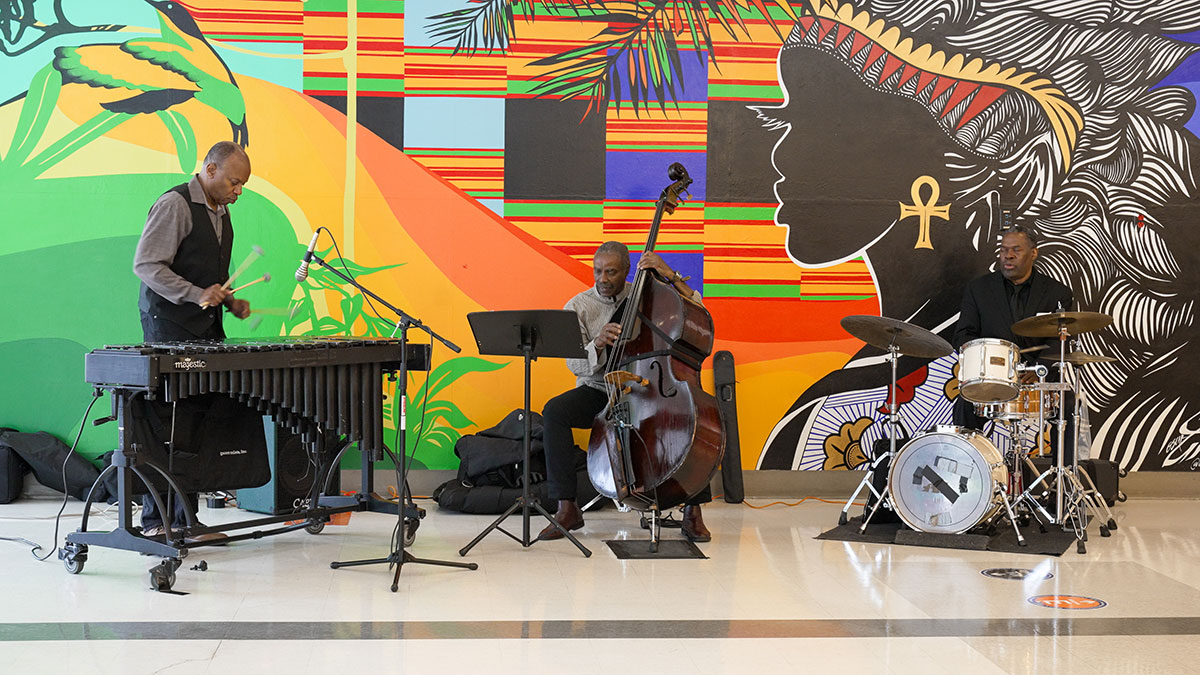
Community mural paint parties bring artists and staff together for a day of creative expression.
Credit: NYC Health + Hospitals
Read More
CRIS SCORZA, Chair of Education,
Whitney Museum of American Art
I became aware of Arts in Medicine at Health + Hospitals through Laurie Tisch, who’s a Whitney trustee and longtime supporter of the education programs here. Laurie suggested I meet Larissa Trinder at Health + Hospitals. When we met, we had a conversation that really shed light on the potential of our collaboration.
LARISSA TRINDER
Staff wellness is an overarching system priority. HHArt of Medicine is one of our most effective staff-facing programs. Inherent in the program is the ability to build empathy and connect teams more closely to one another, and I only see the program growing. It has health benefits, and it also highlights the important contribution that art collection provides as an additional tool in healing.

“Art is always a way for me to release stress, so I truly enjoyed the experience in our sessions of HHArt of Medicine. It is an exercise that’s been therapeutic for me, and I would love for other staff members to experience the same thing.”
Edwine Joseph,
Nurse Educator
NYC Health + Hospitals/Gouverneur
LARISSA TRINDER
HHArt of Medicine is a trauma-informed immersive art experience for clinical and non-clinical teams to connect with each other. Our team works closely with our Wellness Directors to develop a safe and supportive environment to share and create with one another. At each session, the museum educator uses open-ended dialogue focusing on a work of art from Health + Hospital’s collection, the art therapist provides time for personal reflection, and then the participants make art that may or may not reflect what they saw but expresses their own emotions. It provides a space for our staff to experience joy and relaxation in community with each other.
Experiencing and creating art in community with others impacts our physiology and biology. It can lower cortisol levels and increase dopamine, serotonin, and oxytocin. Art also enhances our ability to process emotions, nurture empathy, and foster greater connectedness.
CRIS SCORZA
Many people have written about the evidence of how looking at art benefits our brain. It allows us to connect with part of our brain that is not always active. That allows us to slow down, take deep breaths in the process without us even noticing. We want more people to be exposed to tools and techniques that help them slow down and heal and show them ways in which they can almost pull them out of a rut as they’re going about their day. We want people to realize that through observation they can bring a healing moment, a respite to their every day, and then be able to connect to new ideas.
HHArt of Medicine Program Impact
- Stress relief: In 2023, 85% of HHArt of Medicine participants in the HHArt of Medicine program reported significant stress before sessions, and 80% felt little to no stress afterward. Participants described feeling “inspired, relaxed, and destressed.”
- Fostering connections: 84% believed the program strengthened their connections with peers, patients, and loved ones. Participants appreciated learning more about their colleagues and shared experiences, noting how group discussions influenced their own perspectives.
- High demand: 98% expressed a desire to attend more programs, emphasizing the value of different perspectives and the program’s positive impact.
- Respite and connection: 100% of participants wanted more opportunities for personal time and connection with colleagues at work. They highlighted the importance of self-care and valued the shared experience.
Arts in Medicine – HHArt of Medicine
Access to the Collection
LARISSA TRINDER
Our art collection features significant works like the WPA murals from the 1930s, the Keith Haring mural at Woodhull, and the Romare Bearden collage at Bellevue, as well as about 7000 other artworks. We needed a strategy to make them more visible and accessible internally and externally, to help people understand them better, and to enhance health outcomes and pride in the facilities.
Initially, Linh’s team experimented with an audio guide for in-facility art viewing, but it could only be used within the facilities and lacked visual elements. We needed a better solution. Laurie and Rick connected me with Kate Levin at Bloomberg Philanthropies, leading to our inclusion in the Bloomberg Connects app. We were the first healthcare system to be included. This app allows anyone, anywhere in the world, to explore our collection, placing us alongside world-class museums. Bloomberg Connects also provided educational signage with QR codes, making the art more accessible and engaging for staff, visitors, and patients at our hospitals.
Correctional Health
Dr. MITCHELL KATZ
I think of all of the events that we’ve done, perhaps the most transforming was the exhibition of artwork that is done by people at Rikers who are detained there. NYC Health + Hospitals has a Correctional Health Services division that provides all of the health services at Rikers and other sites. It’s an important role not only because of physical health, but because many incarcerated individuals suffer from mental illness, and having them treated by our medical staff and therapists rather than correctional staff ensures confidentiality and trust.
Correctional Health Services has arts therapists at Rikers Island’s jail to provide mental health support through creative activities. It’s a good way for people to use their emotional powers to express themselves through art. Going forward, I really want to see this merging of a mission about the arts and a mission about health and all of the ways that we can bring those two things together.
LARISSA TRINDER
When Nicole Levy, MPH, CHES, the Director of Communications and Intergovernmental Affairs for Correctional Health Services, and Dr. Barbara Bethea, the Director of the Creative Arts Therapy program, reached out to me, we decided to develop an exhibition, Creating Within, at Woodhull Hospital. Creating Within displayed Correctional Health patients’ art side-by-side with artwork from our collection.
The Correctional Health patients that shared their powerful work in the exhibition, and the staff that worked closely with them to make this happen, reinforced the mission of NYC Health + Hospitals to support and empower everyone, regardless of circumstance.
LARISSA TRINDER
I’ve been reflecting on how Arts in Medicine aligns with H+H’s priority of health justice. It’s not just about providing healthcare within the criminal justice system, though that’s part of it. Access to the arts as a healing tool is a health equity issue. We serve everyone, including people experiencing homelessness and victims of domestic violence, and everyone can benefit from the arts. Therefore, we must continue to innovate, expand access, and share the impact of our programs to gain more support for Arts in Medicine both within and beyond our system.
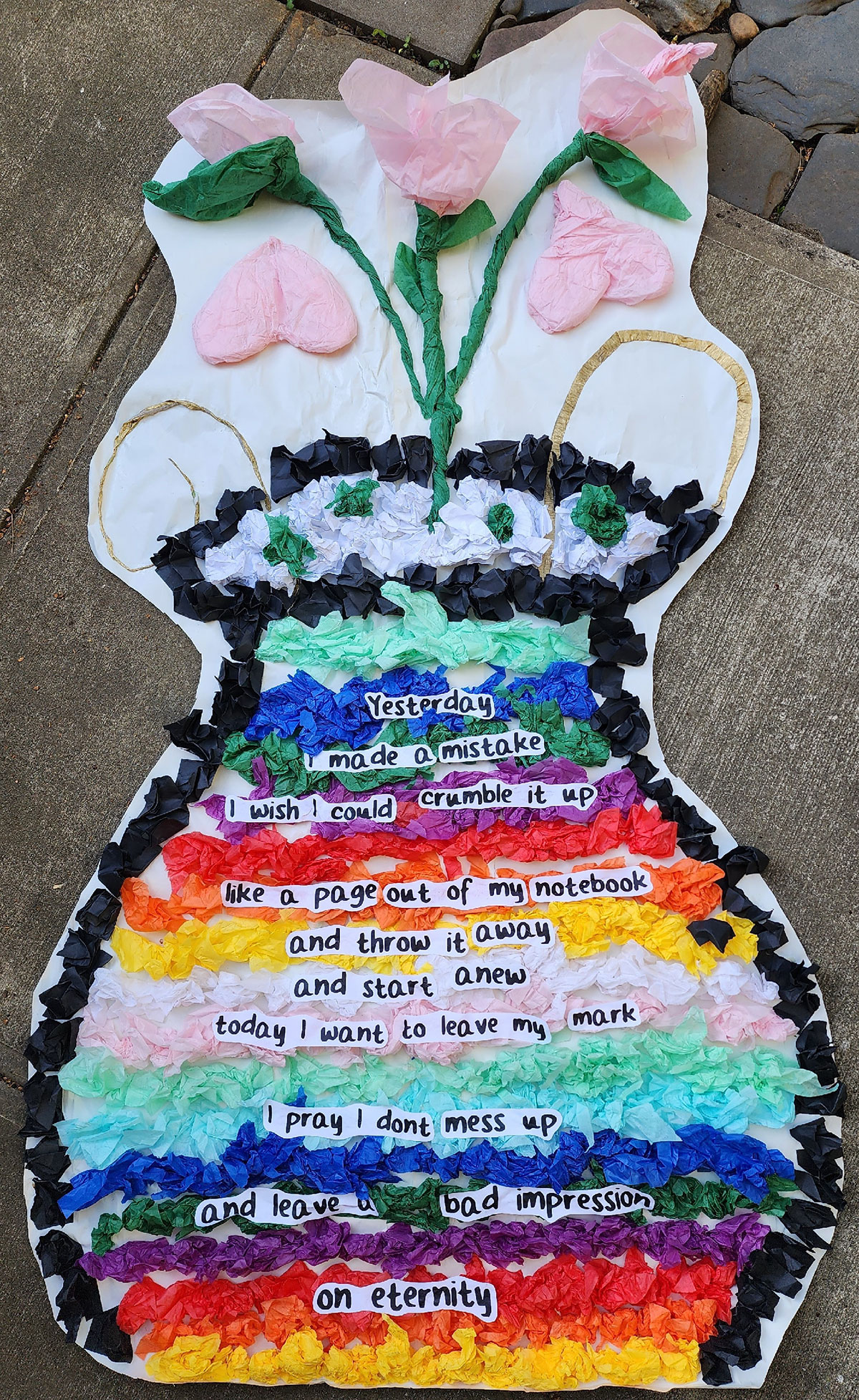
In Creating Within, Rikers Island detainees shared insights on their past, present, and future.
Credit: Photo by NYC Health + Hospitals
Lullaby Project
LARISSA TRINDER
Our collaboration with Carnegie Hall is one of our longest running partnerships and predates Arts in Medicine. It was started at H+H’s Jacobi Medical Center. But programs were somewhat sporadic. With the Illumination Fund’s support, we have been able to create a more robust program that includes staff wellness concerts at Carnegie Hall and the Lullaby Project for patients and families, and we’re also piloting some violence interruption programs together.
SARAH JOHNSON, Chief Education Officer and Director of Carnegie Hall’s Weill Music Institute
We’ve been collaborating with NYC Health & Hospitals since 2009, initially through concerts. This evolved into the Lullaby Project, where new and expecting parents work with professional musicians to create personal lullabies for their babies. The program has now expanded to 12 sites across NYC, including healthcare, social service, and justice settings.
The Lullaby Project has grown beyond just pregnant women — partners, families, and even nurses have participated, creating lullabies as a form of connection and love. The project focuses on addressing inequity, serving communities in need, such as those experiencing poverty, homelessness, or resettling as refugees. It also allows families to reconnect with their cultural heritage and traditions.

Staff well-being concerts refresh and inspire.
Credit: Carnegie Hall, kora player Seckou Keita
Music for the Soul
LARISSA TRINDER
Music has been a key part of our programming for years, and it has expanded since becoming part of Arts in Medicine. During the pandemic, we launched Music for the Soul as livestream concerts for hospital staff, but the programs were costly for the system and participation was low due to staff scheduling challenges.
Recognizing the need for joy and connection, we shifted back to live concerts in hospital lobbies and public spaces as soon as it was safe. The demand for music programs is high, and our communities want more. It changes the healthcare environment within the hospitals.
We’re now partnering with Sing for Hope, which provides musicians for live concerts, bedside engagement, and night shift performances, enhancing morale for staff and patients. Their diverse roster reflects our community’s diversity.
H + H Artist-in-Residence Programs
LARISSA TRINDER
Research shows that embedding artists in healthcare settings provides an outlet for patients, families, and caregivers to decompress and find joy. The Artist-in-Residence program, a partnership with The Creative Center, is one of the most effective ways to integrate the arts into our hospital culture, helping reduce anxiety and fostering connection. It also highlights strategic system priorities like Correctional Health and Asylum Seekers, with artists raising awareness on crucial issues. Upcoming developments include training artists in trauma-informed practices and customizing programs for specific teams, as well as involving artists in our exhibition strategy.
LAURIE TISCH
I serve on the boards of a number of cultural organizations across the city, and it has been a pleasure to introduce Larissa and her team to people at the Whitney Museum, at the Brooklyn Museum, at Juilliard and others. There is so much they can do together to offer access to the arts and to healthcare. The programs that have resulted from those introductions are ones that really demonstrate the impact of our Arts in Health initiative.
Young people combatting gun violence created positive scenes of the community. Credit: Muralist Fernando “Ski” Romero with photographs by Guns Down Life Up youth
Read More
LIZ RUBEL, The Creative Center’s Programs and Partners Coordinator
As a former Hospital Artist-In-Residence, I’ve seen firsthand how creative arts offer self-expression and moments of inspiration. We’re now partnering with NYC Health + Hospitals Arts in Medicine to restructure The Creative Center’s 25-year program to focus on healthcare staff. This will enhance their environments, encourage collaboration, and provide creative outlets to unwind and express individuality.
LARISSA TRINDER
In 2022, thanks to the city’s Department of Cultural Affairs (DCLA), we launched a new Artist in Residence program with a focus on civic issues, becoming part of the city’s Public Artists in Residences (PAIR) programs. Our artist, Modesto Flako Jimenez, was commissioned to amplify our hospital-based violence interruption programs, particularly addressing the public health crisis of gun violence.
Flako, a poet, playwright, and educator, spent a year embedded in our Guns Down Life Up program, working with youth affected by violence. His creative approach provided valuable support, offering new perspectives and enhancing the impact of our hospital-based violence intervention programs.
Flako’s residency was a powerful and positive experience for the youth involved in our gun violence programs.
Flako’s work
During his residency, Flako developed several impactful projects:
- Interactive Mural at Lincoln Hospital: Created with graffiti artist Fernando “Ski” Romero, featuring uplifting scenes of the South Bronx and the Guns Down Life Up community, with QR codes linking to participant-created videos, poems, and artwork.
- Modern Adaptation of Romeo and Juliet: Youth participants adapted and performed Shakespeare’s play, incorporating street slang and modern themes, while learning theater-making skills.
- Gallery Exhibit: Showcasing photography, film, poetry, and other creations by Guns Down Life Up participants at Materials for the Arts in Queens.
- Showcase at Carnegie Hall: An interactive performance at Carnegie Hall’s Resnick Education Wing, featuring scenes from Romeo and Juliet, poetry readings, a brief documentary, and an art-making activity.
Research and Evaluation
LARISSA TRINDER
In recent years, there has been a remarkable growth in the field of arts in health, with NYC Health + Hospitals Arts in Medicine at the forefront of what is now an international movement, with major institutions investing in its development and research. Support from senior leadership at H+H and the Illumination Fund has been critical to our success.
We’re proud of our research and evaluation efforts, including our participation in the global Hospital Mural Evaluation (HoME) study, a collaborative effort, involving the Jameel Arts and Health Lab at NYU, the World Health Organization, and CultureRunners which will assess the impact of large-scale murals on public health in hospitals in four countries. The insights will help us refine and improve our programs.
The growing interest in arts in healthcare is driving a paradigm shift, with our department frequently consulted by others inside and outside our system. The positive outcomes we’re seeing underscore the transformative power of integrating arts into healthcare.
Read More
Countless young people are victims of gun violence in our city each year. Countless others have access to guns, and tens of thousands are exposed via social media and news headlines of gun violence across our city, country, and world. Tragically, too many lack social support and mental health services to avoid gun violence. Art can be used to provide youth with self-awareness, self-expression, confidence, and other skills to avoid gun violence and educate their peers on how they may do the same.
Modesto Flako Jimenez,
Public Artist in Residence at
NYC Health + Hospitals
Arts in Medicine Supports Staff Wellness
- After Wellness Program Directors were hired, H+H has seen a range of wellness service utilization increase up to 52%-86%, including Arts in Medicine and creative arts wellness events, with positive reviews.
- Aggregate data collection, using post-survey methodology, has shown that Wellness Rooms and arts-based wellness activities in them decrease stress upwards of 69%, increases positive mood by 36%, as well as increase cognitive alertness by 38%.
- There was a 6% decrease of staff reporting symptoms of burnout that wouldn’t go away and a 10% decrease in staff reporting that they were beginning to burn out or had one or more symptoms due to a variety of workforce wellness interventions including arts activities.
Conclusion
Dr. ERIC WEI
The impact up to this point has been beyond anybody’s wildest imagination and expectations. But I think there’s still so much more that we can do. I don’t think all 43,000 staff across NYC Health + Hospitals have formally been part of any of the programming. What we want is to fully penetrate the system, to reach all the staff.
And it’s not just like a one-time thing. This is just part of how we take care of our own. It’s part of how we create a healing environment for our patients, for the visitors to our facilities, and for our system, so we need to develop more and more programming that has the highest impact. We want to be able to study the impact and increase those that have the biggest impact.
And to put our Arts in Medicine programs in context, I think we’re unique. Many hospitals have arts programs, but I have not met anyone else doing what we are doing. And I go to many conferences and speak to people who work in safety net systems, private systems, nonprofit systems. I think we’re really pioneering things here. And that’s what drew me to coming across the country from California to New York City and H+H. In an era where many cities are losing their safety net systems, people in the most vulnerable patient populations and communities are suffering. So it means a lot to us to be able to make a difference in this city for these communities, these patients. And what we do sets policy across the country — Washington, DC, the White House, Congress, the state, everyone’s paying attention and saying, well, if they could do it, why can’t we do it? We are on the cutting edge, and we hope to see programs grow all across the country.
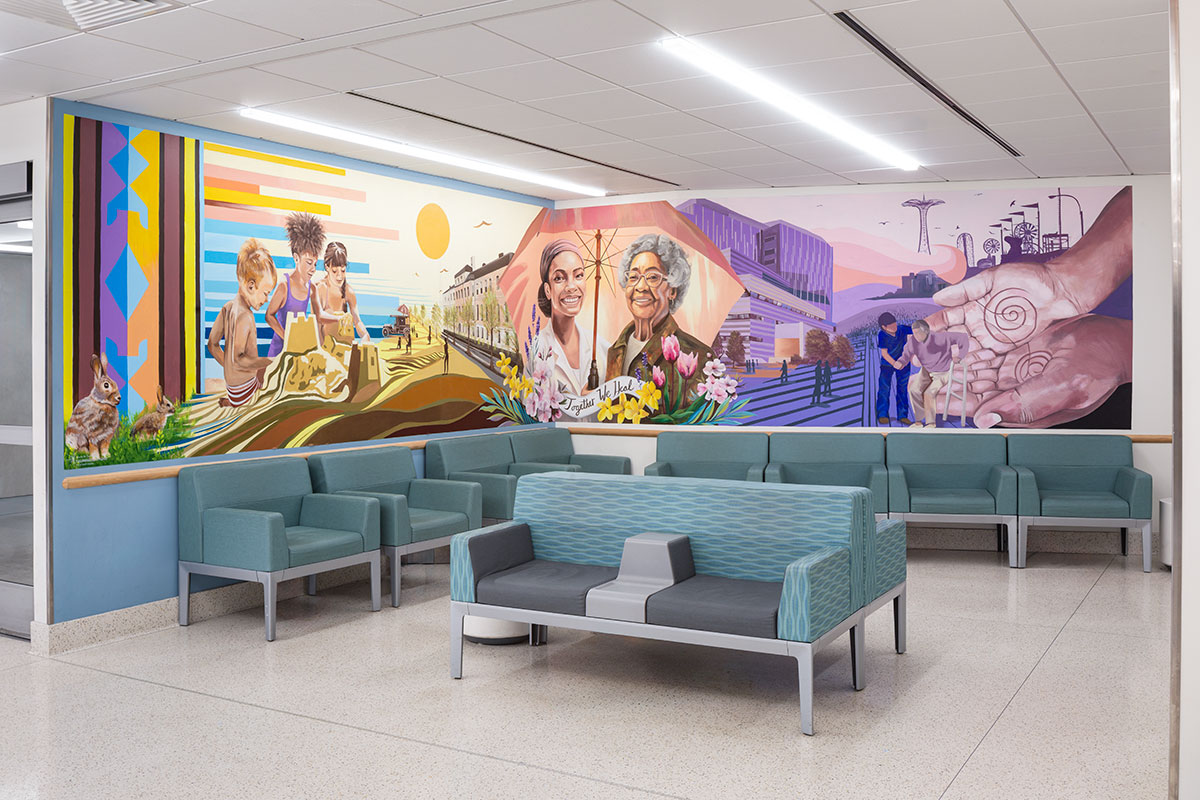
Section of Together We Heal (2023) by artist Kristy McCarthy, in the waiting room of the adult emergency department at NYC Health + Hospitals/South Brooklyn Health
Credit: NYC Health + Hospitals
Chapter 2:
Mental Health
Chapter 2. The Role of the Arts in:
Combatting Mental Health Stigma
Although mental illness is common, the perceived stigma associated with it can produce a sense of hopelessness and shame, undermine personal accomplishment, negatively impact individuals and families, and keep people from seeking help. According to the NYC Department of Health and Mental Hygiene, “40% of adult New Yorkers with a serious mental illness acknowledged that although they needed treatment, they either did not receive it or delayed seeking help.” [LINK] There is public stigma, which is the bias from the public, and self-stigma, which is the internalization of negative attitudes. Untreated mental health conditions can contribute to substance abuse, incarceration, homelessness, unemployment, and suicide.
The arts can have a significant effect on diminishing stigma and building understanding and engagement. A leading expert on stigma, Dr. Patrick Corrigan, has identified several key ingredients of effective anti-stigma initiatives, including sharing stories about personal challenges, hearing from people with “lived experiences,” face-to-face contact that includes a common goal, and having an uplifting message. Those ingredients undergird programs that the Illumination Fund supports through the Arts in Health initiative.
- Teens and young adults in 95 countries submitted 4,600 films to a mental health film competition to foster discussions combat stigma.
- Events with Broadway stars connected 9,000+
- people of color to free mental health resources.
- Interactive theater sparked culturally relevant dialogue about mental health in Latinx communities.
Addressing Trauma
Trauma can be caused by experiencing or witnessing life-threatening or violent events. It can also be the result of prolonged or repeated exposure to injurious conditions. Trauma has a profound effect on individuals, families, and communities, with a disproportionate impact in low-income and communities of color. The COVID-19 pandemic exacerbated and amplified longstanding health and mental health disparities, and brought new ones driven by high rates of infection, hospitalizations, deaths, unemployment, domestic violence, homelessness, and pre-existing unmet mental health needs.
Creative expression can be a tool to help individuals and communities by aiding with coping and recovery, building understanding of critical issues, promoting wellness and resilience, developing social bonds, connecting to services, and reducing stigma so barriers to care are decreased.
In a nationally representative poll that the Laurie M. Tisch Illumination Fund commissioned, 87% of Americans surveyed said they believe that the arts can help people recovering from a traumatic event such as abuse, a serious accident or injury, or violence, compared to 13% who did not think the arts would be helpful.
- Intimate partner violence contributed toward reductions in PTSD symptoms and psychological distress, improved mood, and reduced tension.
- Healthcare providers who participated in The Nurse Antigone and Theater of War Frontline reported that they gained new insights about their experiences during the pandemic and that post-performance discussions made it easier to talk about difficult topics.
- Refugee women survivors of sexual and gender-based violence who participated in group therapy and the making of story cloths demonstrated a reduction of depression, anxiety, and trauma-related stress.
ART START
Youth Mental Health Initiative
Issue
Teens and young adults experiencing homelessness, court involvement, and income insecurity have few safe outlets to foster their creativity, build skills and confidence, and develop a positive outlook.
The Organization
Read More
Art Start uses a youth-centered approach to education and mentorship. Programs guide young people to appreciate who they innately are, discover what they have to offer the world, and encourage them to think critically, ask important questions, and identify the opportunities in their paths.
Many of Art Start’s students are experiencing times of instability and transition, in systems that stifle creativity. Art Start provides a safe space for artistic expression and exploration, with an emphasis on the creative process that encourages positive risk-taking and personal development, helps youth to heal and grow through their present unstable and often traumatic circumstances, and guides them toward success.
Art Start programs serve approximately 600 youth annually and include:
- Creative arts workshops for youth living in transitional housing residences for families experiencing homelessness, pregnant and parenting young mothers, and court-involved youth in detention programs.
- Personal and professional development opportunities for youth interested in pursuing a creative life. Services include residences, sponsored tuition to creative coursework, industry mentoring, portfolio creation, and stipends.
- Public-facing projects, including gallery/outdoor exhibitions, social media campaigns, and publications.
Grant
Read More
Purpose: To support the Youth Mental Health Initiative, Enabling Art Start to hire its first social worker.
The Youth Mental Health Initiative is designed to build Art Start’s capacity and increase its ability to more fully address the spectrum of mental health needs of the youth it serves. The addition of a full-time social worker on staff has greatly enhanced Art Start’s onsite wrap-around services, including social-emotional and mental health support.
Art Start’s social worker provides direct, wrap-around services including social-emotional and mental health support to its youth.
Credit: Art Start
Impact
Read More
The new social worker position provides direct services to Art Start youth through the development and implementation of individualized service plans for youth that involve goal setting, addressing acute needs, and offering free mental health support. The social worker also spearheaded the integration of new evaluation methods, including the adoption, implementation, and execution of the Casebook case management system and the Hello Insight youth development evaluation tool, and uses Salesforce to track service plans, outcomes, social determinants of health, safety plans, demographics, and referrals to external resources. The case notes and tracking of individualized service plans showed that in numerous instances, housing, food security, and physical safety needs were identified, so referrals were made to resolve the issue. With a social worker on staff, those referrals extended to confirmed placements with follow-ups.
Art Start’s social worker also dug deeper into staff development with two years of training in Transformational Relationships and Healing-Centered Engagement in order to not only consider trauma and the use of art and talk therapy but to also consider youth beyond their traumas with a focus fostering ongoing well-being towards a proactive, healthy, and productive adulthood. In addition, staff members were trained in Motivational Interviewing techniques, which use reflective listening, affirmations, and open-ended questions to create an environment for students to practice autonomy, collaboration, and meeting challenges, leading to their growth and a healthy navigation of change. The social worker also provided a refresher of Mental Health First Aid training. Similar to physical First Aid and CPR, evidence-based Mental Health First Aid training teaches the skills needed to recognize and respond to signs and symptoms of mental health and substance use challenges, as well as how to provide someone with initial support until they are connected with appropriate professional help.
Of Art Start’s 60 teens and young adults enrolled in its 2022 Creative Connections program, which provides the participants with access to resources, courses, mentorship, and relationships with industry professionals:
- 75% of the youth who completed at least one project demonstrated an increase in applied Social Emotional Learning, which builds skills for collaboration, communication, creativity, and critical thinking that create a foundation for students to pursue their career and life goals.
- 70% demonstrated an increase in an adaptive mindset, including goal orientation and growth orientation — key elements for career readiness.
ARTISTIC NOISE
Art & Entrepreneurship and Arts & Care

Youth impacted by the justice system face challenges in nearly every aspect of their lives—from employment and housing to education and mental health. An estimated 90% of system-involved youth have experienced serious trauma in their lifetimes. This is also true for others impacted by the carceral system, including family members of the incarcerated, and those impacted by the juvenile court system, shelter system, probationary system, and mental health care system.
Based out of their Harlem studio, Artistic Noise provides arts activities, employment opportunities, wraparound services, and arts therapy for system-impacted youth. Participants develop their creative abilities and business skills through arts workshops, arts education, and exhibitions of their work in a variety of youth-led art shows throughout the year. Youth are given a stipend and full access to programming, including opportunities with Artistic Noise’s partner institutions: School of Visual Arts, Studio Museum in Harlem, Pace Gallery, Kasmin Gallery, Hauser & Wirth, Whitney Museum of American Art, and Columbia University’s Teachers College.
Prior to the launch of the Arts in Health Initiative, the Illumination Fund supported the Art & Entrepreneurship program at Artistic Noise, recognizing that the organization provided important tools, access to the arts, and economic opportunities for a vulnerable population.
“When they added a full-time art therapist to their staff to better meet specific mental health needs of the youth in the program, Artistic Noise naturally evolved to an Arts in Health grantee,” said Rick Luftglass on inviting Artistic Noise to join the Arts in Health cohort in 2019. “We also understood that their staff would benefit from the peer support and collaborative opportunities available in the Arts in Health cohort, and that other cohort participants would benefit from learning about Artistic Noise’s arts-based mental health strategies for their client population.” [LINK]
Population
At-Risk and System-impacted Youth
Discipline
Visual Art
First grant
2019
“Artistic Noise helped me turn my life around 180 degrees,” said Bishop M., an alumnus of Artistic Noise’s Art & Entrepreneurship program. “I had a lot of free time after school, and I was getting into a lot of trouble from the ages of 11 to 18. I was barely home. Every other year I was incarcerated. Coming into the program, it made me feel that I didn’t have to do those types of things anymore. I was too busy doing positive things, and I had money from the Art & Entrepreneurship program in my pocket.”
Participants are paid for all time worked in the Artistic Noise storefront studio and receive 100% of the proceeds of every artwork sold through Artistic Noise exhibitions or shows. The Art & Entrepreneurship program provides long-term support and resources to its young people. Because of this, its cohorts are kept small — 15 to 20 students.
Helping young people process serious trauma takes time, and while the cohorts within the program may be small, the impact is deep, meaningful, and reverberates into the community.
Artistic Noise recognizes that mental health challenges can be stigmatized, but the organization’s approach helps to mitigate that stigma. Through their community-centered approach, the young people step up in brave ways, regardless of labels.
An Art & Entrepreneurship participant recalled, “I feel supported when I’m at Artistic Noise. When I’m feeling down and I feel like I have nobody to talk to and express my feelings to, I can come to work and be heard.”
The Illumination Fund provides flexible support to Artistic Noise, which helps with operating costs and has enabled them to evolve as needed and to quickly pilot new strategies. Due in part to the Illumination Fund’s support, in 2023 Artistic Noise launched a new program, Art & Care. Created in collaboration with the School of Visual Arts’ Art Therapy master’s program, Art & Care is a drop-in style mental health-based program.
“Every Monday from 12 to 7pm, young system-impacted people across New York City, in all five boroughs, can swing by the School of Visual Arts space. They’re given resources like MetroCards, food, parenting supplies, childcare supplies, art-making experiences, therapeutic experiences, one-on-one therapy, group art therapy, leadership opportunities, and even clothing, if needed,” Zwicky said.

“We’re committed to working with young people, not just for one session, two weeks, five weeks, or one year, but three, four, and even five years […]”
Calder Zwicky,
Executive Director
Artistic Noise
“We look at art therapy from a community-based lens rather than from your typical medical model lens. […] It’s more therapy on the young people’s terms and in a way that feels accessible, non-stigmatizing, and really holistic.”
Victoria Hristoff,
Director of Art Therapy and Youth Services
Artistic Noise
Additionally, each youth participant who works within the space for an extended time receives a stipend for their work.
“We’ve witnessed when young people return to the program a little bit later, they’re willing to engage with the younger community in a way that is really organic,” said Hristoff.
Artistic Noise provides long-term resources to its youth, including economic opportunities and mental health support.
Credit: Artistic Noise
Impact
Artistic Noise revamped the way it considers and addresses trauma among those who are system-impacted and system-involved.
“The early days of system-impacted art-making and carceral art-making generally focused on the immediate traumas and the immediate traumatic experience of what being incarcerated does to a young person,” Zwicky said. “Because of that, the early activists and art-based programming in these spaces was oftentimes very dark, was oftentimes very depressed, and was oftentimes very tragic and traumatic as a way of expressing what that experience is to the greater world.” With time, Artistic Noise has focused their mission to create space for young people that brings joy and hope, with the understanding that the young people have suffered indescribable experiences.
“We also want to create a space that seems sometimes just celebratory, sometimes just joyful, sometimes just fun,” said Zwicky.
“If young people are coming to this space again and again, we know that we’re providing something they need because they don’t have time to waste and we’re not going to waste their time by providing services that are anything less than necessary and important to them,” Zwicky said as he noted the strategy behind measuring impact at Artistic Noise.
To this end, the Art & Entrepreneurship program, as of winter 2022 and spring 2023, has a 100% retention rate, illustrating the success of the program and its importance to the young people in this community.
The most recent participants of the Art & Entrepreneurship program have reported the following effects of
their engagement:
- 100% feeling cared for and safe to express themselves within the studio space without fear of any negative consequences.
- 100% of participants were able to identify at least one new, trusting relationship with a supportive adult since joining Artistic Noise.
- 98% of participants stated that they enjoy working with others more since joining Artistic Noise.
- 98% of participants reported that selling their artwork at Artistic Noise has encouraged them to keep creating and growing as an artist.
Many participants in Artistic Noise programming come to the organization with few art skills and little to no experience with art therapy. However, many leave, often years later, with a new toolbox of techniques to process trauma and to create art. In fact, some participants go on to have careers as artists and many go on to be leaders in their community, ushering others with similar experiences onto a path of healing. Artistic Noise also believes in hiring from within their community, bringing on past participants for a variety of roles within the organization including Studio Assistants, Teaching Artists, Alumni Artists in Residence, and even Board Members.
Artistic Noise considers its programming to be “community-first” — meaning that it listens to its young participants and ensures its programming helps where it’s needed most. By using art as a medium within its community-first programming, Artistic Noise embodies the Illumination Fund’s priority to make deep impactful change in addressing mental health stigma and trauma.
“They lean into their leadership and that, I think, is one of the best ways that we measure impact.”
Calder Zwicky,
Executive Director
Artistic Noise

Participants develop creative abilities and coping skills through workshops, exhibitions, and supportive environments.
Credit: Artistic Noise
The Pandemic
The Pandemic
When the pandemic began, the Artistic Noise team realized the need to expand the scope of their programming to include not only those impacted by the criminal legal system but also those impacted by mental illness.
“This pivot happened because we saw the needs of the young people in our community, especially during COVID, where the shutdown forced young people into spaces of oftentimes discomfort or unsafety,” said Zwicky.
Keenly aware of the needs of the youth in such an uncertain and stressful environment, Artistic Noise jumped into action, with its art therapist providing mental health care to the organization’s local community.
The Illumination Fund’s support was in lockstep with Artistic Noise, as cracks in the mental health system put an even larger burden on young people during the pandemic.
Developing Leaders
Developing Leaders
Piloted in 2022, Artistic Noise’s Alumni Artist-in-Residence Program works with alumni who are interested in pursuing their professional goals and developing a career within the visual arts. The program offers physical studio space, artistic support, art making materials, and a variety of additional paid opportunities to an alumni participant who demonstrated continued interest in building their art making career and taking on a leadership role at Artistic Noise.
Each year, a new Alumni Artist in Residence receives a key to the Harlem storefront studio space as well as an art material stipend and opportunities through outside initiatives to help nourish and promote their individual artistic practices. Sustained engagement throughout all stages of a participant’s journey offers immeasurable benefits. These benefits include access to necessary services, free virtual therapy, and the opportunity to mentor current youth.
The Studio Assistant program is another new initiative that creates space for young people currently working in the Art & Entrepreneurship program to move upwards within the organization and to lead by example. It reinforces the idea that consistent attendance, punctuality, and engagement can lead to promotions, greater responsibilities, and higher pay.
“[Through art] I’m trying to shed light on the mental health system that we currently have in place for young people in this city,” said Samantha Cortez, an alumni artist-in-residence, in her exhibition, Vehicles of Isolation. “We need mental health care reform. I don’t suffer from my mental health; my mental health suffers as a result of the environments I have been surrounded by. What inspires me to create are the moments where I feel very isolated. Those are the moments where, instead of putting myself into a stressful situation, I use art instead.”
Support from the Illumination Fund helped Artistic Noise to:
- Maintain and expand its programming
- Retain and serve more participants in its Art & Entrepreneurship program
- Provide virtual programming during the COVID-19 pandemic
- Pilot the Art & Care program
- Support the organization through a leadership transition
- Expand staffing for the Artist-in-Residence program
- Maintain connections with the probationary and foster care systems
- Strengthen the Artistic Noise Alumni network
Measuring Impact
Measuring Impact
Grantee-Level:
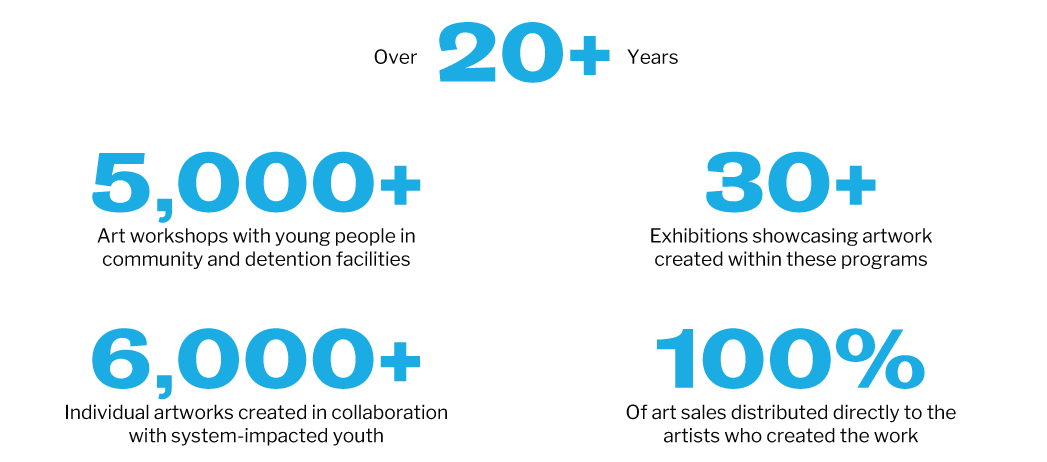
Artistic Noise connects the power of artistic practice with system-impacted youth
COMMON THREADS PROJECT
New York City Program

“Common Threads Project works with marginalized women who have experienced trauma, sexual violence, exploitation, displacement, and poverty,” explains Rachel Cohen, Ph.D., founder and clinical director. Most of the participants are refugees from war or displaced from conflict-affected regions. “They have experienced the loss of home, loved ones, workplace, community, identity, and hope. The impact of these traumatic experiences on individuals, families, and communities is profound and lasting.” Cohen describes the ramifications of these experiences: “Often survivors struggle with severe depression, stigma, social isolation, family conflict, shame, and distress. Without an opportunity for true recovery, trauma sequelae may get passed on to the next generation.”
Rachel Cohen developed a new — but historically rooted — arts-based recovery methodology — a group process of sewing “story cloths,” coupled with best practices from trauma therapy.
“I stumbled into this ancient practice where women come together in groups and sew story cloths. They stitch together, they support each other, and they find a way to speak the unspeakable,” said Cohen. “They gain understanding, insight, and strength, and they heal from doing this simple practice. It’s something that women have done throughout history in all kinds of cultures, and we’re just borrowing that practice and adapting it, and it turns out to be very powerful.”
While the practice is ancient, the science is new and evolving. This integrative therapeutic process is rooted in current neuroscientific understandings of trauma.
Population
Refugee Women, Survivors of Gender-based Violence
Discipline
Textile
First grant
2022
Common Threads Project’s primary psychological intervention brings women together in a healing circle. Sessions begin with a culturally relevant ritual, such as a game, dance, or song, to bond everyone. After the beginning ritual, participants are taught the benefits of psychological practices and given psychoeducation and tools to regulate their nervous systems in the aftermath of trauma.
Through this process, participants find safety, mutual support, community, and a vital means of self-expression. The program provides a secure space for deep healing and connection with others. Participants learn to access their own strengths and resilience.
“We help the women in the groups to understand what trauma is about, what is happening in their bodies and in their lives,” Cohen said.
In addition to receiving psychological education and tools, survivors make art and participate in art therapy — learning stitches and participating in activities that allow them to explore their trauma safely while building community, reducing stigma, and gaining valuable coping skills to manage challenging emotional states.
“The sewing itself has a kind of rhythmic, meditative quality that actually allows them to stay in a grounded state while processing this emotionally very difficult and potentially destabilizing material and memories. If they’re sewing, they’re able to stay in the here and now,” Cohen explained.
Common Threads Project partners with local organizations to provide direct services to survivors — adapted to the local context and culture — and builds local capacity by training local clinicians in the model.
“We’re committed to working with young people, not just for one session, two weeks, five weeks, or one year, but three, four, and even five years […]”
Calder Zwicky,
Executive Director
Artistic Noise
“We look at art therapy from a community-based lens rather than from your typical medical model lens. […] It’s more therapy on the young people’s terms and in a way that feels accessible, non-stigmatizing, and really holistic.”
Victoria Hristoff,
Director of Art Therapy and Youth Services
Artistic Noise
Common Threads Expands to the U.S.
Common Threads Expands to the United States
Common Threads Project, which Cohen founded in 2011 in Geneva, Switzerland, spent their first several years working in refugee communities in Ecuador, Nepal, Bosnia, and the Democratic Republic of Congo. But you don’t have to go abroad to see how tragedies such as gender-based violence in other continents accompany refugees as they seek new homes and new lives. Many come to the United States.
Cohen returned to the United States and in 2019, Common Threads Project began to launch programs in several communities where refugees had resettled.
Common Threads Project continues to work internationally, in partnership with local groups, but is now based in New York City. Common Threads Project has developed partnerships with refugee-serving organizations in the United States, including Seattle and Washington, DC.
As with their international model, Common Threads Project trains their US facilitators to lead healing circles at these various partnership organizations. “We supervise the groups, but the local practitioners adapt this model for their culture and circumstances, and they facilitate their own healing circles,” Cohen said.
Support from the Laurie M. Tisch Illumination Fund helped Common Threads Project launch their first New York City programs. Current partners are Sanctuary for Families, a service provider and advocate for survivors of domestic violence, sex trafficking, and related forms of gender violence; and the NYC Health + Hospitals/Bellevue Program for Survivors of Torture and NYC Health + Hospitals/Elmhurst’s Libertas Center for Human Rights, both of which provide medical, mental health, social, and legal services for individuals and families subjected to torture and other human rights abuses.
“In New York, we are a center of refugees and asylum seekers, many of whom have been through unspeakable human rights abuses and atrocities, and they need the best kind of healing we can possibly offer. They deserve that,” shared Cohen.
“They’re fleeing human rights abuses. They’re fleeing torture. They have experienced some form of trauma, and they’re seeking safety here in the US and in New York,” says Adeyinka Akinsulure-Smith, a Common Threads Project facilitator who is a psychology professor at City College of New York and a clinician at the Bellevue Program for Survivors of Torture.
Common Thread Project’s New York participants are far more diverse than most of those internationally. “The women in Common Threads Project come from all kinds of backgrounds. Many of them are survivors of war in places of conflict or they may be refugees and asylum seekers who have been through these experiences,” said Cohen. The groups at the Bellevue program include women from Francophone West Africa, and participants at Sanctuary for Families included participants from China, Russia, Burkina Faso, Morocco, the US, Guinea, Côte d’Ivoire, and the Philippines. Circles for participants from Central and South America are conducted in Spanish.
Keyra Carpio-Muller, a facilitator of Common Threads Project healing circles at Sanctuary for Families, observed that “the creative non-verbal somatic approach of Common Threads Project provides a tangible alternative to traditional talk therapy. A lot of times, trauma is captured in images and cannot be described in words. Use of art materials in the creative process is grounding, regulates the nervous system, and reduces stress. Many of our participants chose to share visual representations of their childhood, sharing experiences of isolation, abuse, neglect, and scarcity.”
Because healing isn’t linear, nor is it limited to a timeframe, it can — and usually does — take a long time. Participants join the healing circles for about six months of intensive work. At the conclusion of their therapy, they may choose to continue to remain engaged in other ways, staying connected with the “family” they have formed together, encouraging others to join the process, showing their story cloths in an exhibition, or speaking out for human rights in their communities.
“It is really critical for women suffering from trauma to discover that they’re not alone. Collective trauma needs to be addressed collectively, or it’s very easy to blame themselves for what happened,” Cohen explained.
“When you’re in a group of survivors, it becomes very clear that this is a much larger structural problem that has been perpetrated on all of us.”
Developing affirming, trusting relationships is indicative of significant progress in healing and recovery.
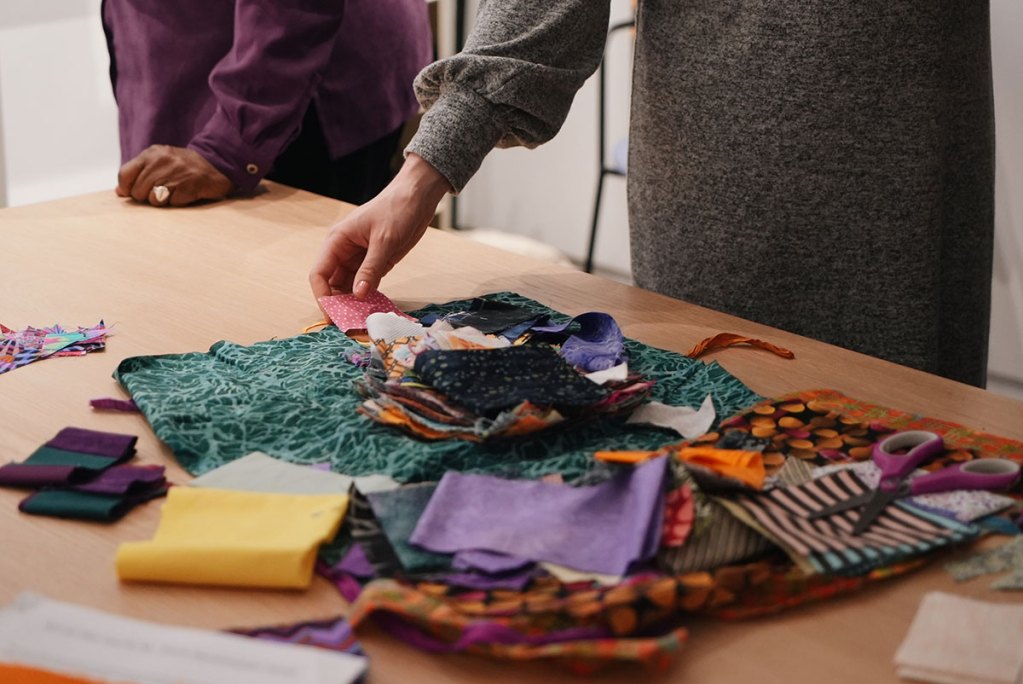
The use of textiles and sewing to create story cloths is grounding, regulates the nervous system, and reduces stress.
Credit: Common Threads Project
Launching a New York City Program
Launching a New York City Program
Cohen heard about the Illumination Fund’s call for proposals during the pandemic and decided to apply. She was thrilled when she found out that Common Threads Project was selected. “Their support allowed us to launch a program in New York City, and the Arts in Health cohort has been instrumental in helping us here.”
“The Illumination Fund understood that deep impact can be as valuable as broad impact,” Cohen said.
One way that the Illumination Fund has sought to support Common Threads Project is through connections. When the Fund learned about the Libertas Center for Human Rights, a program at NYC Health + Hospitals/Elmhurst, they offered to connect the Libertas staff to Common Threads Project. Each had heard of the other, but they didn’t have a relationship. It has evolved into a new partnership.
In 2023, the Illumination Fund mounted an exhibit, Stitch by Stitch: The Fabric of Healing, at the Illumination Fund’s office gallery. Stitch by Stitch brought together story cloths created by participants from Ecuador, Nepal, the Democratic Republic of the Congo, Bosnia, and the US.
Women from several of the international programs lent their story cloths to Common Threads Project for the exhibition. The story cloths are deeply personal; understandably, some women who go through the program don’t want them to be seen by the public. There is never an expectation that their works will be exhibited, but many were eager to share. They told the Common Threads Project’s team that they wanted people in the US to know of their experiences, of what was happening in their countries.
“With the story cloths, when women decide to display them and to share them with the world, it’s for us to bear witness, to stand in solidarity, to hear the story and to say, ‘I hear you. I’m with you,’” explained Golic.
“When many people think about New York, they think about its enormous wealth and opportunities, and everything that it has here for people, but there are so many people here who are living in displacement and in need of rebuilding their shattered lives.”
Vesna Golic,
Executive Director
Common Threads Project
Restoring a Sense of Dignity
Impact: A Process That “Restores a Sense of Dignity”
“The true impact of the healing circles and our methods,” Cohen noted, “is clear when the women who participate in the groups tell us that they have come to experience their lives in a different way. ”They no longer feel helpless and alone. They restore a sense of dignity and purpose. They feel solidarity with each other. They overcome this crushing shame and guilt, self-blame, and stigma that they’ve carried with them.”
In addition to providing services directly, Common Threads Project provides training to healing circle facilitators across the world, multiplying the impact far beyond its program participants.
“I have really appreciated the different techniques we practiced together. I’ve been doing a lot of breath tracing and have shared it with friends. I also have been thinking a lot about discussions on the role of these methods in groups and allowing relationships to form in a creative and judgment-free environment,” one trainee reflected.
Common Threads Project shares its success, its methodology, and its science through various webinars, conferences, and workshops. By spreading its work, Common Threads Project is able to introduce different methods of trauma therapy to the psychology and scientific community, enabling learning and adoption across different locations and demographics.
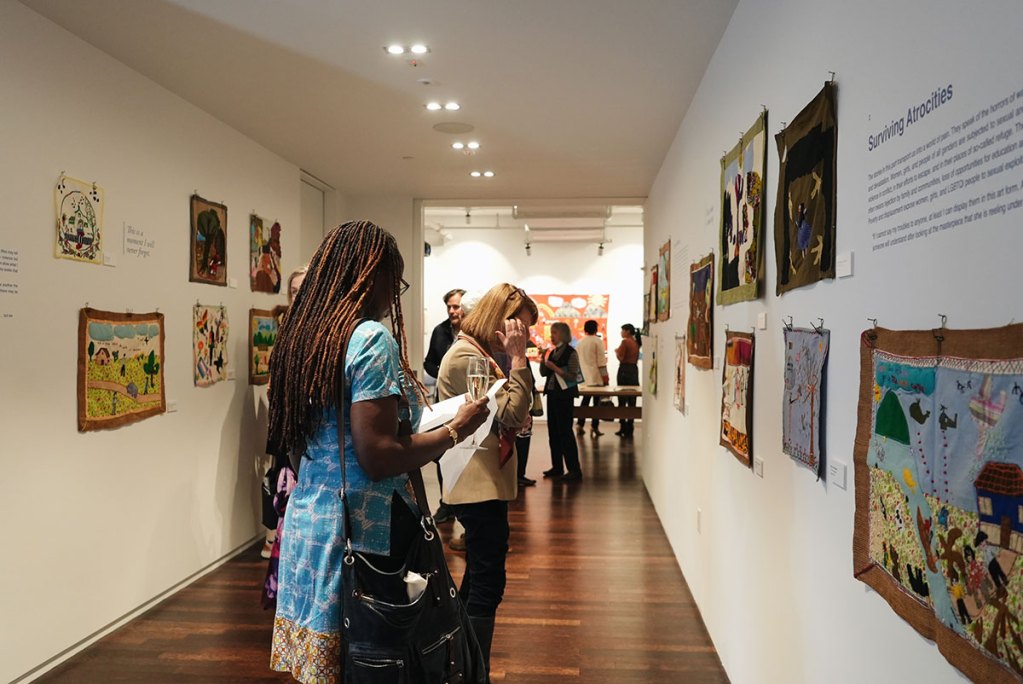
The story cloths were featured at Stitch by Stitch: The Fabric of Healing, an exhibition hosted by the Illumination Fund.
Credit: Common Threads Project
The Case for Arts in Health
The Case for Arts in Health
When Common Threads Project began the US programs, they did not yet have support from other US foundations. That has started to change. After visiting the exhibit at the Illumination Fund, the van Ameringen Foundation, which supports mental health programs in New York and Philadelphia as well as advocacy nationally, decided to support Common Threads Project’s work in New York City. The organization also saw increasing donation levels from individuals, including from newly engaged individual donors.
“If philanthropists are looking for ways to reduce suffering and strengthen communities and individuals, they need to look at what’s possible through the arts,” Cohen said. “These interventions or programs that go very deep with smaller numbers of individuals can be enormously valuable and have great ripple effects out into the larger numbers.”
Support from the Illumination Fund helped Common Threads Project to:
- Create and expand its New York City programming
- Increase the number of facilitators trained,
- mentored, and supervised in Common Threads
- Project methodology
- Implement additional women’s circles
- to facilitate healing
- Produce an exhibition of the story cloths created to amplify the voices of survivors
Programming Highlights
The New York City program builds upon Common Threads Project’s international model. Quantitative data from Nepal and Bosnia demonstrate clinically and statistically significant reductions in anxiety, depression, and PTSD symptoms across participants.

Leadership Development
Leadership Development
In addition to providing direct services in collaboration with its partners, Common Threads Project provides training for facilitators and clinical staff in every program location. By doing so, they are creating a growing pipeline of people trained in the methodology. Another striking development is that after completing their therapy, some of the participants become community advocates for refugees and survivors of sexual violence, and some have become Common Threads Project facilitators. To date, this process has happened in the international programs, but Common Threads Project anticipates that as the US programs mature, more and more participants will step into those roles.
Measuring Impact
Measuring Impact
Grantee-Level:
The organization measures impact through clinical outcomes as well as the number of participants reached and retained throughout the program, number of facilitators trained, attrition rate, and the production of story cloths.
Across global and domestic programs, Common Threads Project has trained more than 100 clinicians to lead circles, reaching more than 900 survivors with long term trauma treatment. In New York about 50 refugees, asylum seekers, survivors of torture, war, trafficking, and domestic violence participated in Common Thread Project’s intensive long-term healing circles in 2023. In May and June 2024, the team trained 12 more therapists in New York, including a team from their new partner Libertas Center for Human Rights Program at Elmhurst Hospital in Queens. Five more healing circles will begin in New York during the last quarter of 2024. A systematic evaluation process will accompany these programs to study and document the effectiveness of this model.
Common Threads Project uses story cloths to heal the trauma of gender-based violence among refugees
COMMUNITY ACCESS
Changing Minds Young Filmmaker Competition and Festival
The majority of mental illnesses begin early in life. Half of all lifetime cases begin by age 14 and three quarters by age 24. 24 [LINK] Too often, there are not enough resources available to help young people and their families to have a healthy, open, and honest dialogue about mental health issues, and in turn, they remain all too prevalent. For young people, mental health challenges can be difficult to navigate, especially alone, fearful of being misunderstood and marginalized. By sharing and discussing short films about mental health, made by young filmmakers, Community Access’ Changing Minds Young Filmmaker Competition and Festival (Changing Minds) aims to positively change how we think and talk about youth mental health issues.
Founded in 1974, Community Access is one of the oldest nonprofits in New York City dedicated to helping people living with mental health concerns access housing, education, job training and placement, and mental health crisis services. Community Access core programs serve 3,500 of the hardest to reach and most vulnerable New Yorkers, the majority of whom are from communities of color, coming off the streets, and out of shelters. In addition to providing direct services, Community Access is also a leading advocacy organization for the rights of people living with mental health concerns. Through anti-stigma initiatives — including the NYC Mental Health Film Festival and Changing Minds — they shine a positive light on mental health and create safe spaces for people to share their authentic mental health stories.
“Our collective experience over the years is that mainstream media — film and television — portray stereotypical images of those that struggle with mental health concerns,” said John Williams, who leads the organization’s development and communications work. “These images perpetuate and fuel stigma around mental health in ways that put up many roadblocks for people that we love. We wanted to change that paradigm and use the media to offer positive messages about mental health.”
Population
Refugee Women, Survivors of Gender-based Violence
Discipline
Textile
First grant
2022
In 2015, after nearly ten years of running the NYC Mental Health Film Festival, which had grown to the largest mental health film festival in the country, the Community Access team launched Changing Minds for young people ages 15 to 25. The initial call for submissions asked young filmmakers to share their stories and experiences dealing with mental health. In 2016, the first year of the competition, the team received 22 submissions. The following year, it was in the hundreds.
“The Illumination Fund team reached out in 2017,” Williams said, “and started a dialogue with us about our hopes and dreams to scale up the program so that we could get the message out to more young people. With their support, we have been able to do that.”
“There was a need and an opportunity to help scale Changing Minds. That’s why we got behind Community Access as one of the first grantees in our Arts in Health Initiative,” said Rick Luftglass.
Williams went on to say the Illumination Fund was “the first foundation that recognized how vital the Changing Minds Young Filmmaker Program and Festival could be.”
The films address a wide range of mental health concerns, including anxiety, depression, obsessive-compulsive disorder, posttraumatic stress disorder, body dysmorphia, eating disorders, suicidal ideation, bullying, loneliness, and issues related to gender identity, among many others.
“We talked a lot about our own creative journeys while we were storyboarding the film,” shared one young filmmaker. “We opened up to each other a lot about the insecurities we had and the kind of processes we go through to overcome them. Seeing the thousands of views my film got on Changing Minds’ YouTube channel, along with reading the comments — that made me feel a lot less alone.”
“Young people report that the process of making their film is healing and important to their social and emotional well-being. The filmmakers assemble larger teams to bring the idea to fruition, which multiplies the direct impact.”
John Williams,
Chief Development and Communications Officer
Community Access
Peer stories and contact matter. In an article in the International Review of Psychiatry, the authors reported that:
The key active ingredient identified by all intervention groups and workshop facilitators were the testimonies of service users. The statements… about their experience of mental health problems and of their contact with a range of services had the greatest and most lasting impact on the target audiences in terms of reducing mental health stigma. [LINK]
Community Access team shares these films in as many ways as possible. In addition to the annual film competition and festival, Community Access hosts programs each May to mark Mental Health Awareness Month and runs active social media channels aimed at combating mental health stigma, reaching a growing number of teens and adults. In addition, the team created free discussion guides to enhance conversations around mental health and films. Throughout the process, young people are at the center — reviewing the submissions, selecting films for the festival, managing social media, and more.
Since the Illumination Fund’s first grant, the festival has grown by leaps and bounds and inspired festivals in other places, including a mental health film festival in Singapore. Changing Minds provided guidance and materials to their colleagues in Singapore to help them shape their work and shared key learnings.

Films engage young filmmakers and their peers, from story development to film creation and distribution.
Credit: Community Access
Transformation and Impact
Transformation and Impact
Community Access has created a guide, How to Make a Film, which is available online for high schools, libraries, colleges, and community organizations to use as a toolkit for creating and presenting films. Its goal is to destigmatize mental illness on multiple levels and make it easy for institutions and individuals to participate in the programming and to replicate it in their communities.
Changing Minds has created significant impact:
- Viewers see and experience stories about mental health and are encouraged to examine their own beliefs and reactions during the films.
- The filmmakers themselves are given a creative outlet to share their own experiences of mental health, helping them to find community and self-acceptance.
- The Changing Minds team, which includes young people, learns and grows emotionally and professionally from the experience of reviewing submissions and determining the film festival selections.
- Outreach beyond the Festival touches thousands more people. The Changing Minds team uses social media channels and creates discussion guides that encourage high school teachers and community groups to screen the films and engage in discussions on mental health and stigma.
One way the team evaluates its impact is by surveying audience members after the film festival. Following the 2023 festival, the team learned that 60% of participants receive mental health services. After the festival, when asked: “Do you feel today’s films help fight the stigma often associated with mental health concerns?” 90% of participants responded, “very much so.”
Changing Minds also increases their impact through partnerships. In 2019, the Changing Minds team joined forces with Lady Gaga’s Born This Way Foundation. The teams have continued to partner to plan and execute the annual festival. Born This Way has been a key partner for advertising the festival.
The Pandemic
The Pandemic
After their launch, Changing Minds continued to evolve and grow, but when the COVID-19 pandemic hit, the rates of mental health issues such as anxiety and depression skyrocketed. Young adults were among the most highly affected populations. As a result, conversations around mental health and youth became more common.
“The pandemic,” Williams said, “opened the world’s eyes to having conversations about mental health in ways that did not exist before 2020. We are now having these conversations at the peer level, at the family level, and at the community level. Mental illness did not used to be a topic discussed around the dinner table, but a huge shift has happened. Folks are now willing to have these conversations.”
As the world shifted online, so too did the film festival. A record-breaking 770 young people submitted films. When Williams and his team logged on for the 2020 virtual film festival, they were joined by more than 2,000 participants from across the globe.
“There is an epidemic of isolation and loneliness in the United States, and there is a lot that we can achieve through virtual settings,” Williams said.
During the pandemic, the film festival and the surrounding activities not only provided a platform for young people to speak openly about their experiences and mental health, but also served as a means of finding community virtually as the global population remained physically distanced. Changing Minds served as a critical outlet for young people who had preexisting mental health concerns as well as those who found themselves confronting these issues for the first time.

Approximate number of submissions received since program’s inception, from 95 countries
The Case for Arts in Health
The Case for Arts in Health
“Film,” Williams said, “can be the starting point
for conversation.”
It can help shift mindsets, to move our society from negative imagery and language toward positive thinking. The Changing Minds team believes in a world where mental illness is appropriately recognized in the headlines and in media, and a world where vocabulary around mental illness is “person-centered, hopeful, and celebrated.”
The arts can and must play a significant role in our societal conversations around mental health and mental illness.
Williams had one resounding piece of advice to the philanthropic world:
“Pay attention! Prioritize mental health.”
Support from the Illumination Fund helped Community Access to:
- Run an annual film festival – in-person, virtual, and hybrid
- Plan and launch Mental Health Awareness Month programming each May
- Develop a YouTube channel to increase access to a curated set of films, organized by the specific issue
- Create a discussion guide to aid high schools and community organizations in best utilizing films toward discussions on mental health
- Launch Monthly Film Fridays on Instagram

In 2016, Community Access launched Changing Minds for young filmmakers to share their stories and experiences dealing with mental health to foster empathy and reduce stigma.
Credit: Community Access
Measuring Impact
Measuring Impact
Grantee-Level:
- Community Access has received 4,891 film submissions from 95 countries
- The Changing Minds discussion guide has been downloaded 450 times, and the “How to Make a Film” guide has been downloaded 315 times
- 60% of participants in the 2023 festival reported receiving mental health services. After the festival, when asked: “Do you feel today’s films help fight the stigma often associated with mental health concerns?” 90% of participants responded, “very much so.”
- The Changing Minds YouTube channel (@changingminds2889) has 2,340 subscribers as of Summer 2024, and the films have been viewed about 43,000 times

After the 2023 Festival, when asked: “Do you feel today’s films help fight the stigma often associated with mental health concerns?” 90% of participants responded, “very much so.”
Credit: Community Access
Changing Minds Young Filmmakers Competition and Festival combats mental health stigma
DANCE / NYC
Staff Wellness Program

Issue
At the onset of the COVID-19 pandemic in March 2020, as the global health crisis, economic instability, and social unrest devastated the dance community, Dance/NYC experienced a rapid and exponential growth in the demand for its services.
Read More
To meet this demand, Dance/NYC staff took an all-hands-on-deck approach to offer both resources and direct cash awards via its Coronavirus Dance Relief Fund and other means of support such as facilitating regular virtual gatherings and sharing critical information through its communication platforms.
Despite its efforts to administer and deliver a generous emergency relief strategy, Dance/NYC also reckoned with the reality that the need in the dance field far outweighed the capacity of its staff and its fiscal reach as an organization. After 18 months of intense relief efforts, the Dance/NYC staff (most of whom are also dancers) was depleted and in need of true rest and restoration, not only on a personal level but also to heal their relationship to a professional role that requires emotional labor as well.
Such a prolonged and intense period of overwork resulted in the creation of the Dance/NYC Staff Wellness Program aimed at developing more capacity to maintain the individual and collective well-being of Dance/NYC staff. The program includes social-emotional development, mental wellness support, staff cohesion, and resilience driven by a holistic, humanistic, and integrated approach.
The Organization
Read More
Dance/NYC promotes the knowledge, appreciation, practice, and performance of dance in the metropolitan New York City area. Dance/NYC serves the dance field through five core, mutually-reinforcing program areas: advocacy; action-oriented research; leadership training, networking, and convening; service technology and online resources; and grantmaking.
Grant
Read More
Purpose: To support the Dance/NYC Staff Wellness Program, which provides mental health support for the organization’s staff.
Dance/NYC’s Staff Wellness Program is designed to nurture the individual and collective well-being of its employees by providing opportunities to explore social-emotional development and mental wellness, staff cohesion and resilience, and financial stability for a more comfortable work environment.
Impact
Read More
Dance/NYC partnered with Liberation-Based Therapy LCSW PLLC, a psychotherapeutic group practice that supports mental health and wellness through a framework centering the principle that systemic and structural issues are not personal failures. Liberation-Based Therapy was selected due to their emotionally focused, culturally affirming perspective and creative and critical consciousness framework dedicated to dismantling narratives rooted in oppression. Sessions were held at the organizational, departmental, and individual levels.
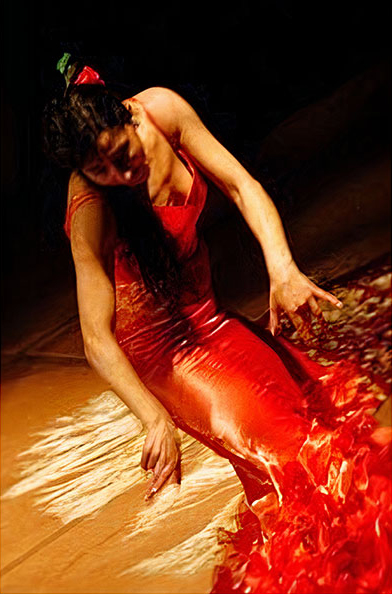
During the pandemic, Dance/NYC stepped forward to help the dance community recover.
Photo: Dance/NYC
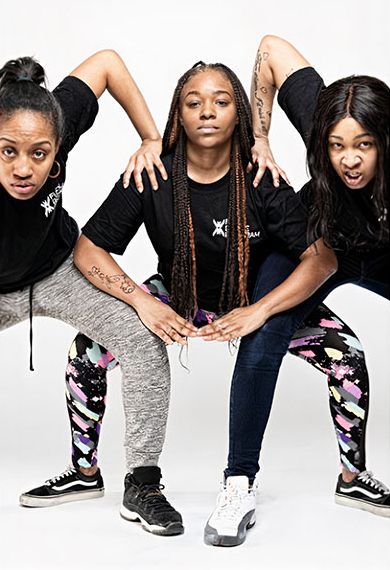
During the pandemic, dancers lost the ability to rehearse and perform.
Credit: Dance/NYC
DARKNESS RISING PROJECT
Darkness RISING: Live
Stigma around mental health is particularly significant in the Black community, where cultural barriers and financial constraints often prevent individuals from seeking necessary care. According to the American Psychology Association, only 5% of psychologists are Black, and about 10% of Black Americans are uninsured — factors that contribute to just one in three Black individuals who need mental health care actually receiving it.
Darkness RISING Project aims to improve the health and wellness of the Black community, raise awareness of mental health issues, empower and engage community members, and erase the negative stigma of mental health issues through resources, events, and services. Serving not only the Black community but also other communities of color, formerly incarcerated individuals, and the LGBTQIA+ community, Darkness RISING partners with mental health professionals, educators, and Black Broadway performers with personal mental health experiences to create workshops, events, and seminars that reduce stigma and connect people to mental health services.
Founder and Executive Director Carlita Ector shares that “I was experiencing mental health issues, but I was afraid to reach out for help because I’m Black. And once I did begin to seek help, I got fed up with all of the red tape, how expensive it is, and then how hard it can be to find someone who can meet our needs culturally,” Ector continued. “We often don’t know about them, or we don’t have access to these resources. So I wanted to create more access to resources for us.”
Population
BIPOC, System-impacted
Discipline
Music, Dance
First grant
2022
In 2018, Darkness RISING Project launched Darkness RISING: Live, a block party with performances by Broadway artists and musicians, food and apparel vendors, an African dance class, yoga, and information on available mental health resources. While on the surface the event might seem to be merely a performance, the audience members experience so much more.
“People think that they’re just coming out for a show, but we are also doing in-person signups for all of our free resources. We connect people with other wellness organizations in the neighborhood. We have a Black therapist speak about the importance of mental health support,” Ector said.
“We have different resources such as the Find Me a Therapist program,” says Antuan Byers, Darkness RISING Project’s operations director. “Anybody can log onto Darkness RISING Project and find a culturally competent therapist and tons of different resources to break the stigma in the Black community around mental health.”
“Stigma is one of the main reasons why I started the Darkness RISING Project”
Carlita Ector,
Founder and Executive Director
Darkness RISING Project

Darkness Rising Live events connect BIPOC audiences to culturally competent mental health resources.
Credit: Darkness RISING Project
In 2018, Darkness RISING Project launched Darkness RISING: Live, a block party with performances by Broadway artists and musicians, food and apparel vendors, an African dance class, yoga, and information on available mental health resources. While on the surface the event might seem to be merely a performance, the audience members experience so much more.
“People think that they’re just coming out for a show, but we are also doing in-person signups for all of our free resources. We connect people with other wellness organizations in the neighborhood. We have a Black therapist speak about the importance of mental health support,” Ector said.
“We have different resources such as the Find Me a Therapist program,” says Antuan Byers, Darkness RISING Project’s operations director. “Anybody can log onto Darkness RISING Project and find a culturally competent therapist and tons of different resources to break the stigma in the Black community around mental health.”
“Darkness RISING live events help reduce the stigma oftentimes associated with seeking mental health support through music, dance, and the activation of public space. They use joy as a tool to bring communities together,”
Kira Pritchard,
Program Officer
Laurie M. Tisch Illumination Fund
After reaching more than 5,000 participants at Darkness RISING: Live events before the pandemic, and then seeing the collective trauma of the pandemic and the aftermath of George Floyd’s murder, Darkness RISING Project experienced a surge of interest and need. It was time to expand.
A colleague connected Ector to the Illumination Fund’s open call for proposals.
In 2022, with support from the Illumination Fund, Darkness RISING: Live expanded to all five boroughs of New York City, which brought about more local partnerships for the organization and attendees alike. The block parties resulted in more than 100 downloads of Darkness RISING Project’s Black Mental Health Resource Packet and more than 150 people seeking a therapist through Darkness RISING Project’s Find Me a Therapist program.
In 2022 Darkness RISING launched its REBUILD program, which provides formerly incarcerated people of color with ten free therapy sessions with culturally competent therapists. Many of the people who help link participants to therapists, are also formerly incarcerated who share their experiences with mental health to better connect with and reassure participants.
“We are one of the few mental health nonprofits that provides free therapy sessions for formerly incarcerated Black people,” said Collin Howard, director of creative content.
“When we reviewed the proposal, we saw that Darkness RISING Project has such a deep understanding of the needs of the Black community and mental health […] Also, the integration of mental health care and the arts really shone through in its strategy to connect people to resources and facilitate access.”
Rick Luftglass
The Work and the Illumination Fund
The Work and the Illumination Fund
“Without that support from the Illumination Fund, we certainly would not have what we built with REBUILD. We get so many REBUILD signups because of this event,” Ector said. “Additionally, the Illumination Fund created a video that we now use for our fundraising.”
Additionally, by leveraging the Illumination Fund’s connection, Darkness RISING Project partnered with New York City’s Rikers Island jail complex to provide information to people upon their release, facilitating access to mental health resources. This program is one of the first of its kind and, with its deep impact on participants, affects a whole community.
The Illumination Fund’s support of Darkness RISING Project has fostered the organization’s growth, raised its visibility in activist and therapeutic communities, and provided ongoing support and collaboration.
“It’s so great to hear from the Illumination Fund about how important our work is to them and to witness how dedicated and committed they are to every grantee.” Being a part of the Illumination Fund’s Arts in Health grantee cohort has been indispensable to the organization’s overall success.
“It is one of my favorite things, I think, about being a grantee, to learn about other work that’s happening, because there’s always so much room for collaboration. Even when there’s not necessarily overlap in the type of work we do, I learned so much from them about their processes just by spending time with them,” Ector said.
Impact
Impact
Darkness RISING Project measures the results of its diverse set of programming through a variety of quantitative statistics — how many people have received therapy from the REBUILD program, therapy sessions funded, recidivism rates (less than 2%), number of formerly incarcerated participants completing a therapy course, and number of people matched with a Black therapist.
“The comments that we receive from the people who walk up to us during our in-person events and say, ‘Because of this event, I’m going to go talk to my aunt about therapy, and I’m going to let her know that I’m interested in starting,’ those are the types of impact that matter the most to us,” Ector said.
Darkness RISING Project’s impact is real, profound, and life-changing, J.M., a program participant, reported that he spent half his life in the system. “I knew that I would need an outlet to process my experiences and trauma,” he said. “REBUILD helped connect me with a tailor-fit local therapist and removed the burden of how to pay for the much-needed services. I refer people to REBUILD every single day!”
Additionally, Ector notes, many participants who complete the program are able to identify their triggers, work through their issues, and maintain employment.
The Case for Arts in Health
The Case for Arts in Health
As a small, Black-led organization, Darkness RISING Project faces unique challenges in the philanthropic space. Ector mentions the importance of creating funding opportunities for small organizations with small staff working within marginalized communities.
“We still need more funding for small nonprofits, and we still need more access to areas for training for nonprofit leaders, especially for nonprofit leaders in marginalized communities,” Ector said.
Darkness RISING Project illustrates the richness of the work that can be done at the intersection of arts in health. They not only provide enjoyable and educational experiences, but they guide people who need support toward culturally competent resources they may have not known existed or shied away from in the past.
Out of the darkness, it seems, rises light.
Support from the Illumination Fund helped Darkness RISING to:
- Expand its Darkness Rising: Live event
- Establish and maintain partnerships with local mental health organizations throughout New York City
- Provide a platform for its REBUILD program within New York City
Measuring Impact
Measuring Impact
Grantee-Level:
2022-2023 Darkness RISING:
- Harlem: 1,340 attendees; Brooklyn: 400; Queens: 600; Staten Island: 80; Bronx: 50, online 9,000
- 680 people downloaded the Black Mental Health Resource Packet
- 425 people accessed Findmeatherapist.org
Building Access
Building Access
- Provides free mental health resources and information to marginalized communities (BIPOC, LGBTQIA+, and formerly incarcerated individuals)In 2023, Darkness RISING Project connected more than 257 Black community members to Black therapists through Find Me a TherapistEnables formerly incarcerated individuals to receive ten free therapy sessions from culturally competent therapists› In 2023, Darkness RISING Project funded more than 422 therapy sessions for formerly incarcerated community members of color through REBUILD
Darkness Rising Project provides mental health resources and referrals
DE-CRUIT
New York City Program

Issue
The mental health needs of military veterans are largely underserved. Clinical and epidemiological data show that New York City’s military veterans have been disproportionately affected by the COVID pandemic physically, psychologically, and economically. These trends persist due to a constellation of vulnerability factors affecting veterans, including elevated rates of unemployment, homelessness, incarceration, and poverty.
Read More
Compounding these problems are veterans’ pre-existing mental health challenges, with post-traumatic stress disorder (PTSD) and depression rates greater than the general population. According to the US Department of Veterans Affairs’ 2023 National Veteran Suicide Prevention Annual Report, there were 6,392 Veteran suicide deaths in 2021, 114 more than in 2020. The impact of COVID-19 has also affected veterans in unique ways, most notably as a traumatic triggering event. For many of New York City’s veterans, the exposure to stress, injury, and ongoing loss of life — once witnessed in combat — is repeating itself during the pandemic. [LINK] That trauma is particularly prevalent for veterans in communities of color and low-income communities, where mental health problems resulting from the pandemic are not only more common, but also more likely to go untreated.
There is thus a need to expand and deliver mental health services to the city’s most vulnerable veterans in ways that are responsive to their needs and that acknowledge the strength and resilience in their communities. DE-CRUIT meets this need by using theater, premised on the philosophy that the arts are central to recovery, healing, and community transformation.
The Organization
Read More
DE-CRUIT is a New York City-based arts organization that uses theater to meet the mental health needs of military veterans. Founder Stephan Wolfert, a US Army veteran, named the organization to convey that “We were recruited and ‘wired for war’ but never DE-cruited and unwired from war.” Wolfert based DE-CRUIT’s approach on his own experience of using Shakespeare’s verses to heal from trauma. From its inception, the program has used principles from classical actor training, as well as verses and characters from Shakespeare’s plays, to allow veterans to better understand the timelessness of soldiers’ suffering.

Veterans in the program construct their own personal trauma narratives which they share with others in the group.
Credit: DE-CRUITt
Grant
Read More
Purpose: To support DE-CRUIT’s theater workshops that utilize Shakespeare’s plays to spark dialogue and address the mental health needs of veterans of color, low-income, and formerly incarcerated veterans in New York City.
DE-CRUIT is an evidence-based, veteran-led program that combines theater and psychotherapy to treat trauma in veterans. The model uses theater and specific techniques from classical acting training in combination with empirically established trauma treatment techniques from cognitive processing therapy and narrative therapy to address post-traumatic stress in veterans.
Using Shakespearian monologue form, veterans in the program construct their own personal trauma narratives which they share with other veterans in the group through a systematic, stepwise process. Each cohort finishes the program in a performance for an audience of the veterans’ family, friends, and community members. This culminating performance emphasizes the communalization of trauma that the psychological literature has identified as essential in fostering veterans’ healing and reintegration into civilian life. The Illumination Fund’s grant is being used to implement and evaluate the program online and at the Bronx Veterans Administration Center.
Impact
Read More
DE-CRUIT’s ongoing research, undertaken by NYU’s Advocacy & Community-based Trauma Studies lab headed by Dr. Alisha Ali, has demonstrated significant decreases in PTSD and depression, as well as increased self-efficacy. [LINK] Electroencephalogram and heart rate variability readings show significant reduction in stress. Participants also report feeling less isolated and more engaged with community. The New York City program is currently being evaluated with support from the Illumination Fund and the National Endowment for the Arts Creative Forces Military Healing Arts Network.
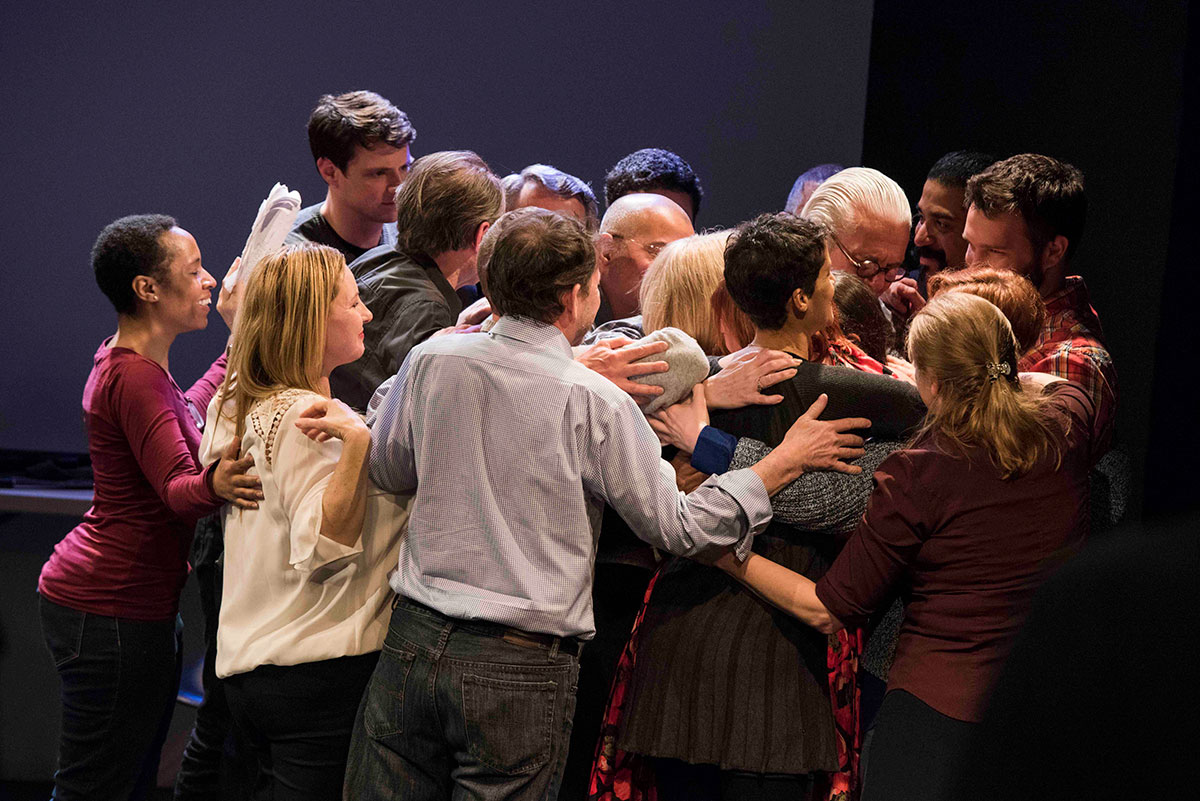
Participants report feeling less isolated and more engaged with community.
Credit: DE-CRUIT
FOUNTAIN HOUSE
Fountain House Gallery and Studio

Issue
People living with severe mental illness suffer not just from the effects of their illness but also from stigma and isolation.
The Organization
Read More
Founded in 1948, Fountain House designs therapeutic environments in New York City that integrate healthcare, social interventions, professional development, and supported housing for adults living with a serious mental illness. Members voluntarily join Fountain House, becoming part of “clubhouses” that foster belonging and acceptance Here, members actively participate in their own and each other’s recovery, they contribute their talents, learn new skills, access opportunities, and forge friendships.
In 2000, Fountain House launched Fountain House Gallery to showcase and sell members’ artworks, collaborating with a wide network of artists, curators, and cultural institutions. In 2017, the program expanded with the establishment of Fountain House Studio in Long Island City. Queens Doubled in size in 2023, the Studio further supports the professional practice of “member-artists.”
Grant
Read More
Purpose: To support Fountain House Gallery and its Studio Program.
The Illumination Fund supports Fountain House Gallery and Studio Program, which aims to deliver exposure for member artists, build their professional skills, and break the stigma associated with serious mental illness.
Impact
Read More
The Illumination Fund supported the establishment and growth of the Fountain House Studio for artists, the Artists-in-Residence program, classes and workshops. These initiatives have offered members training, education, and opportunities for artistic development and mental health recovery. 2023 highlights:
- 25 more exhibitions than 2022
- 170 artwork submissions (an increase of 13% over 2022)
- 51 members onsite at the studio, an 25% increase
- over 2 years
- 10 member-led art making workshops
- In-person participation of 40 members per week for gallery volunteering, meetings, etc.
- 50 in-person Studio One (workshop) sessions
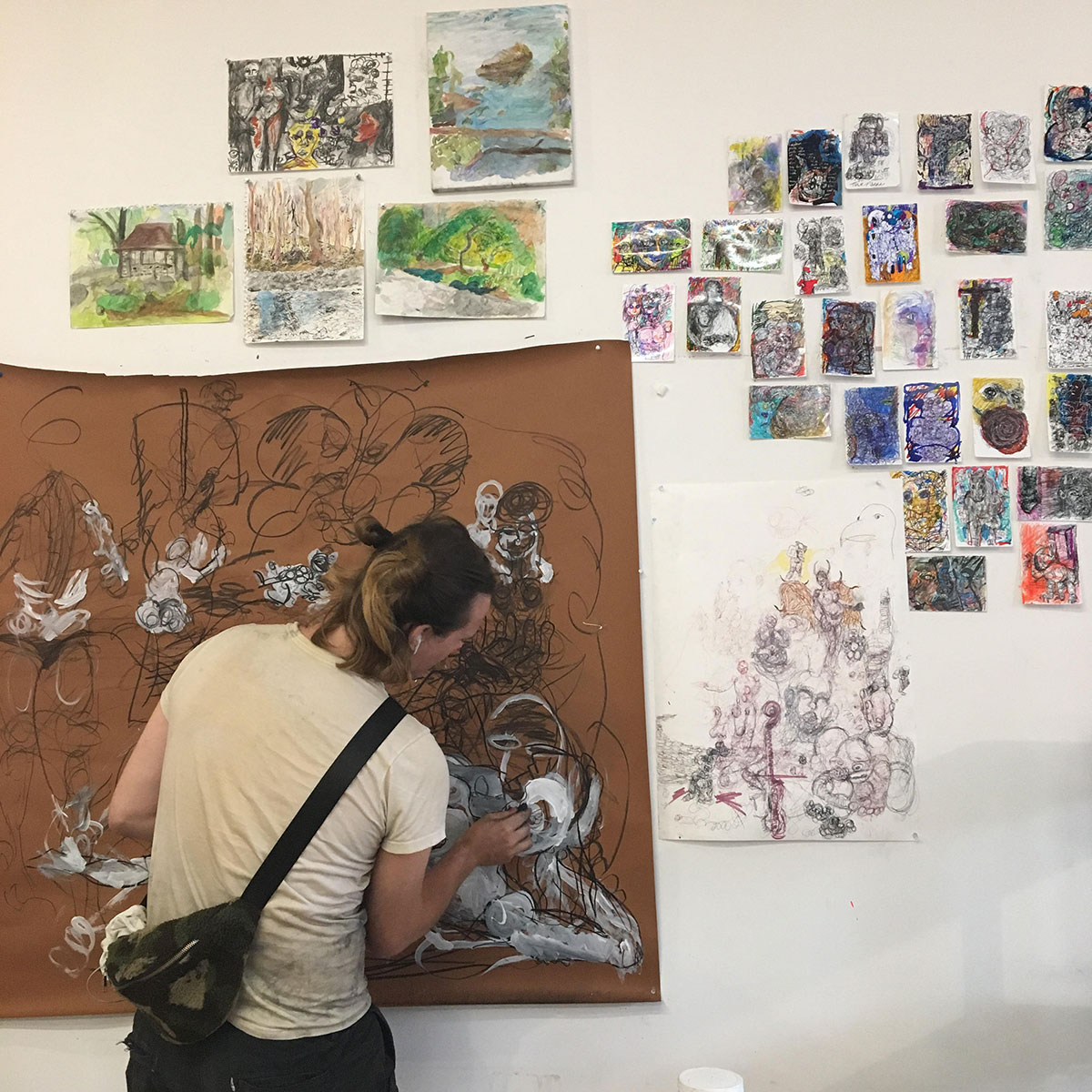
Fountain House Gallery and Studio offers classes and workshops for artistic development and mental health recovery, as part of Fountain House’s larger continuum of care.
Credit: Fountain House

Fountain House Gallery & Studio provides supports careers and growth of artists with mental illness
GIBNEY
Community Action

Founded in 1991 as a dance company by Artistic Director and CEO Gina Gibney, the organization’s mission is to tap into the vast potential of movement, creativity, and performance to effect social change and personal transformation. Intimate partner violence emerged as a key area of need early in the trajectory of the company’s programming.
“Back in 1999, I read a statistic that really changed my life: that a woman is safer on the streets than she is in her own home,” [LINK] Gina Gibney explained. “I started to think about what domestic violence survivors were facing. The deep emotional scars, the utter loss of self-confidence, the trauma at the hands of someone that you love. You’re paralyzed.” [LINK]
Intimate partner violence cuts across all communities and gender identities, but women are disproportionately impacted. According to the Centers for Disease Control and Prevention (CDC), one in four women have experienced severe physical violence by an intimate partner during their lifetime. [LINK] The reported victimization rate in New York City is highest for Black women. Black women account for 12% of the city’s population, but a 2021 report indicated that they accounted for 34% of reported intimate partner felony assault victims. [LINK] The pandemic exacerbated the problem. In 2022, the number of domestic violence victims increased by 8.5% in New York City relative to 2019. [LINK]
The trauma of intimate partner violence leaves lasting effects that are difficult to address. It is strongly associated with post-traumatic stress disorder (PTSD), depression, anxiety, and substance abuse.[LINK] Fear and stigma attached to intimate partner violence prevents many people from seeking help.
Population
Survivors of Gender-Based Violence, Youth
Discipline
Dance
First grant
2017

For survivors of intimate partner violence, dance becomes a way to reconnect with and reclaim one’s own body.
Credit: Gibney
Gibney Community Action
Gibney Community Action
Over two decades ago, Gina Gibney founded the Community Action pillar of Gibney Company, collaborating with social service agencies and survivors to create a unique movement program supporting the healing of those impacted by intimate partner violence. In 1999, Gibney launched the Move to Move Beyond® workshops in partnership with Sanctuary for Families. These trauma-informed sessions, led by trained dancers, help participants reconnect with their bodies, build community, and practice self-care.
Today, Gibney is a dance company, performing arts hub, and social action incubator, hosting thousands of artists and community members across two NYC locations with 23 studios and five performance spaces. Gibney now partners with numerous organizations, offering 100 Move to Move Beyond® workshops annually in domestic violence shelters and partner sites to support people affected by domestic and gender-based violence.
In response to the CDC’s findings that a majority of intimate partner violence victims were first victimized before age 25, in 2014 Gibney, in partnership with Day One and the Mayor’s Office to End Domestic and Gender-Based Violence, developed the Hands are for Holding® program. This youth-centered violence prevention initiative uses dance and movement to engage youth in conversations about healthy relationships, expanding annually to reach more schools and community partners.
As one youth participant shared: “One thing I will remember from this workshop is what is healthy and what is unhealthy [in a relationship].”
From Survivors to Leaders
From Survivor Leaders to Move to Move Beyond® Storytellers
Some of the participants in Move to Move Beyond® wanted to take a public role as peer advocates using their artistry, so Gibney created a group of Sanctuary for Families Survivor Leaders to offer a series of performances and advocacy opportunities to inspire broader communities. The Survivor Leaders share their truths, touching and transforming witnesses through performance and storytelling. The participants renamed themselves Move to Move Beyond®Storytellers, illuminating the capacity and need for positive change.
“We have an opportunity to share our painful processes and talk about things that are relevant to each of us, “a program participant shared.” Together, it becomes something different; it helps us move further away on the other side of the pain, which is essentially the healing process.”
One of the first public performances of the Survivor Leaders took place in 2018 at The Role of the Arts in Addressing Trauma, an Illumination Fund convening during the first year of the Arts in Health initiative. Held at Hostos Community College for an audience of about 400, the convening demonstrated the power that performances could have. “Gibney is a prime example of an arts organization addressing trauma and conducting public-facing performances to demonstrate how art can be used to heal and to raise awareness of health and social justice issues,” said Rick Luftglass. “Stepping into an advocacy and education role is bold, and it shows the profound impact of the program for the participants.”
In 2020, with support from the National Endowment for the Arts and the Illumination Fund, Gibney partnered with Sanctuary for Families and Teachers College, Columbia University to conduct the first-of-its-kind randomized controlled study exploring the impact of dance and movement on the mental health and well-being of survivors of intimate partner violence. As the study began, Gibney found the partnerships formed within the Arts in Health cohort to be supportive.
“The clinical trial was really new for us, and even with my research background in psychology, it was big,” said Yasemin Özümerzifon, Senior Director of Gibney Community Action. Through the Arts in Health cohort, Yasemin connected with David Leventhal of Dance for PD® and gained insight into his experience of dance research, which helped inform her own. And Özümerzifon shared, “We couldn’t have done this work without the expertise of Dr. Allison Ross, senior deputy director at Sanctuary for Families, and Dr. Carol Ewing Garber, professor of Movement Sciences, director of the Graduate Program in Applied Physiology at the Teachers College, Columbia University.”
Pandemic Response
Pandemic Response
In 2020, as lockdown descended, Gibney immediately reached out to their partners to survey the needs of gender-based violence victims and survivors — many of whom were in situations where they were forced to stay in unsafe conditions due to pandemic isolation orders.
The United Nations described increased violence against women during the pandemic as a “shadow pandemic,” and the National Commission on COVID-19 and Criminal Justice reported an 8% increase in domestic violence in the United States in 2021. [LINK]
Özümerzifon stated, “Another thing that became clear for us is that there were a lot of immediate needs for safety and survival, such as where to get food, and we started adding those to our resources, as well as baseline safety protocols.”
In the early days of the pandemic, the arts community in New York City was severely impacted and performing artists lost their ability to rehearse, perform, and earn money. The Illumination Fund increased its support to Gibney to help launch OKAY, Let’s Unpack This, an initiative created by Leal Zielińska, artistic associate at Gibney, with the dual goal of normalizing and destigmatizing the conversation surrounding mental health in the dance field and increasing dancers’ access to mental health support resources. Between 2020-2021, the initiative provided more than 230 sessions of individual therapy to the national dance community with culturally competent therapists who have specific experience in working with dancers. The initiative has also provided Gibney staff with individual therapy on an ongoing basis.
Meanwhile, Gibney pivoted Move to Move Beyond® to an online format and restructured the research study to reflect the new reality of the pandemic, yielding the manuscript, Exploring a Dance/Movement Program on Mental Health and Well-Being in Survivors of Intimate Partner Violence During a Pandemic, published in Frontiers in Psychiatry. [LINK]
The results of the study illustrated the impact of movement on survivors of intimate partner violence, as those who participated experienced improved mood and reduced tension. With symptoms of post-traumatic stress disorder and psychological distress lessening, each participant left the program with a new set of self-care habits and tools. More importantly, the study showed the effectiveness of Move to Move Beyond® in a digital format, allowing survivors who may not have access to Gibney’s physical space an opportunity to reap the benefits of the program.
Like many of the other Arts in Health grantees, even as the pandemic waned, Gibney has continued digital programming to provide greater access for communities.
Impact
Impact
Gibney’s impact is evident through both qualitative and quantitative measures, including participant feedback, partner organization testimonials, and metrics like the number of workshops, participants, and partners. Notably, a clinical trial confirmed the effectiveness of Gibney’s methods, providing evidence-based validation that has bolstered the work of other arts organizations at the intersection of arts and health, and encouraging further research funding.
The trial revealed significant benefits for Move to Move Beyond® participants, including enhanced self-connection, expression through movement, community building, stress relief, positive emotions, and the adoption of self-care practices into daily life. Participants discovered new, beneficial ways to express themselves through movement.
In addition to the formal evaluation of Move to Move Beyond®, Gibney continually assesses Hands are for Holding®.
Students who experienced Hands are for Holding® expressed that the opportunity to connect with movement was powerful, both as a self-care tool and to learn what healthy relationships entail.
Support from the Illumination Fund helped Gibney’s Community Action to:
- Maintain and expand its programming
- Establish the Move to Move Beyond®Storytellers work as a program with ongoing programming
- Increase the number of “Community Actionists” (specially trained dancers) for Hands are for Holding® programming
- Maintain relationships with domestic violence and gender-based violence institutions across New York City
- Increase resources provided on Gibney’s Community Action Hub
- Expand COVID-19 response in programming
- Provide free therapy session to Gibney professional dancers
- Conduct the NEA clinical trial in conjunction with Teachers College, Columbia University and Sanctuary for Families
Building Knowledge
Building Knowledge
- Gibney published “Exploring a Dance/Movement Program on Mental Health and Well-Being in Survivors of Intimate Partner Violence During a Pandemic” in Frontiers in Psychiatry, the second most-cited journal in the field of psychiatry with 38 million views internationally. It was also republished on the National Institute of Medicine’s National Library of Medicine public access website.
- The findings point toward the meaningful and effective role (choice, self-expression, trust-building, sharing) dance and movement can have in addressing trauma as a complementary tool to social services.
- Yasemin Özümerzifon joined Rick Luftglass for panels at Grantmakers in the Arts and United Philanthropy Forum, where some Move to Move Beyond Storytellers performed, and presented at the American Psychological Association moderated by Sunil Iyengar, Research and Analysis Director for the National Endowment for the Arts.
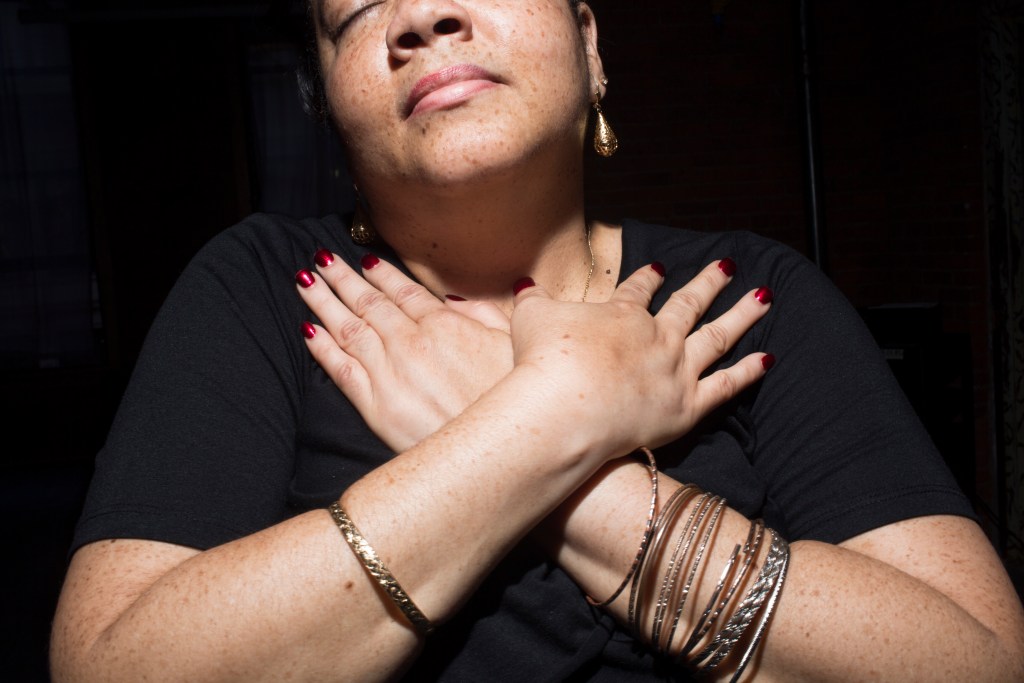
A clinical trial confirmed the effectiveness of Gibney’s Move to Move Beyond® with program participants reporting enhanced self-connection, stress relief, positive emotions, and the adoption of self-care practices.
Credit: Gibney
Measuring Impact
Measuring Impact
- Reaching over 12,000 survivors through the Move to Move Beyond® program in all five boroughs since 1999
- Reaching over 40,000 participants through the Hands are for Holding® program in all five boroughs
- Move to Move Beyond® Storytellers reaching an audience of over 4,000 people
Through Gibney’s Move to Move Beyond® Client Survey, Gibney learned that:
- Before the workshop, 68.2% of clients reported feeling tired, 36.4% reported feeling nervous/anxious and 34.1% reported feeling stressed
- After experiencing the workshop, 65.9% of clients reported feeling relaxed, 43.4% reported feeling energized, and 40.9% reported feeling inspired
- Additionally, 97.7% reported that the workshop helped them connect with others, 100% reported that it helped them connect with themselves, and 86.1% reported that they are likely to try the self-care techniques on their own outside of the workshops
Gibney, in partnership with Sanctuary for Families and Teachers College, Columbia University, conducted a National Endowment for the Arts-funded study on the Move to Move Beyond® program. Conducted over 12 virtual sessions during the pandemic, this first randomized trial for survivors of intimate partner violence, revealed:
- Significant reductions in PTSD symptoms and psychological distress
- Improved mood
- Reduced tension
Participants found new ways to:
- Express themselves
- Attune to their bodies
- Learn new self-care habits, and
- Build community
ID STUDIO THEATER
Bilingual Healing Arts Initiative

Issue
The South Bronx neighborhood where ID Studio Theater is based is the poorest congressional district in the country. The community is vulnerable to risk factors for poor health outcomes, including poor air quality, limited access to healthy food options, and insufficient health services. Combined with the effects of COVID-19, the community continues to face high levels of stress, grief, and anxiety.
Read More
Montefiore Medical Center’s 2018 Mental Health Dashboard highlighted that 91% of the Bronx population insured by Medicaid lives in a Mental Health Shortage Area, meaning that access to mental health services is limited. Considering the stigma around mental health, combined with language barriers and low accessibility of health services, it is critical for community organizations to fill in the gaps. Health disparities will continue to be exacerbated if the community is not given the tools and support to combat the challenges they face.
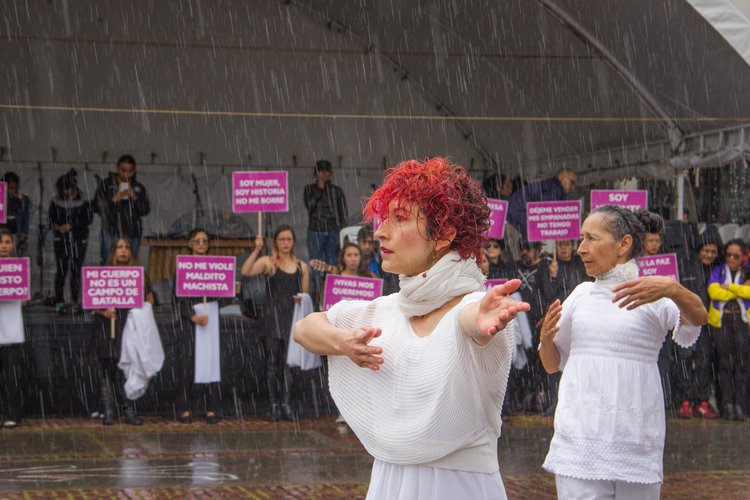
The performing arts are used as a vehicle for personal and community healing.
Credit: ID Studio Theater
The Organization
Read More
ID Studio Theater is a South Bronx-based immigrant arts organization committed to the empowerment of Latinx and immigrant communities. ID Studio Theater unites artistic excellence with social justice, developing new artistic works through a deeply collaborative workshop process with diverse Latinx community members. The organization employs the performing arts as a foundation for catalyzing community awareness, collective action, and intercommunity dialogue. ID Studio Theater has developed more than 25 bilingual theater and music productions within immigrant communities throughout New York City and beyond.
Grant
Read More
Purpose: To support the expansion of ID Studio’s Bilingual Healing Arts Initiative.
The Bilingual Healing Arts Initiative uses the performing arts as a vehicle for personal and communal healing, in collaboration with health professionals and service organizations. The initiative brings culturally relevant arts workshops to the community’s local hospitals, health centers, schools, senior centers, and service organizations to help patients and other participants cope with the mental and emotional difficulties caused by structural violence and the tensions of the COVID-19 pandemic. The initiative includes music, dance, theater, movement, meditation, memories, and art.
Impact
Read More
ID Studio Theater conducted community programs with bilingual healing arts workshops. In partnership with the Northern Manhattan Improvement Corporation’s Domestic Violence Services Project, programs included a trauma-informed workshop using elements of theater to help individuals navigate emotional and psychological hurdles in order to reframe their personal narrative. Twenty immigrant women from the Bronx and Queens participated.
Colección Creativa (Collective Creation) Theater Workshops, as part of the 20th anniversary Ferias y Fiestas project, brought theater, music, and dance into community streets and public spaces. This has enabled ID Studio Theater to reach broader audiences, particularly with community members who might not feel comfortable entering traditional theater spaces. Based on the success of the theater workshops, ID Studio Theater added poetry and playwriting workshops.
ID Studio Theater also worked with NYC Health + Hospitals/Lincoln. Incoming residents came to ID Studio Theater for an interactive presentation about the community, the role of the arts, and the rich cultural legacy of this section of the Bronx.

Arts programming complements and enhances the healing process.
Credit: ID Studio Theater

Culturally relevant arts workshops in local hospitals, health centers, schools, and senior centers foster bonds across the age spectrum.
Credit: ID Studio Theater
INDIESPACE
Mental Health Initiative

Issue
By its nature, theater work is episodic, and independent theater companies work at the margins. Theater artists move from one production to another, sometimes with big gaps between shows, and they are often underinsured. This can create income insecurity as well as concurrent mental health challenges. At the beginning of the pandemic, IndieSpace realized that there was a great demand for mental health support for independent theater artists who had lost wages, work, and community.
The Organization
Read More
IndieSpace celebrates and centers independent theater-making in New York City by providing radically transparent, responsive, and equity-focused funding, real estate programs, professional development, and advocacy to individual artists, theater companies, and indie venues.
Public-facing projects, include gallery/outdoor exhibitions, social media campaigns, and publications.
Grant
Read More
Purpose: To support IndieSpace’s Mental Health Initiative, including micro grants, which primarily serves BIPOC, LGBTQIA+, disabled, and immigrant individual artists.
In Spring 2020, in response to pandemic isolation, IndieSpace began offering free, virtual mental health sessions with licensed mental health practitioners, called Community Care sessions. Through their Mental Health Micro Grants, IndieSpace offers financial support to BIPOC, LGBTQIA+, disabled, and immigrant artists to cover individual mental health expenses. Grants can be used for a range of mental health services including medication costs, one-to-one therapy, retreats, classes, and workshops.
Impact
Read More
As of September 2024, IndieSpace has awarded over 1,000 Mental Health Micro Grants, totaling $500,000 in support. More than 70% of applicants and grantees identify with at least one historically excluded group, including the Global Majority (BIPOC), d/Deaf, people with disabilities, LGBTQIA+ people, and immigrants. These artists use their IndieSpace micro grants in varied and personal ways, but in general, the money has augmented grantees’ security and ability to pursue their work during uncertain times.
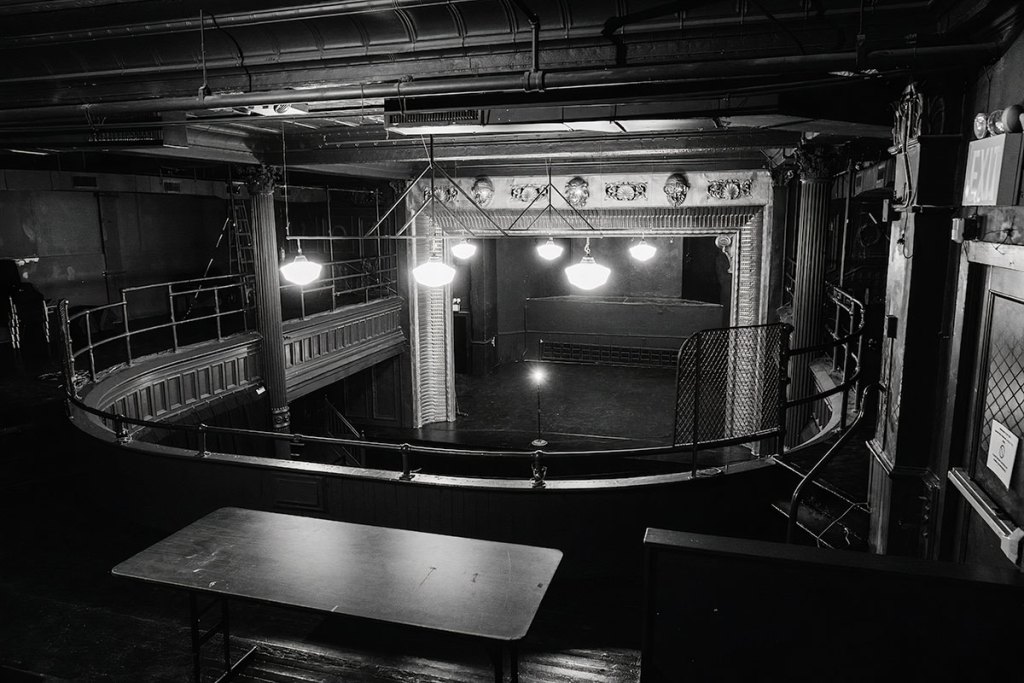
Theaters went dark during the pandemic, which created unemployment and mental health challenges.
Credit: IndieSpace
KUNDIMAN
Trauma-Informed Creative Writing Workshops
Issue
COVID-19 has been devastating to the Asian American and Pacific Islander (AAPI) community. From 2020 through 2022, members of the AAPI community reported more than 11,400 hate acts to the organization Stop AAPI Hate, including assault, harassment, and discrimination. [LINK] The rise in anti-Asian rhetoric and an unequal distribution of resources have exacerbated the systemic violence that AAPI communities continue to endure.
Read More
Data collected from the National Latino and Asian American Study found that Asian Americans have a 17% overall lifetime rate of psychiatric disorder, three times that of their White peers. In 2019, suicide was the leading cause of death for Asian Americans ages 15 to 24, and only 9% of Asian Americans sought any type of mental health services or resource compared to nearly 18% of the general population nationwide. [LINK]
Further, because many Asian American writers’ backgrounds include direct or indirect experience of war, torture, colonization, and forced escape, the barriers to writing may be internal, connected to intergenerational trauma. Asian American writers also face external challenges, including barriers to resources, cultural isolation, and a lack of visibility.
Asian Americans who have experienced racism have heightened symptoms of depression, anxiety, and stress. More than one in five Asian Americans who have experienced racism displays racial trauma, the psychological and emotional harm caused by racism, and the experience of racism during COVID-19 is found to be more strongly associated with symptoms of post-traumatic stress disorder. [LINK] Yet, there is long-standing cultural stigma against seeking professional help for mental health issues. [LINK]
The Organization
Read More
Kundiman is dedicated to nurturing generations of writers and readers of Asian American literature, using the literary arts as a tool of healing, empowerment, education, and liberation.
Grant
Read More
Purpose: To support trauma-informed creative writing workshops and an annual retreat for the Asian American writers’ community.
Kundiman’s programs include a Bronx-based retreat, online creative writing classes and workshops, and readings and panels across New York City.
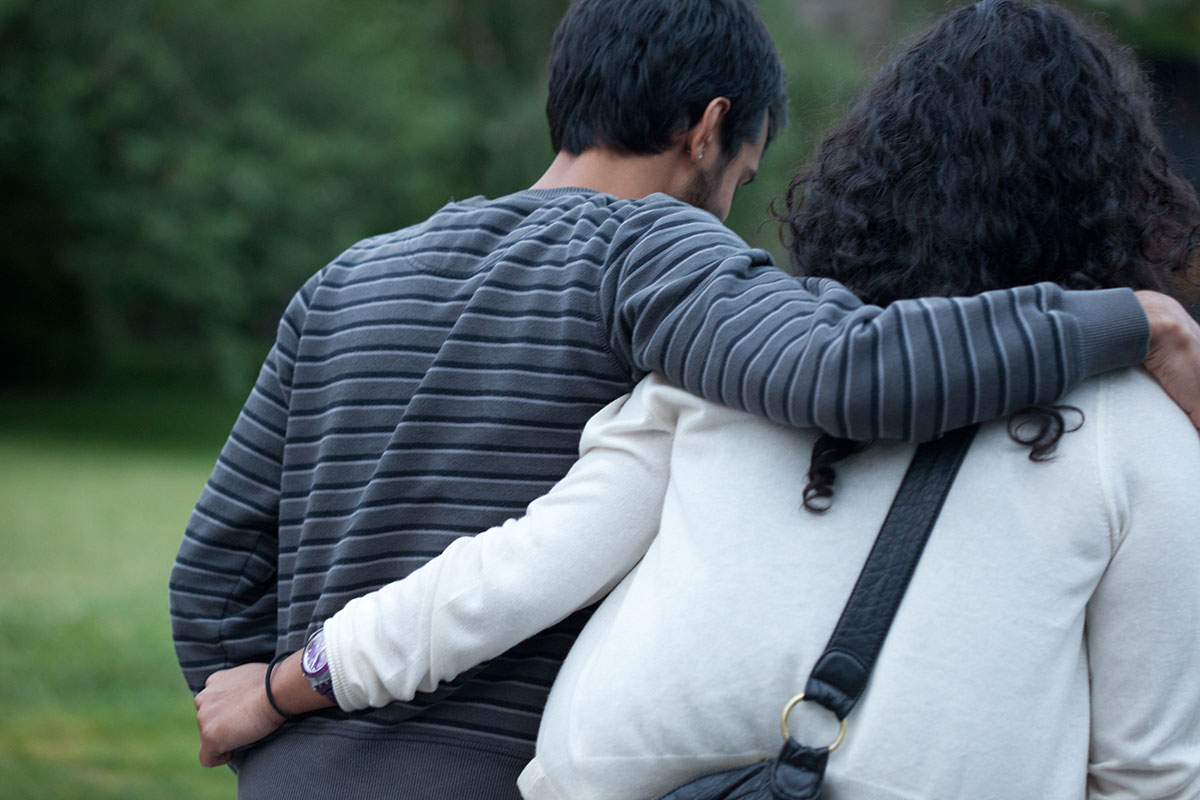
Kundiman integrates a trauma-informed approach to all of its programming.
Credit: Kundiman
Impact
Read More
Since 2004, Kundiman’s signature Asian American Writing Retreat, a five-day in-person community-building and writing space, has taken place annually. The only program in the United States specifically for Asian American writers, the retreat has welcomed more than 300 fellows and 50 faculty members. As a response to the pandemic and rise of anti-Asian sentiment, Kundiman has centered mental health at their workshops and annual retreat and integrated a trauma-informed approach to all programming.
In 2023, as part of its trauma-informed creative writing workshops for the Asian American community, Kundiman continued to work with its mental health consultant; audit its annual retreat through a trauma-informed lens; offer Mental Health First Aid training for retreat staff; and update its harm management guide, harassment policy, complaint form and guide, and community guidelines.

As a response to the pandemic and anti-Asian sentiment, Kundiman now centers mental health at its annual Asian American Writing Retreat.
MEKONG NYC
Culture and Community-Building Programs
Issue
According to the US Department of Health and Human Services’ Office of Minority Health, Southeast Asian refugees are at risk for post-traumatic stress disorder (PTSD) associated with trauma experienced before and after relocation to the US. [LINK] One study found that 70% of Southeast Asians receiving mental health care were diagnosed with PTSD.
Read More
The impact of the Cambodian genocide, Vietnam war, and the trauma from those events is intergenerational.
Approximately 90% of artists, musicians, actors, dancers, and intellectuals were killed by the communist Khmer Rouge regime, which envisioned a new Cambodia that “must be freed from all outside influence and any remnant of what they considered decadent culture.” As a consequence, cultural traditions were virtually extinguished, and contemporary culture was halted. In refugee communities, sustaining language and traditions that were vital to the community’s identity — and passing them down to younger generations — became imperative.
The Organization
Read More
Mekong NYC is a social justice organization that brings dignity and value to the lives of Southeast Asians in the Bronx and throughout New York City. This is accomplished through community organizing and movement-building, centering healing through arts and culture, and creating a strong safety net rooted in community power.
Kundiman is dedicated to nurturing generations of writers and readers of Asian American literature, using the literary arts as a tool of healing, empowerment, education, and liberation.
Grant
Read More
Purpose: To support arts programs that are part of Mekong NYC’s approach to community resilience, healing, and activism.
The Illumination Fund provided general operating support for arts-based programs, including:
- The Summer Intergenerational Program and its collaborative art projects, which foster communication between youth and adults, providing another way to express feelings, share experiences, and explore ideas. Art forms vary year to year, and have included photography, mural painting, podcasts, and mask-making.
- A collaboration with Cambodian Living Arts, a Cambodia-based organization, hosting artists in the US and cultivating relationships between Cambodian Living Arts and individuals who were deported from the US to Cambodia as part of the US government’s immigration and refugee policy.
- A collaboration with Urban Khmer Ballet, an LGBTQIA+ dance troupe that creates art that ignites critical conversations on traditions, post-colonialism, neo-classical dance, and their evolution. This program produces both traditional and groundbreaking contemporary performances, incorporating new techniques, movements, and music while drawing inspiration from past literature and dance. By reimagining classical dances, Urban Khmer Ballet produces one-of-a-kind performance art that aims to inspire the next generation of artists, and more importantly, unveils the generational complexities of traditional and contemporary art.
- A collaboration with Watt Samaki Dance Troupe, comprised of youth practicing traditional Cambodian dances originating from the Angkor era. The dances are deeply rooted in Cambodian culture and traditions.
- Coordination of significant cultural events, like Tet (Lunar New Year), Cambodian New Year, and Tet Trung Thu (Mid-Autumn Moon Festival).
- Dance and music classes for youth and adults to share and sustain cultural traditions to build community cohesion and pride.
- Coordination of a Women Circle to create a space for participants to engage in community building and healing, deal with traumas of the past or current distress, celebrate life, and create new leaders in the community.
Impact
Read More
In 2023, Mekong NYC ran six ten-week-long đàn tranh (Vietnamese zither) lessons via Zoom and in-person, teaching beginner to advanced courses across folk songs, tuning, and notation. In partnership with Southeast Asian Defense Project, Mekong NYC advanced its Storytelling Project with staff and youth fellows participating in three train-the-trainer workshops and four one-on-one interviews with Cambodian and Vietnamese community members. The audio transcripts are being prepared for a published anthology.

Arts programs are part of Mekong NYC’s approach to community resilience, healing, and activism.
Credit: Mekong NYC
NYC DEPARTMENT OF HEALTH AND MENTAL HYGIENE
NYC Mural Arts

Issue
In New York City, one in five adults experience a mental health disorder each year. [LINK] Despite progress in reducing stigma around certain mental illnesses, such as depression and anxiety, stigma remains a barrier to seeking care. Research indicates that up to 40% of people with mental health issues avoid care due to stigma. [LINK]
Read More
There is some indication that there has been progress in combating stigma against particular forms of mental illness such as depression and anxiety. A 2019 survey by the American Psychological Association concluded that Americans are becoming more open about mental health, finding “a willingness to be more open about mental illness, as well as a strong belief among older respondents that having a mental disorder is nothing to be ashamed of.” But the survey also revealed that “despite this welcome news, some stigma still persists. A third of respondents agreed with the statement, ‘people with mental health disorders scare me,’ and almost 40% said they would view someone differently if they knew that person had a mental health disorder.”[LINK]
The Organization
Read More
The NYC Department of Health and Mental Hygiene administrated the NYC Mural Arts Project in collaboration with community-based mental health service providers including: Brooklyn Community Services, Services for the UnderServed, Acacia Network, VIP Community Services, Community Access, Fountain House, and Venture House Staten Island. Fund for Public Health in New York served as the fiscal partner for the Illumination Fund’s grant.
The program, inspired by the Philadelphia Mural Arts Porch Light initiative, aims to reduce mental illness stigma by fostering community conversations and increasing public awareness of mental health services.
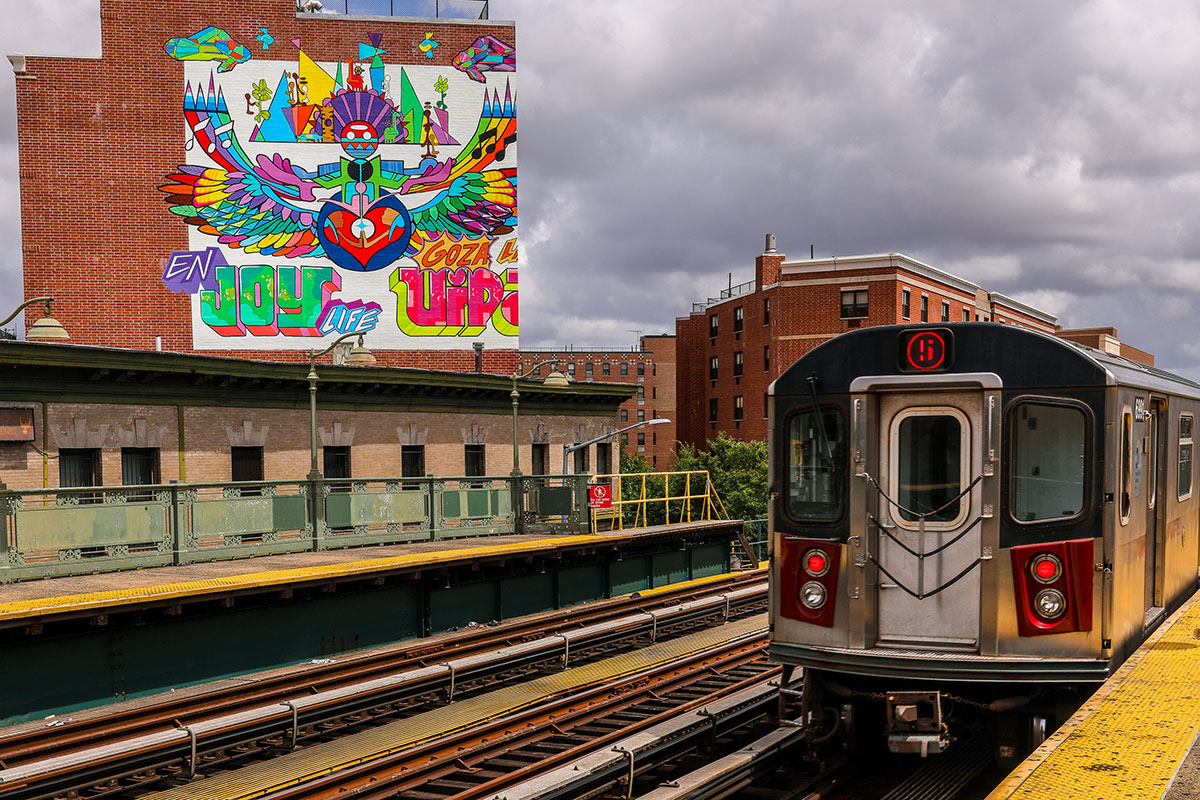
The NYC Mural Arts Project aims to reduce mental illness stigma by fostering community conversations and increasing public awareness of mental health services.
Credit: NYC Department of Health and Mental Hygiene
Grant
Read More
A one-year grant from the Illumination Fund supported the development of a facilitation manual and impact evaluation tool for certified peer specialists and mural artists. This guide standardized the process across mural sites, ensuring consistent mental health discussions, improving program quality, and enabling impact assessments.
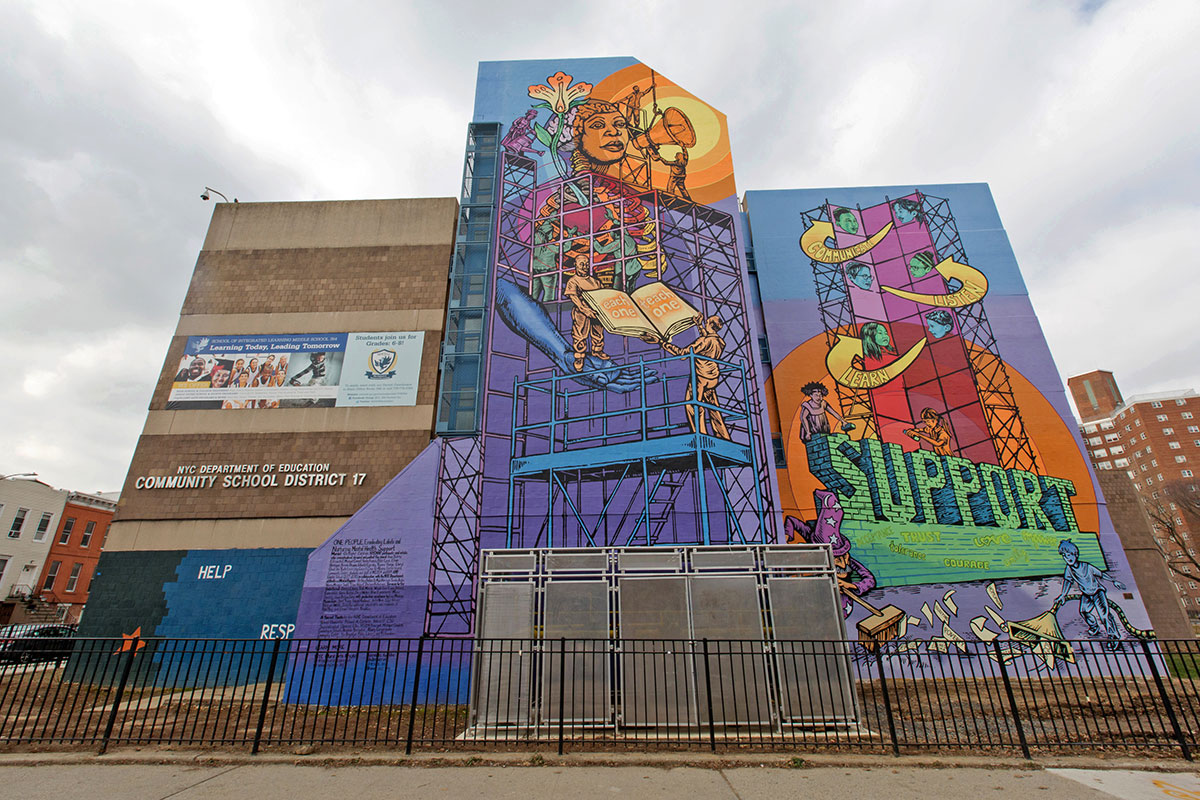
A facilitation manual has standardized the mural-making process across sites, ensuring consistent mental health discussions, improving program quality, and enabling impact assessments.
Credit: NYC Department of Health and Mental Hygiene
Impact
Read More
Before the facilitation manual was developed, the methodology, discussions, training, and metrics varied across mural sites, making it difficult to assess results consistently. Recognizing this challenge, the NYC Mural Arts Project enlisted psychologist Patrick Corrigan editor of the journal Stigma and Health, to create a standardized facilitation manual. This manual ensures consistent mental health discussions, improves the quality of activities, and allows for effective impact assessments across all sites. The NYC Mural Arts Project, which concluded in 2023, used interpersonal contact to reduce stigma. The project involved 20-25 community engagement events per mural, encouraging open discussions about mental health. The introduction of the facilitation manual led to:
- Increased questions and disclosures about mental illness.
- Greater interest in peer specialist roles and mental health resources.

PREGONES / PUERTO RICAN TRAVELING THEATER
Abrazo/Embrace for Mental Health
“The first year of COVID-19 brought unprecedented and familiar challenges to our theater and the communities we serve,” said Jorge B. Merced, Associate Artistic Director of Pregones/Puerto Rican Traveling Theater (PRTT). “The pandemic deeply affected working families and people of color in NYC and the Bronx, leading to increased mental health issues, including depression and anxiety.”
Founded in 1979, Pregones and the Puerto Rican Traveling Theater (PRTT), established in 1967, have long empowered underrepresented Latinx artists and audiences. Merging in 2014, they have collectively premiered over 200 plays, hosted 700 guest artists, and conducted 1,500 tours.
In 2021, the team at Pregones/PRTT applied for a grant through the Illumination Fund’s open call for proposals to launch Abrazo/Embrace for Mental Health, to raise awareness about post-COVID mental health crises and connect Bronx residents with services. Abrazo/Embrace builds on Pregones/PRTT’s history of issue-based theater. The theater group launched AIDS prevention education programs in the 1980s and ‘90s and has tackled domestic/relational violence across generations with a cadre of short plays. This interactive forum theater model allows audiences to suggest alternative actions for characters, helping them confront issues they might otherwise avoid.
“One of the reasons we decided to make mental health one of the focuses of the programming this year,” said Merced, “had to do with coming out of COVID and the pandemic and the isolation that many of our communities were experiencing.”
The team selected playwright Alejandra Ramos Riera to spearhead the initiative.
Population
Latinx
Discipline
Theater
First grant
2022
“Interactive theater is a way to address issues that are pressing in the community,” said Arnaldo J. Lopez, PhD, managing director of Pregones/PRTT. “This project is a way to help us all move forward in health.”
In the Forum Theater model, the actors perform a short play in which a central character encounters an obstacle. After the performance, the audience suggests alternative options for how the character might have addressed the obstacle.[LINK] The model helps audiences surface an issue or tension that they may not have otherwise been comfortable addressing.
“Interactive theater is a way to address issues that are pressing in the community,” said Arnaldo J. Lopez, PhD, managing director of Pregones/PRTT. “This project is a way to help us all move forward in health.”
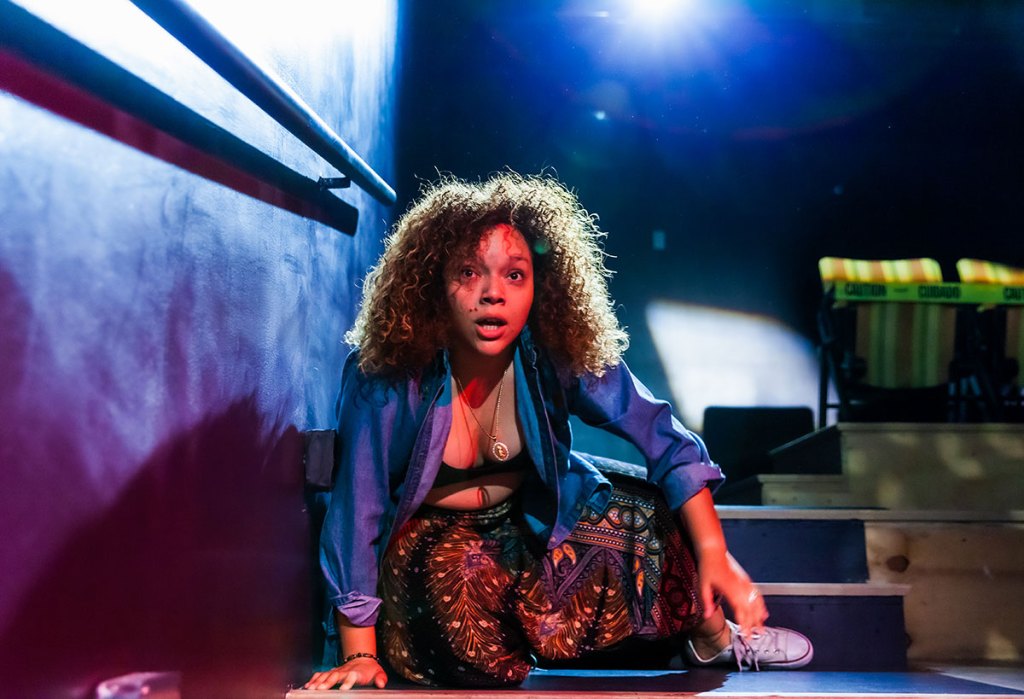
Micro-theater performances raised awareness about mental health and existing resources for the community.
Credit: Pregones/PRTT
Abrazo/Embrace for Mental Health
The process is designed to be iterative — and healing. Because the team had successfully used the forum theater model with HIV/AIDS, there was already a tool in place through which to delve into the issue of mental health, Merced said.
In the first year of the process, Pregones/PRTT, in partnership with Alejandra Ramos Riera, convened community playwriting workshops that named and explored cultural biases around mental health. They surfaced potential issues and storylines for Abrazo/Embrace and engaged local groups whose mission and/or practical orientation already touched on pertinent subject matter. Community partners included:
- Bronx Sole, “the run/walk network for health, neighborhood, and history.”
- CAMBA, Inc., “a multi-service agency promoting strong families and healthy lives.”
- Destination Tomorrow, “preparing the LGBTQIA+ community today for a better tomorrow.”
- Fountain House, “fighting for people most impacted by mental health.”
- Urban Justice, “mentoring the next generation of social justice leaders.”
- VIP Community Services, “addressing the consequences of extreme poverty.”
According to Merced, “Part of this project was also connecting and engaging community partners throughout the entire process, not just at the end to get audiences but to seek their feedback. From the get-go, there was ownership in the process.”
The company deployed live micro-theater performances to begin raising awareness about mental health and existing resources for the community. Ramos Riera translated four of her original short plays from Spanish to English, and partnered with fellow theater-maker Leyma López to co-direct them for the series Abrazo: The Embrace–Four Pieces of Micro-Theater.
The community partners were thrilled to participate. “Initiatives around mental health and wellness are extremely important in the Bronx community,” said Felipe Balado, employment and education specialist at CAMBA, a multi-service agency serving the local community. “I know the struggles our residents are facing. More work loss and impairment are caused by mental illness than many other chronic conditions. Pregones/PRTT’s Abrazo/Embrace provides hope and helps carve additional space and awareness for taking care of ourselves.”
Abrazo/Embrace was also positioned to be a resource at a time of rapid change in the community. In the South Bronx, where Pregones/PRTT is an arts and cultural anchor, displacement of working families and individuals accelerated during the pandemic, and the demographics of the area will continue to be significantly reshaped in the coming months and years.
“This project is essential and vital because it helps in healing from the trauma of separation and assimilation,” says Isabel De La Rosa, of Bronx Sole, a wellness organization whose motto is Your Health, Your Hood, Your History. “The project can further strengthen and enhance the resilience that has made the Bronx community a force to be reckoned with.”
Kaleena Clarke, also of Bronx Sole, adds that “Abrazo/Embrace allows the Bronx community to process their feelings and emotions surrounding the pandemic and its effect on their lives, in a safe space. It helps them see that they are not alone and to feel empowered to not only seek help but to learn where to find it.”
The work culminated in ten live performances at Pregones/PRTT’s Bronx theater — each featuring all four of the original micro-theater pieces. For performances, the team reconfigured the theater to create four discrete but interconnected performance spaces. Seating was capped at 40 people so audiences could move around the space in and out of performances.
Following each performance, Merced facilitated community dialogues to surface audiences’ own experiences and perceptions around wellness and mental health, the stressors that aggravate them, and the practices as well as resources to counter them.
For the general audience performances, Pregones/PRTT engaged more than 20 outreach partners.
Post-performance dialogues varied depending on the audience, with frequent testimonials from people of color about declining quality of life at home, work, and in their communities. Health and education professionals confirmed rising levels of depression, anxiety, trauma, food insecurity, and financial hardship, worsened by the COVID-19 pandemic. These discussions highlighted a lack of public awareness about available mental health resources.
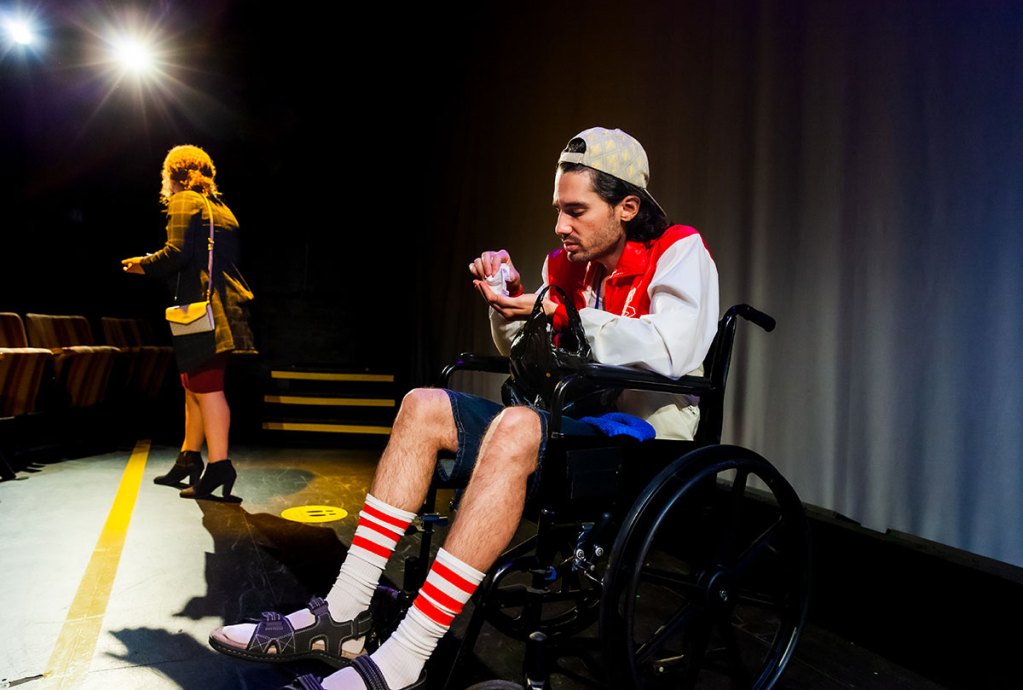
Micro-theater performances raised awareness about mental health and existing resources for the community.
Credit: Pregones/PRTT
In 2023, building on previous experiences, Ramos Riera wrote BURNED, a forum theater play about a burned-out Bronx native and former hospital worker struggling with mental health issues. Performances were limited to 45 attendees, with mental health professionals present to offer support and referrals.
According to a study of The Bronx in the American Journal of Psychiatry, “Latinx health care workers had significantly higher probabilities of pandemic-related distress and post-traumatic stress than White colleagues.”[LINK]
“We saw how impactful these performances were in how passionately the audience responded to them,” said Rick Luftglass. “The evolution of the project, from the first workshops to the finished play, was remarkable.”
Abrazo/Embrace directly engaged 3,500 community members, including those who participated in the experiences as well as their immediate circles.
Additionally, Pregones/PRTT hosted special sessions for philanthropy organizations — Creative Responses to Crisis: A Theatrical Performance & Discussion on the Role of the Arts in Improving Mental Health — as part of two national philanthropy conferences held in New York City.
- In 2022, the Grantmakers in the Arts (GIA) national conference included an off-site session that included a performance of Symphony Nº 1 and featured panelists Irfan Hasan, Deputy Vice President for Grants at the New York Community Trust; Madaha Kinsey-Lamb, Founder of Mind-Builders Creative Arts Center; and Pregones/PRTT’s Lopez, moderated by Rick Luftglass.
- In 2023, Grantmakers in the Arts and Grantmakers in Health co-hosted an expansion and encore for the national conference of United Philanthropy Forum, an association of philanthropy-serving organizations. The United Philanthropy Forum session included not only an Abrazo excerpt, but also participation by Yasemin Özümerzifon of Gibney and a performance featuring women from Gibney’s Move to Move Beyond® Storytellers.
“It was very rewarding to understand that yes, you can join health services and art services in a way that they can coexist – the two can join in the same arena without overshadowing each other.”
Jorge Merced,
Associate Artistic Director Pregones/PRTT
Partnerships
Pregones/PRTT engaged 6 Bronx-based community mental health and social service organizations as partners for engagement during workshops and for targeted audiences, and more than 20 additional organizations for outreach

Transformation and Impact
Transformation and Impact
Nearly one-fifth of the US population is estimated to be Latinx or Hispanic. Of those, more than 16% reported having a mental illness in the past year, which amounts to more than 10 million people. In Latinx and Hispanic communities, mental health and mental illness are often stigmatized topics, which can result in prolonged suffering in silence.[LINK]
The silence, according to a report by Mental Health America, “compounds the range of experiences that may lead to mental health conditions including immigration acculturation, trauma, and intergenerational conflicts. Additionally, the Latinx/Hispanic community faces unique institutional and systemic barriers that may impede access to mental health services, resulting in unmet needs and reduced help-seeking behaviors.”
That’s part of why it’s essential for the community to see themselves represented in the performance.
“Audience members are not only spectators. Through the forum theater model, they are part of the interactions,” Lopez said.
Audience members agree.
“There is a difference between hearing and listening. When you listen to someone, you actually put yourself in their shoes: it gets deeper,” JoAnn Candelis, an audience member, said after one performance.
Pregones/PRTT believes this experience will have long-term impacts — a sustained community interest in monitoring and remediating mental health.
The Case for Arts in Health
The Case for Arts in Health
Reflecting on the BURNED experience, Merced shared: “It was very rewarding to understand that yes, you can join health services and art services in a way that they can coexist — the two can join in the same arena without overshadowing each other.”
The Pregones/PRTT team clearly see the way that theater — both the act of creating theater and experiencing theater — is uniquely positioned to surface difficult conversations about mental health. Audience members are able to connect with one another — to be in community, even if for just a fleeting hour or two together — and to open up.
Merced added that “Artists already understand the different ways in which art can really be a part of our community, our society — and our world.” The rest of us should follow the path of those artists toward a healthier future.
Support from the Illumination Fund helped Pregones/PRTT to:
- Engage members of NYC’s Latinx community in the process of creating original theater about mental health and the impact of the COVID-19 pandemic on New York City’s Latinx community
- Connect the Latinx community with mental health resources, including referrals to community-based services
- Translate and stage four original pieces of micro-theater by project playwright Alejandra Ramos Riera
- Commission and stage a new short play about mental health in the interactive “forum theater” format by Alejandra Ramos Riera
- Facilitate post-performance community conversations following each forum theater live performance
Measuring Impact
Measuring Impact
Grantee-Level:
Abrazo/Embrace for Mental Health engaged 3,500 direct participants primarily identifying as Latinx — to raise awareness of post-COVID mental health crises in the Bronx and to empower audiences to seek and access existing mental health services. The project sparked culturally relevant dialogue about mental health in Latinx communities in the Bronx.
20 total performances of Abrazo/Embrace
- Year 1: 10 total: previews of micro plays for local residents, 6 community-based partner performances, 3 general audience performances, all free admission
- Year 2: 10 total: performances of BURNED for community-based partners and general audience, all free admission
Pregones/Puerto Rican Traveling Theater’s Abrazo/Embrace project supports mental health in the Bronx
RECESS
Assembly Program

Issue
Early involvement with the justice system begins a vicious and unjust cycle: those who already have limited access to resources are increasingly marginalized due to their court involvement.
Read More
The ongoing trauma perpetrated by systemic oppression and racism lead to diagnosed and undiagnosed mental health challenges that interfere with the ability to fully take advantage of the training, mentorship, and opportunities offered. Almost all system-impacted youth report exposure to some type of traumatic event and the majority meet criteria for a mental health disorder, with more than a quarter meeting criteria for post-traumatic stress disorder.
The Organization
Read More
Recess partners with artists, youth, writers, and their chosen publics to create transformative cultural experiences. Programs welcome radical thinkers to imagine and shape networks of resilience and safety. By challenging dominant narratives and activating new forms of creative production, Recess defines and advances the possibilities of contemporary art. Assembly, one of Recess’s flagship programs, offers system-impacted young people ages 18-26 an inroad to art and connections to working artists, while serving as an alternative to incarceration and its intersecting systems of oppression. The curriculum empowers young people to take charge of their own life story and envision a future through art.
Grant
Read More
Purpose: To support Recess’s Assembly program, an artist-led alternatives to incarceration program for court-involved youth.
Assembly offerings restore agency and self-determination through long term, meaningful, compensated engagement, integrating arts training, wellness, activism, and career exploration in the arts and social justice. One-third of Assembly participants join Recess with open cases from recent court involvement. The program diverts both misdemeanor and felony charges and in 2020 expanded to include a peer-to-peer referral model, allowing Recess to broaden its reach.
With the Illumination Fund’s support, Recess implemented a comprehensive mental health integration program for Assembly participants and staff through the hiring of a licensed clinical social worker with an artistic background. The role bridges the worlds of trauma-informed social justice and creative expression, providing culturally sensitive support through capacity building, group sessions, and one-on-one consultations.

Recognizing the prevalence of trauma and mental health challenges among system-impacted youth, Recess integrates comprehensive mental health support across its Assembly program.
Credit: Recess Art
Impact
Read More
The addition of an artist-social worker to the staff increased structured mental health support contact time from 1.5 hours to 11.5 hours with Assembly participants. 100% of Assembly participants engaged in mental health support during the grant period, surpassing the goal of 85% participation.
Since the founding of the Assembly program in 2016, Recess has served more than 250 individuals, with 90% completing Assembly workshops, allowing prosecutors the opportunity to close and seal more than 285 cases and enabling young participants to avoid an adult record. Approximately 25% of all participants have continued their involvement with the program in a paid capacity. More than 45 Assembly participants completed paid placements in the cultural/social justice sectors.
In 2023, the program had 25 Peer Leaders, who are compensated $500-1000/month depending on their self-selected level of engagement. Recess provided skill-building training and project tracks integrating arts education, screen printing, photography, music, digital recording, video production, job readiness, advocacy, financial literacy, mental health, and activism. Collectively, the participants put in over 10,000 hours.
A 12-month Fellowship capstone program is offered to Assembly participants upon their completion of Peer Leadership. Fellowships are determined by the participants’ clear articulation of what they see as their next step beyond Recess and may include a field placement, development of a portfolio and/or job readiness package, and/or work on a campaign with an arts or social justice advocacy partner. In 2023, eight young people joined the fellowship program and were compensated $2000/month for 16 hours of Recess-related work per week including placements at chosen sites, including:
- Manhattan Theater Company
- BAC: Broadway Advocacy Coalition
- Pratt Institute MFA portfolio development
- The Shed
- Weeksville Heritage Center
- NYU Gallatin Galleries
- Red Hook Justice Center / Youth Impact Program
- Sweet Circuit

Assembly participants strongly agree that the program offered new ways to think, react, and negotiate when faced with decisions.
Credit: Recess Art
REDHAWK NATIVE AMERICAN ARTS COUNCIL
Healing Through Indigenous Culture and Traditions

Issue
The Native American community suffers from profound health disparities, with high rates of diabetes, obesity, heart disease, drug and alcohol addictions, and mental health conditions. According to the New York City Department of Health and Mental Hygiene, New York City is home to the largest urban population of people identifying as Natives, First Nations, and Indigenous peoples of the Americas in the United States.
Read More
“Indigenous peoples of the Americas living in New York City make many contributions to the cultural and economic life of the city, yet many also continue to experience challenges with accessing resources that promote health. This includes being unable to obtain well-maintained and affordable housing, secure jobs with benefits, culturally appropriate health and mental health care, and traditional foods.” [LINK]
Culture and traditions are an essential anchor for indigenous communities. According to the National Alliance on Mental Illness, “Having a close attachment to land and nature, sharing connectedness with the past and with others in the community, nurturing strong family bonds, following the wisdom of elders, and fostering meaningful traditions are commonly shared as part of one’s Indigenous identity. Many of these shared cultural experiences are protective factors for mental health, but members of Indigenous/Native communities also shoulder many burdens, including economic and political marginalization, education disparities, discrimination, and mental health challenges rooted in a long history of trauma.” [LINK]
COVID-19 has had a particularly devastating impact on the health and mental health of Indigenous communities. According to the New York Times, “Native Americans have died from COVID at one of the highest rates of any race or ethnicity since the start of the pandemic.” [LINK] Additionally, restrictions and limitations on social gatherings prevented opportunities for community cohesion and resilience, according to Victoria O’Keefe, Ph.D., a member of the Cherokee and Seminole Nations and Chair in Native American Health at Johns Hopkins University’s Bloomberg School of Public Health. [LINK]
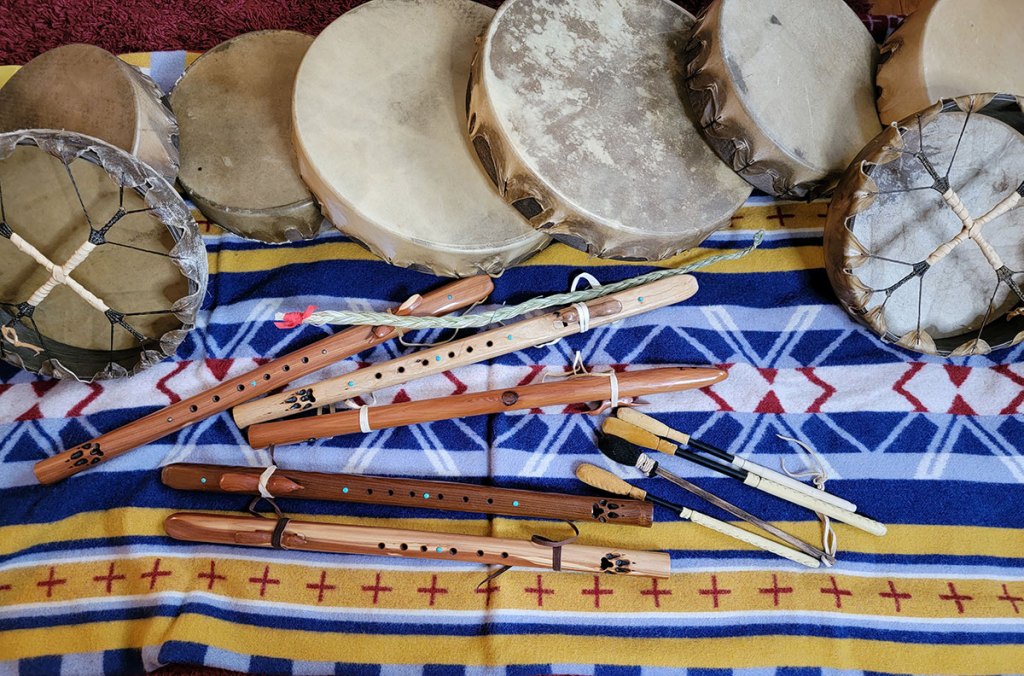
Redhawk worked with indigenous community members to create musical objects used in traditional ways to heal, including drums, rattles, and wind instruments.
Credit: Redhawk Native American Arts Council
The Organization
Read More
The Redhawk Native American Arts Council was founded and is maintained by Native American artists and educators. Since 1994, the Council has been dedicated to educating the general public about Native American heritage through song, dance, theater, works of art, and other cultural forms of expression. Redhawk produces four of the largest Native American heritage celebrations in the Northeast. The Council also hosts festivals, workshops, theater presentations and educational programs, addressing stereotypes and fostering an awareness of Native cultures from a historical standpoint, with a focus on contemporary cultural practices. The Council represents Indigenous artists from North, South, and Central America, as well as from the Caribbean and Polynesia.
Grant
Read More
Purpose: To support Redhawk Native American Arts Council’s Healing Through Indigenous Culture and Traditions, which serves indigenous community members from across New York City.
Through the grant, Redhawk worked with community members to create objects used in traditional ways to heal, including drums, rattles, and wind instruments. The goals of the program were to foster a connection between traditions and healing through music as a community and to use songs as a means of storytelling around healing and Indigenous traditions practiced for thousands of years.
Impact
Read More
According to Redhawk’s Cultural Director, Cliff Matias, “Using the drum for healing and physically creating drums, and teaching the clients songs, really resonated with them. Participants created flutes and rattles, and then shared songs and taught songs with those. People automatically assume that if you’re Indigenous, you know your tradition and songs, but there are more who don’t than who do. Participant numbers were expected to be about 15, but far more people came and wanted to learn their songs and traditions. Working alongside the New York Indian Council and having them as a partner, they also got to see the results and now their clients are sitting around drums and learning and healing, and the camaraderie was amazing.”
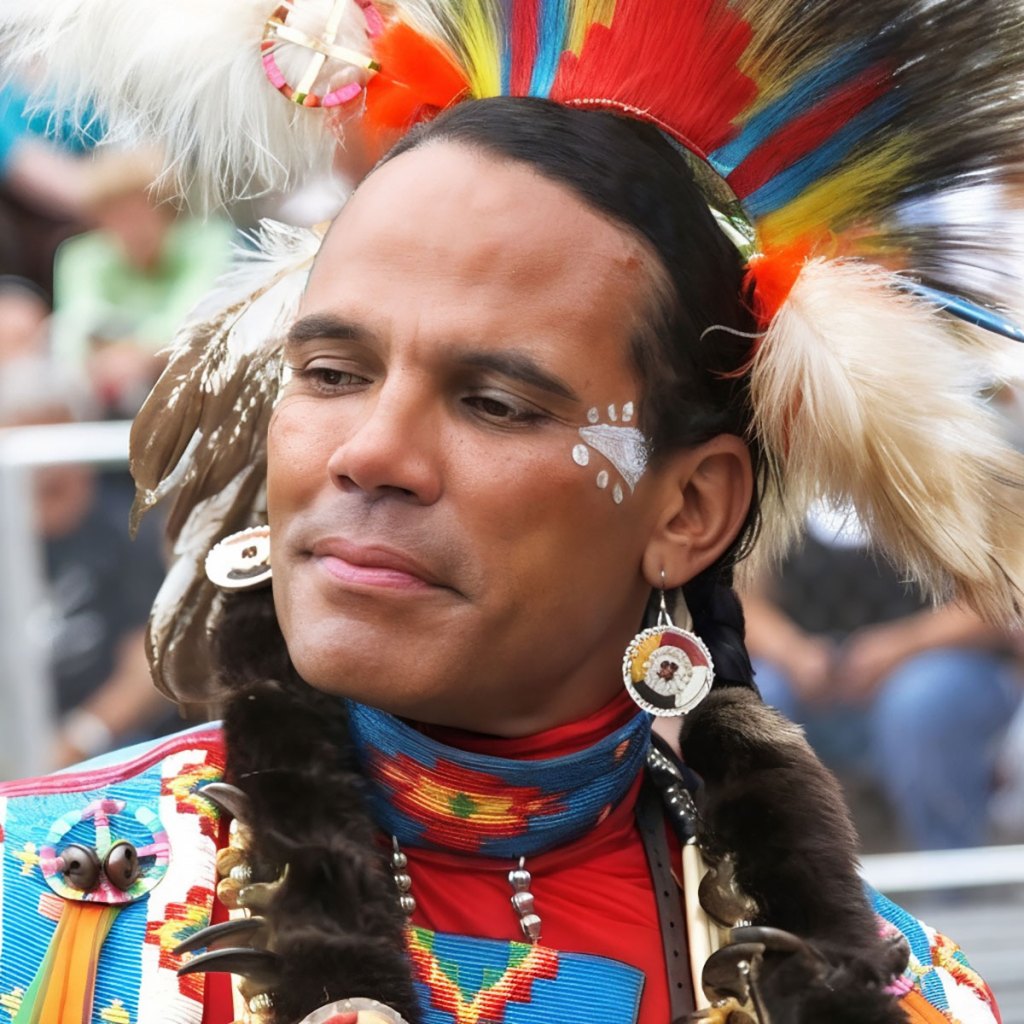
Culture and tradition are essential anchors for indigenous communities.
Credit: Redhawk Native American Arts Council
TARGET MARGIN THEATER
HERE AND NOW Community Storytelling Project
Issue
The immigrant populations of Sunset Park, particularly those who speak Arabic, Mandarin, and Spanish, experience high levels of stresses and anxieties. Target Margin Theater’s partners at RaisingHealth (formerly known as the Academy of Medical and Public Health Services) identified that the “concurrent and compounding stresses of Immigration and Customs Enforcement surveillance, public charge, family separation, economic instability, and xenophobia” all contribute to the diminished mental health of the community.
Read More
These challenges were exacerbated by the fear of contracting COVID-19 and the isolation resulting from the pandemic. “Fears of deportation and family separation contribute to aggravated mental health statuses for a population that is already victim to the trauma of violence and discrimination,” notes the team at RaisingHealth, “making mental health risk factors more prevalent than ever.” In addition, the rise in anti-Asian hate and violence has been particularly detrimental for the Asian immigrant populations of Sunset Park. RaisingHealth highlights that “during the pandemic, hate crimes instilled constant fear in the Asian community, on top of anxieties of contracting COVID-19. The anxiety and depression are debilitating, yet unspoken due to stigma and invisibility. When left unattended, these mental health stressors place immigrants at risk for socialization barriers, severed relationships, and physical comorbidities.”
The Organization
Read More
Target Margin Theater is an OBIE Award-winning theater company based in Sunset Park, Brooklyn. Over the past 30 years, it has produced more than 50 mainstage productions directed by founder David Herskovits and 130 individual lab productions by emerging artists. In 2017, Target Margin Theater moved into its first ever performance home, located in Sunset Park, Brooklyn. Since then, connecting and collaborating with community partners has been a focus of its work. Target Margin Theater’s project partner, RaisingHealth, is a Sunset Park-based nonprofit organization that operates public health and wellness programs across communities, supporting and sustaining the well-being of immigrant communities through culturally competent health, education, and community-building programs.
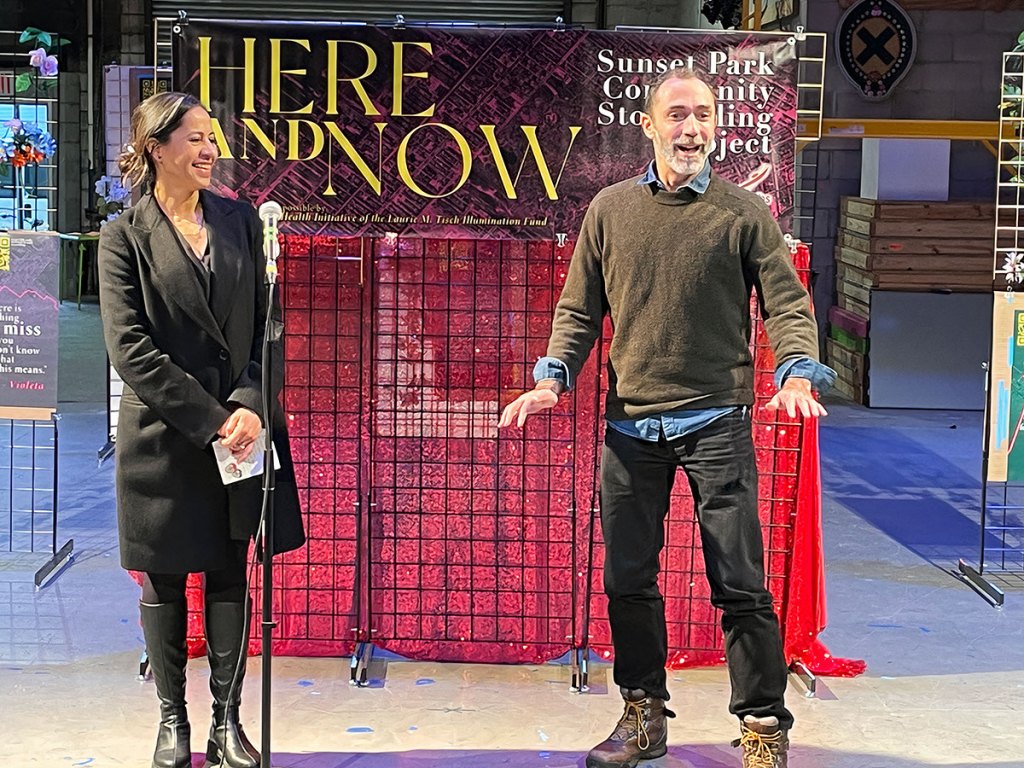
Interactive storytelling, offered in English, Mandarin, Spanish, and Arabic, fostered community healing and cross-culture solidarity.
Credit: Target Margin Theater
Grant
Read More
Purpose: To support Target Margin Theater’s Community storytelling project, HERE AND NOW, serving Sunset Park community members including Arab, Asian, and Latinx immigrant groups.
As part of their season-long theme of storytelling, and in response to the present mental health issues in Sunset Park’s immigrant communities, Target Margin Theater developed HERE AND NOW, an interactive storytelling project designed to foster community healing and build cross-cultural solidarity, providing a forum for personal experiences to be heard and engaging community members in the creative process.
Impact
Read More
In 2022, adults from Sunset Park came together in small groups to share stories about their lives and experiences. Sessions were led by Artist Facilitators from Target Margin Theater along with wellness counselors from RaisingHealth. More than sixty community members participated in the sessions, which were offered in English, Mandarin, Spanish, and Arabic.
For some, attending and sharing their stories with the small group was the full extent of their participation. Participants who wanted to share their stories with a broader audience developed them into an artistic piece during additional sessions with the artist facilitators. Eighteen community members chose to develop their narratives further and record their stories as an artistic and therapeutic extension of their experiences. Their personal stories — documenting the experience of living in the community and what it means to be a newcomer — were recorded in the participant’s preferred language. The stories were read in live events in Sunset Park and were recorded for an exhibit at the Sunset Park branch of the Brooklyn Public Library and adapted as a podcast.
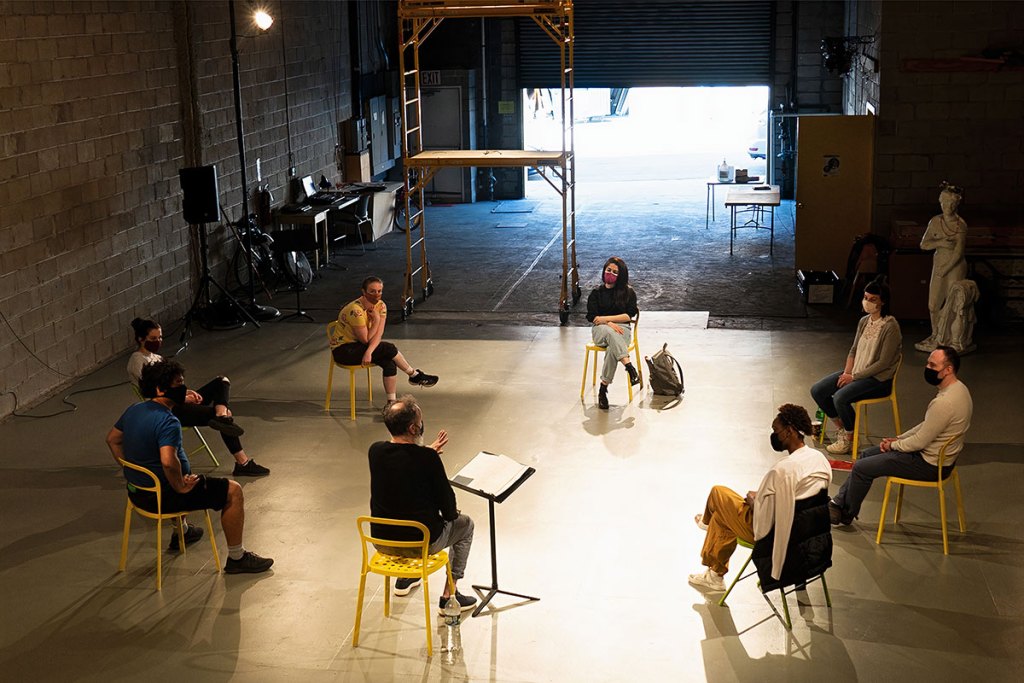
The needs of immigrant communities can often remain invisible, as access to services and care reveal immigration status.
Credit: Target Margin Theater
TERRA FIRMA & DYKWTCA
(DO YOU KNOW WHERE
THE CHILDREN ARE?)
RSVP (Please Respond)
Issue
The mental health challenges for asylum seekers are significant. The impacts are even more challenging for children, particularly for those children who have been traumatized by violent events that led them to flee their country, their arduous journey to the US, intentional detention and resettlement, and acculturation stress in a new country. Nearly 120,000 unaccompanied migrant children entered the US government’s shelter system in 2023.[LINK]
Read More
Approximately 80% of the Central American unaccompanied children who enter federal custody have relatives in the US who can sponsor them. [LINK] The children are not only seeking to leave unsafe conditions of their home countries, but to find safety with their families already here. Often their journey into the country created a seemingly insurmountable layer of trauma that manifests as toxic stress. Child development can be disrupted from toxic stress, with potential far-reaching impacts on cognitive development and risk of disease.
The Organization
Read More
Terra Firma is a nationally recognized organization whose model of care for newly arrived unaccompanied migrant children and migrant families integrates nonprofit legal services into community health centers. The model facilitates access to all services in one place at one time to improve outcomes. Located in the South Bronx, Terra Firma’s mission is to ensure that unaccompanied migrant children and newly arrived migrant families have access to quality mental health and medical care and legal representation, can attain safety and stability, and enhance their resilience to achieve their full potential. Terra Firma’s youth enrichment programs are designed to help facilitate acculturation and normalize lives that have been traumatized by violence and upheaval. To date, Terra Firma has served more than 1,300 unaccompanied migrant children and members of migrant families in NYC.
DYKWTCA (Do You Know Where The Children Are?), co-founded by artist/activist Mary Ellen Carroll of MEC Studios, is an ongoing initiative that develops programs and public policy addressing critical issues in migration and climate that are affecting the most vulnerable, especially immigrant children and their families. Terra Firma, Mary Ellen Carroll, and other collaborators established RSVP (Please Respond) to introduce the arts to recently arrived unaccompanied migrant children seeking humanitarian protection as an acculturative “path-marking” experience in New York City.
Grant
Read More
Purpose: To support the development of RSVP (Please Respond).
For RSVP’s 2022-2023 pilot program, participants experienced the arts through weekly field visits to organizations, institutions, and businesses. Partnering organizations for the field visits included: Diller, Scofidio + Renfro (Architecture), El Museo Del Barrio (Art), National Sawdust (Music), and Times Square Arts (Performance and Theater).
The program was structured in three phases. Phase I introduced the cohort to the arts in New York City and included a mapping exercise of their routes and interests as a resource for themselves and for future unaccompanied migrant children, as well as meetings and hands-on workshops at Terra Firma’s clinic and the sites of the partnering entities. The participants then chose to focus on a specific discipline in the arts. During Phase II and Phase III, participants developed a deeper understanding of their chosen discipline, including further exercises and one-on-one mentoring.
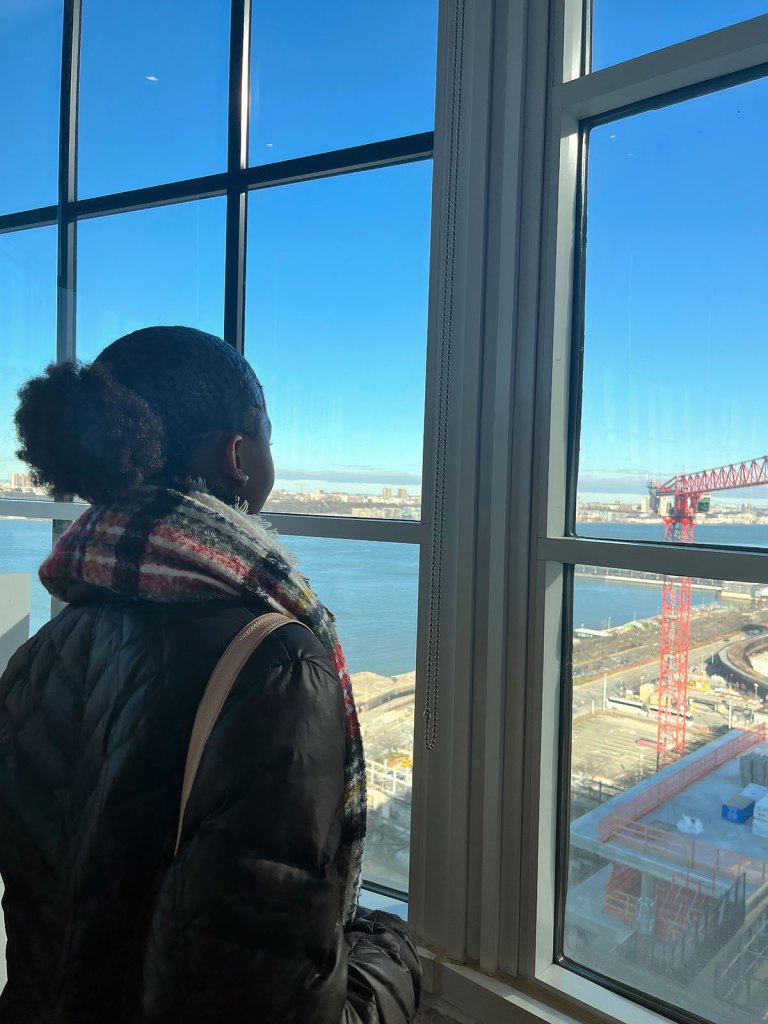
The arts introduced unaccompanied minors to the cultural assets of New York City.
Credit: Terra Firma & DYKWTCA
Impact
Read More
RSVP participants were enrolled in Terra Firma’s program for unaccompanied migrant children seeking asylum. The original cohort for the RSVP pilot program included eight participants, ages 12 to 17, from El Salvador, Guatemala, and Honduras.
Terra Firma provided bilingual facilitators for comprehensive notes of all RSVP program activities, as well as meetings with the clinical staff and psychology team. One-on-one exit interviews were conducted with the RSVP participants after each of the three project phases were completed.
Exit interviews for each phase with the RSVP participants showed that:
- The program had a significant impact on participants’ lives in New York and their experience of the city, from the ability to explore parts of New York they hadn’t known about to opening up new horizons for connecting with the arts in New York.
- Participants expressed concern about their education and future job opportunities in their new home of NYC, and a wish for RSVP to evolve to include workforce development and additional educational opportunities. As recent immigrants, the concern for the ability to care for themselves and their families was significant.
- Participants reported that RSVP was an important part of a shared experience in their new home, and that they valued the experience of meeting each other, becoming friends, and beginning to develop social networks.
As a result of their participation in RSVP, participants gained an understanding of the importance of the arts in New York City, and how the arts can impact their well-being and sense of self as recent arrivals to the city where culture is foundational to the inhabitants.
THE ART THERAPY PROJECT
Core Programs and Operations
Issue
Mental health services are not easily available to people in low-income and vulnerable communities. This is especially true for system-involved youth, people affected by domestic violence, young people in foster care, people in homeless shelters, the LGBQTIA+ community, and those with medically complex conditions. There is a compounded need for services for those who are dealing with issues related to sexual assault or abuse, military service, or substance use.
The Organization
Read More
The Art Therapy Project provides free group-based art therapy in a safe, inclusive space for people in need of mental health services. Clients feel connected and inspired while exploring their personal journeys, increasing their self-awareness, and improving their quality of life. Public-facing projects, including exhibitions, social media campaigns, and publications.
Grant
Read More
Purpose: To support free art therapy programs for groups referred by New York City community partners.
The Illumination Fund provides general operating support to help cover the costs associated with operations, programs, professional development, research and related conference presentation expenses, and expansion of fee-for-service programming including continuing education for art therapists and wellness workshops. In addition, funds help underwrite systems upgrades and marketing materials.
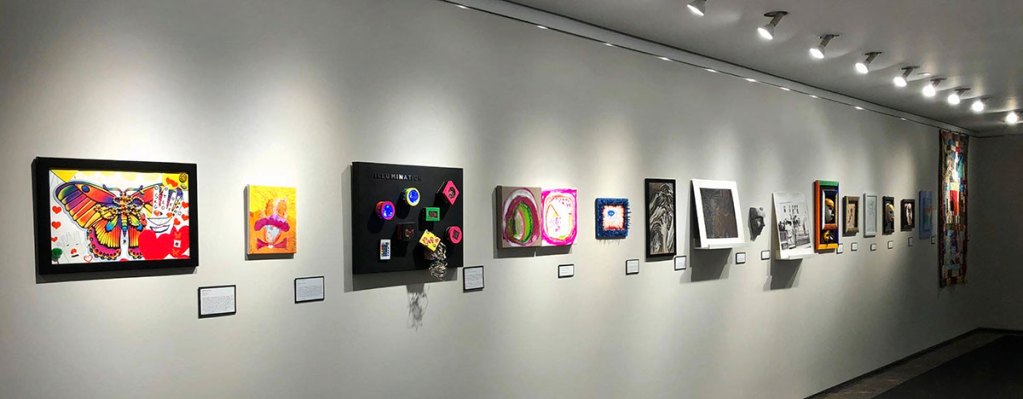
The Art Therapy Project has provided free art therapy to more than 10,000 trauma survivors in New York City.
Credit: The Art Therapy Project
Impact
Read More
Since September 2011, The Art Therapy Project has provided free art therapy to more than 10,000 trauma survivors in New York City as well as hundreds of frontline and essential workers. In 2023, the organization directly served more than 860 clients (a 15% increase over the prior year) and returned to in-person client art exhibitions, including Emerging Self, one of the most powerful exhibitions curated to date.
The Art Therapy Project partners with more than two dozen nonprofit organizations to identify clients who would benefit from receiving art therapy services. In collaboration with their partners, The Art Therapy Project offers more than 30 weekly art therapy groups plus several special wellness workshops. In addition, The Art Therapy Project:
- Developed a new documentation tool to improve communication among medical professionals as well as to increase their understanding of art therapy and what occurs during sessions. Project staff presented the tool and findings at three conferences.
- Pioneered new approaches to TeleArt Therapy and provided trainings for art therapists, art therapy intern supervisors, and School of Visual Arts (SVA) art therapy faculty in how to effectively provide art therapy services online. This has been integrated into SVA’s Master of Professional Studies in Art Therapy curriculum.
- Organized and curated four client art exhibitions.
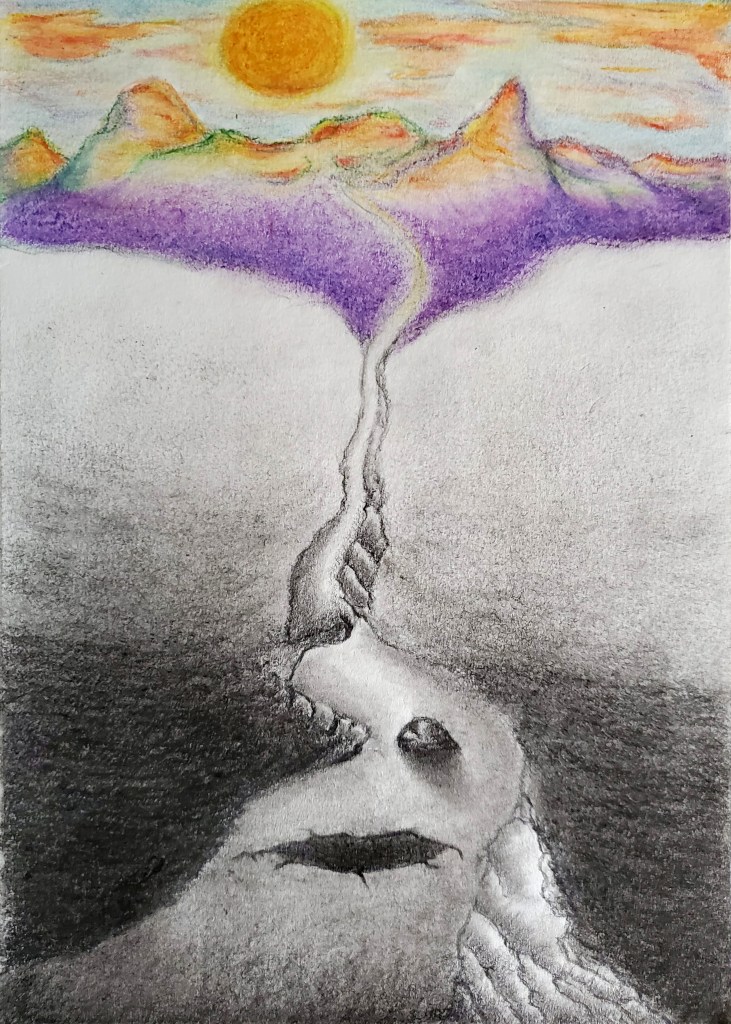
Artist Initials: TJM
The Lighted Path
Artist Statement: Sometimes we become trapped in our own emotional states of anxiety, depression, even self-aimed anger. It becomes hard to move forward figuratively and physically. Obstacles present themselves. In this illustration, the ominous dark path is lit by the colorful and life-affirming brightness ahead. It’s quite a distance, but it’s worth the voyage. In the distance, there we are surrounded by family, loved ones, and our TATP group who understand our struggles and help us work our way through the darkness and into the light.
THEATER OF WAR PRODUCTIONS
The King Lear Project, The Suppliants Project, Theater of War Frontline, and The Nurse Antigone

People suffering from grief, trauma, stigma, and aging-related diseases often feel alone and unable to find expression for these feelings. Since ancient times, theater has brought people together to experience a story and then process the feelings it evokes. Bryan Doerries — Theater of War Productions’ artistic director and a writer, director, and translator — created Theater of War Productions to help people process trauma and promote healing.
Theater of War Productions works with leading film, theater, and television actors to present dramatic readings of seminal plays — from classical Greek tragedies to modern and contemporary works — followed by town hall-style discussions designed to offer catharsis around social issues by inviting people to share reactions to themes highlighted in the plays. The guided discussions underscore how the plays resonate with contemporary audiences and help break down stigma, foster empathy and compassion, and lead to a deeper understanding of complex issues.
“The experience is not complete once the play is over,” said Doerries. “The key to the model happens after the performance.”
Theater of War Productions’ audience is built through deep community engagement and partnerships, reaching people who would not generally attend theater events. The process is organic, and no two performances are the same.
In 2019, with support from the Stavros Niarchos Foundation and the Illumination Fund, Doerries served as the Brooklyn Public Library’s first Theater Company in Residence, developing and premiering two new productions — The King Lear Project and The Suppliants — to foster discussion on public health and social justice issues.
Population
Health Care staff, Community
Discipline
Theater
First grant
2019
The King Lear Project
Read More
The King Lear Project used readings of Shakespeare’s play to illuminate topics of aging, including dementia, family caregiving, and related challenges. Older adults and their caregivers across the city attended events offered in collaboration with city agencies and nonprofits. A concerted effort was made to curate intergenerational audiences in order to foster difficult conversations and a better understanding of issues faced across generations.
Actors included James Earl Jones, Cynthia Nixon, Bill Camp, Frankie Faison, and Daphne Ruben-Vega, among others, as well as New York City Public Advocate Jumaane Williams.
The Suppliants
Read More
The Suppliants, a 2,500-year-old tragedy by Aeschylus, tells the story of 50 female refugees seeking asylum at a border from forced marriage and domestic violence. According to Doerries, “The Suppliants engages diverse audiences in humanizing, constructive dialogue about the challenges and impact of war, migration, and seeking asylum.” The production integrated dance, music, and theater, in collaboration with members of the Bronx-based Garifuna community who immigrated from Belize, Honduras, and Guatemala. It was performed with English, Spanish, and Garifuna text. The post-performance discussion raised issues of immigration, gender-based violence, and forced marriage.
Theater of War
Read More
When the COVID-19 pandemic hit, Theater of War Productions knew it had a role of its own to play. “We want to do something,” Doerries recalled. “We have this amazing tool.”
Frontline medical workers confronted unprecedented professional and personal challenges of the COVID-19 pandemic. But there were few opportunities for medical professionals to step back and reflect, share with colleagues, and open up discussions with the broader public outside of clinical settings.
The arts provide unconventional ways to bring challenging issues to the surface and start constructive dialogue. That’s the genesis and power of Theater of War Frontline for
Medical Providers.
With support from the Illumination Fund, Doerries collaborated with the Johns Hopkins University Berman Center for Bioethics to develop a program called Theater of War Frontline, to facilitate discussions about the challenges faced by frontline medical professionals before, during, and after the pandemic. By presenting ancient plays to doctors, nurses, respiratory therapists, and other healthcare professionals about emotionally charged, ethically complex situations, followed by facilitated virtual “town halls,” Theater of War Frontline aimed to create a space for candid dialogue and reflection, fostering compassion, understanding, a renewed sense of community, and positive action.
Theater of War Frontline was anchored in 8 hospitals across New York City, including Lenox Hill, Columbia University Irving Medical Center, Mount Sinai, Montefiore, NYU Langone, and three NYC Health + Hospitals sites, as well as with Doctors Without Borders and the union representing Emergency Medical Services officers. With the global reach of Zoom, audiences totaled over 7,000. These experiences fostered reflection, compassion, and a renewed sense of community.
“To be clear, Theater of War Productions’ approach is not medicine, nor is it therapy,” said Doerries. “The aim of our projects is to lift people out of isolation and into community. One thing I have observed over the past twelve years of doing this work is that trauma, loss, and moral distress all leave people feeling isolated and alone.”
The Nurse Antigone
Read More
In 2022, Theater of War Productions premiered a project by and for nurses that presents scenes from Sophocles’ Antigone. The experience features professional actors together with frontline nurses to help frame guided audience discussions. Antigone shares the story of a young woman who puts everything on the line to do what she believes is right, which dramatizes the heavy cost of silencing and marginalizing caregivers, especially during times of crisis. The idea was to focus on nurses, “since they were bearing a disproportionate burden for the medical community during COVID,” Doerries said.
Transformation and Impact: The Need for Evaluation
From the onset of a project, the team utilized post-performance surveys to measure impact and to learn from their audiences.
The Nurse Antigone
Grant funds enabled Doerries to partner with impact evaluators at Johns Hopkins University. In response to post-performance surveys administered after ten presentations of The Nurse Antigone, with 524 nurses responding:
- 92% said the events deepened their awareness of the unique challenges faced by nurses and other healthcare professionals.
- 88% said The Nurse Antigone offered them new insights about their experiences during the pandemic.
- 87% said The Nurse Antigone made it easier for them to talk about difficult topics.
- 84% said The Nurse Antigone reduced their sense of isolation.
In addition to administering post-event surveys, the team sought qualitative insights. They conducted interviews with key nurse-participants and analyzed nurses’ written responses to the surveys.
Themes that emerged in the interviews and analysis included:
- Acknowledging the pain and challenges. Participants describe these events as awakening them to suppressed emotions and unprocessed suffering.
- Processing emotions and engaging openly. Participants highlighted the ‘safe’ environment of these events, where nurses openly shared their emotions and experiences. This openness encouraged others to process their own feelings and discuss the injustices they witness and experience.
- Feeling heard, elevating marginalized voices. Nurses expressed the frustration of not being listened to or respected, describing the events as a rare exception to this pattern, resulting in healing and feeling valued. This was especially cited by participants from marginalized communities.
- Healing through connection and processing together. Participants passionately described the therapeutic effect of feeling connected to others who understand the unique challenges faced by frontline nurses.
- New perspectives and increased empathy. Participants were deeply moved by hearing others share vulnerable feelings. They report increased understanding and empathy for colleagues. These events also serve as a starting point for future conversations.
- Informing the public as a way to heal the social contract. Participants expressed a desire for patients and the public to understand that nurses care and do their best in very difficult situations.
Charlaine Lasse, MSN, RN, RNC-NIC, and Craig Manbauman, BSN, performed in many of The Nurse Antigone presentations, wrote in the American Journal of Nursing:
“Every Theater of War event is a pilgrimage, a connection to a community united in holding space for hard truths. Here we gain insight, understanding, and a sense of shared humanity.”
The Case for Arts in Health
The Case for Arts in Health
Theater of War Productions’ work addresses trauma but also goes deeper and delves into moral injury. Moral injury, Doerries argues, is not exactly trauma. “It exists alongside mental health issues and trauma; It’s a soul wound. It’s something that the clinical world doesn’t really know how to wrap its arms and head around.”
Doerries cited John Paul Lederach’s book, The Moral Imagination: The Art and Soul of Building Peace. Lederach, whose work is rooted in conflict resolution, argues in the aftermath of conflict, “the intervention for these types of injuries is not therapy: It’s art.”
Doerries couldn’t agree more.
Support from the Illumination Fund helped Theater of War to:
- Develop four new performance-based initiatives for in-person and online audiences participants
- Establish dozens of new partnerships in the health care arena
- Evaluate the impact of its programming
Measuring Impact
Measuring Impact
Grantee-Level:
For The King Lear Project, Theater of War Productions delivered 12 performances reaching approximately 1,300 people. Partner sites included senior centers at New York City Housing Authority (NYCHA) developments, the SAGE Center for LGBTQ+ seniors, NYC Health + Hospitals/Lincoln, and RAICES Times Plaza Senior Center in Brooklyn.
Theater of War Frontline, delivered virtually via Zoom, reached over 7,000 people. It was anchored in hospitals across New York City, In a unique hybrid model, the hospitals also organized in-person groups of staff in conference rooms to increase dialogue and solidarity.
Theater of War Productions presented The Nurse Antigone 11 times to approximately 11,500 people from 70 countries.
Partnerships
Partnerships
The Nurse Antigone exemplified Theater of War Productions’ focus on partnerships. Host partners included the Greater NYC Black Nurses Association, NYC Health + Hospitals, Organization of Nurse Leaders, New Jersey Hospice and Palliative Care Nurses Association, National Student Nurses Association, American Association of Critical Care Nurses, National Association of Community Health Centers, and Sigma. The partnerships enabled engagement and reach with key stakeholders with varied experiences and perspectives.
Theater of War Productions uses theater to inspire conversations about difficult issues
ViBE THEATER EXPERIENCE
Wellness Curriculum and Staff Training
Issue
According to the 2019 Georgetown Law case study Mental Health and Girls of Color by Kimberlyn Leary, Ph.D., “women and girls of color face unique stressors that are compounded by the intersection of race and gender identities. Negative socio-cultural experiences rooted in racism, discrimination, and sexism contribute to emotional pain, but often remain unacknowledged as sources of distress.” [LINK]
Read More
According to the Center for Law and Social Policy, “young women of color living in poverty receive mental health treatment at less than one-third the rate of young white women living in poverty.”[LINK] As the study suggests, “the cause of this gap can be complex, as providers may not recognize need, and girls of color may also not seek services because they report distrust of mental health services, confidentiality concerns, and fear that seeking mental health care will be stigmatizing.”
The Organization
Read More
viBe Theater Experience (viBe) produces original theater, music, and media written and performed by girls, young women, and nonbinary youth of color. Through free, high-quality programs, participants ages 13-26 devise original theater reflective of their personal experiences navigating real-life issues. Since 2002, more than 75 viBe productions have brought free theater, live musical performances, music videos, and radio plays to thousands of diverse audience members, changing their perceptions about the kind of art that girls, young women, and nonbinary youth of color can create.
Grant
Read More
Purpose: To support viBe Theater Experience’s wellness curriculum and staff training in mental health strategies for programs serving girls, young women and non-binary youth of color.
viBe Theater Experience identified a critical need to develop new strategies to address mental health and wellness among its participants and staff. Grant funding was allocated to engage Licensed Clinical Social Workers to implement group and individual therapy services, develop a wellness curriculum, and institute a formal training program for existing and incoming teaching artists that is trauma informed.
Impact
Read More
The activities undertaken during the grant period had the intended impact of expanding access to resources and providing support for more youth of color.
Social workers facilitated group therapy sessions via Zoom, including individual sessions with each participant for assessment and follow-up. Subsequently, the social workers facilitated training sessions with viBe’s young adult ensemble members (ages 19-26) through viBe Company and viBe Leadership Institute programs. These sessions introduced viBe’s teaching artists-in-training to a healing-informed practice. Over the course of the training sessions, the teaching artists-in-training were taught techniques of healing-centered engagement: the ability to acknowledge harm and injury, but not be defined by it; healing potentialities of the arts; and what particular skills can help to heal and build resiliency. As group and individual wellness sessions continued, viBe’s teaching artists-in-training began leading programs utilizing the healing framework. Through the program, participants across viBe programs received direct mental health and wellness support, and cohorts of teaching artists were trained to implement new practices to inform their ongoing work.
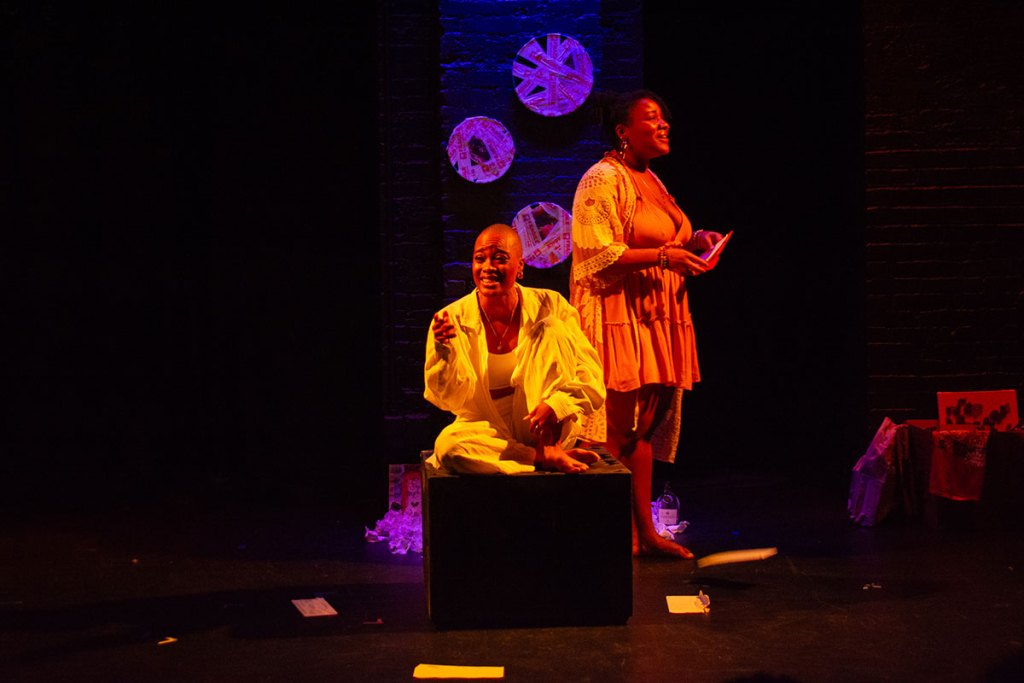
Participants devise original theater reflective of their personal experiences navigating real-life issues.
Credit: viBe Theater Experience
Chapter 3:
Aging-Related Diseases
Chapter 3. The Role of the Arts in
Addressing Aging-Related Diseases
Engagement in the arts can be a critical tool to help people cope with illness and improve their outlook and quality of life. Engagement in the arts also decreases isolation and builds community not only for the person living with an illness, but for family and caregivers.
Aging-related diseases cut across social, ethnic, and economic boundaries. However, there is a wide gap in services and quality of life for aging populations in New York between those with financial resources and those without. Support from the Illumination Fund has helped organizations serve more people, build capacity within their organizations, and level the playing field.
In the national poll that the Illumination Fund commissioned, 82% believe the arts are helpful in coping with age-related diseases such as Alzheimer’s and other forms of dementia, in contrast to 18% who believe the arts are not helpful.
- Programs for adults with Alzheimer’s and their caregivers use art observation and art-making to provide positive emotional and cognitive experiences, enhance verbal and non-verbal communication, and reduce isolation
- Dance and movement classes for people with Parkinson’s disease and their care partners improve balance, cognition, motor skills, mental health, and physical confidence
- Hospital artists in residence contribute to a richer employee and patient experience and cultivate empathy and communication between patients and their healthcare providers
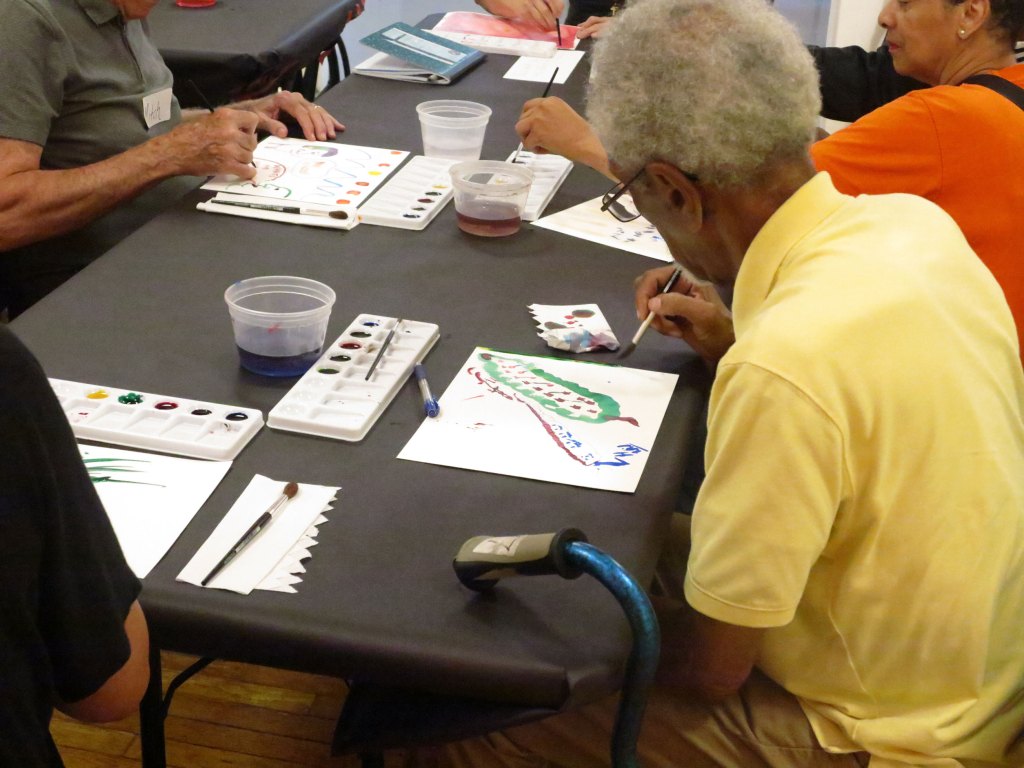
The arts can help address isolation for caregivers and patients, and provide important stimulation and activity.
Credit: Arts & Minds
ARTS & MINDS
General Support

Dementia can be a highly stigmatizing and isolating disease. Symptoms range from mild to severe and affect a person’s cognitive abilities including memory and learning, as well as feelings, behaviors, and relationships.[LINK] Research has shown that arts programming can help address issues of stigma, break down isolation for caregivers and patients, and provide important stimulation and activity.
In 2010 Carolyn Halpin-Healy, a seasoned art historian, and Dr. James Noble, a Columbia University neurologist, founded Arts & Minds to improve quality of life for people living with memory loss, Alzheimer’s disease, and other dementias through engagement with art.
“There are oftentimes many years before late-stage dementia where people are able to engage in life and many activities. And if they do so, their symptoms seem to plateau a bit. The acceleration of the symptoms slows down,” Halpin-Healy said. “That’s part of what we’re after.”
In 2010, about 5 million Americans were living with Alzheimer’s disease or other dementias. It’s now nearly 7 million, with about 11 million family members and friends providing mostly unpaid care for those living with dementia.[LINK]
In the Arts & Minds model, the care partners participate alongside the individuals they support, gaining the training needed to encourage and facilitate continued creative activity outside of the session. This approach not only strengthens their bond but also increases the impact of the model.
Population
Older Adults, Caregivers
Discipline
Visual Art
First grant
2018
The Illumination Fund and Arts & Minds
“In 2017, when we were conducting research into the state of arts in health in New York City, we discovered Arts & Minds. We reached out to them early, quickly understanding how their work was transformative,” said Rick Luftglass. “From our first discussions, we saw that our support could help them scale up to reach larger and more diverse audiences.”
Luftglass noted that “programs existed at a few museums across the country — the Museum of Modern Art’s Meet Me at MoMA was a pioneer — but sometimes the museums have difficulty reaching diverse audiences.” He explains that “art museums have been making progress, but they were not typically seen as accessible for poor and underserved communities, nor those whose first language is Spanish. These were actual and perceived barriers to entry.”
To engage with targeted populations, Arts & Minds works closely with specific museum partners in New York City. The Studio Museum in Harlem is the organization’s founding partner and is known internationally for championing the work of Black artists. Another community anchor, El Museo del Barrio, is a leading Latinx cultural center located in East Harlem. In partnership with El Museo del Barrio, Arts & Minds developed Arts & Minds En Español, New York’s first Spanish-language museum program for people living with memory loss.
Arts & Minds prioritizes cultural institutions within Black and Latinx communities, as these populations often experience higher rates of dementia, along with a lack of resources. These programs not only help people with dementia, they also help to reduce the stigma of dementia among those working in cultural spaces and in the community at large.
“I really believe that every museum in the country should throw open their doors to people with dementia and their care partners,” said Halpin-Healy. “We can help them do that.”

Arts & Minds Sessions
During an Arts & Minds workshop, participants gather around a work of art for a dialogue of response and interpretation. “Some people may have a lot to say and are able to articulate it. Others may be quiet and respond with facial expressions or movements,” Noble explained. After the dialogue, participants engage in an art-making activity related to the themes of the discussion.
“It’s a learning activity. You may come in with your own opinion, or with no opinion, and your understanding of a work of art may shift because of what you’ve heard others say,” Halpin-Healy said. “So, helping people think and share is something that art offers us, and it opens doors to really challenging subjects.”
“As my husband descends into dementia,” one care partner said, “he has lost the ability to structure his days and find meaningful activity. It is incredibly helpful to have a scheduled event in the day that is gentle yet stimulating and involves creative thought as well as active artistic effort. They give us something to look forward to doing together.”
Care partners have been a core part of Arts & Minds sessions since the inception of the program. In 2023, Arts & Minds expanded its support for care partners by launching a support group that now meets monthly at The Met, led by Halpin-Healy and board member/social worker Joyce Visceglia. This diverse group of care partners participates in meditation, explores art in the museum’s galleries, and receives psychosocial support, all while connecting with others facing similar challenges.

“Dementia is a social justice issue. People are stigmatized and marginalized, no matter where they are on the socioeconomic ladder, no matter where they are in terms of racial and ethnic diversity. These, together with the fact that some communities are more heavily affected by dementia, ties into everything else we care about in terms of equity and fairness.”
Carolyn Halpin-Healy,
Co-founder and Executive Director
Arts & Minds
The Pandemic
The Pandemic
In March 2020, it became clear very early that a shutdown was imminent, and as an epidemiologist, Dr. Noble knew the impact this would have on older residents, including families affected by dementia. Halpin-Healy and her team quickly pivoted programming online. As museums began to shutter their doors, Arts & Minds premiered its first online class.
Arts & Minds expanded programming during the pandemic, varying the format to include movement, music, and virtual studio visits with practicing artists. Through 2022, Arts & Minds offered four programs per week in English and at least one per week in Spanish to help those during the lonely and uncertain time.
“Our commitment has always been to accompany our participants through their individual journeys of life with dementia. I’m really proud that our diverse and amazing team of teaching artists was able to do that. We were fortunate to have the support of an amazing board and generous funders, who really stepped up during the COVID-19 crisis,” Halpin-Healy reflected.
Arts & Minds retained its partnership with museums online, enhancing the participant experience with high-quality digital images provided by those partners. The diversity of the artworks from El Museo del Barrio, the Studio Museum, The Jewish Museum, and The Metropolitan Museum of Art, both online and in-person, allows participants from underrepresented communities to see themselves represented and feel empowered to take part in the discussion.
“Having an online option for an Arts & Minds program is better for some than physically going to a museum because we get so tired these days,” one program participant said.
Indeed, studies have demonstrated that online participation increases accessibility and has the potential to bring programming to audiences worldwide, especially to those in remote or isolated places.
Halpin-Healy and Dr. Noble shared their learnings in the journal Dementia, as co-authors of “Online gallery facilitated art activities for people with dementia during the COVID-19 pandemic and beyond: A narrative review.”
Impact and Studies
Impact and Studies
Halpin-Healy and her colleagues continuously evaluate the program:
“We experience it together, we observe what happens, we see how it affects individuals, and that has an immediate effect on our practice. We take feedback from each session and modify the program to help as many people as possible, especially those most marginalized. If we can share what we’ve learned, share the practice, share the approach, share all the research we’ve gathered and give that away, then museums anywhere will be able to use that to grow their own programs and meet the needs of their local communities. That’s our vision,” Halpin-Healy said.
Arts & Minds believes that sharing its work and teaching other museums how to create and run their own dementia-supportive programs will generate more research interest in this critical area. Having a broader infrastructure of large-scale programs will provide opportunities for study and more comprehensively demonstrate the benefits of these programs.
Dr. Noble notes that although studies of people with dementia are expanding, many of the studies have small sample sizes. Adding them all together shows a consistent set of positive findings, but they remain limited by the sizes of the individual studies. It’s essential to build the research base so that it is robust enough for the medical community.
Arts & Minds has served as a platform for multiple research studies. One such study gave medical students a survey of their attitudes and knowledge of dementia. After the initial survey, students took part in an Arts & Minds program and then repeated the survey afterwards. The results suggested a favorable increase in the medical students’ attitudes about dementia, especially around comfort with persons with dementia.[LINK]
For many of the medical students, this was their first experience with someone who has dementia outside of a hospital or clinic. Arts & Minds gave these future doctors the opportunity to see firsthand the stages of dementia, and more importantly, that the experience can be filled with joy, laughter, and art. In addition to this change in perspective, several students, after experiencing Arts & Minds, choose to go into fields such as geriatrics or neurology.
Arts & Minds undertook another study inspired by the Studio Museum security staff’s expressions of generosity, awe, and kindness for the Arts & Minds participants. Arts & Minds wanted to know, “what was it about the program that excited staff at the Museum, even though none of them participated in the workshops?”
“We learned that they began to appreciate the Studio Museum as a space of social inclusion and belonging. We learned that it improved organizational pride. Museum staff were touched by the fact that the doors were open to older adults, and that it was reaching members of the immediate community in a very meaningful way,” Halpin-Healy said.
In addition to more organizational and community pride, Studio Museum staff experienced a reduction in stigma toward those with dementia. When they are welcomed and appreciated in this way, those with dementia often feel less ostracized in society and caregivers feel empowered to help their loved ones.
Education And Training
Education And Training
Arts & Minds is taking a leadership role in training museum and care professionals in its model. They have helped the National Gallery of Art, the New Orleans Museum of Art, the Smithsonian American Art Museum, and the United States Botanic Garden to start programs. Arts & Minds also created Engaging Arts & Minds, which Halpin-Healy describes as “a self-paced, asynchronous, online learning experience to help more museums open their doors to this growing population facing life with a stigmatized, aging-related disease. The course is designed for museum educators, dementia care professionals, artists, and administrators of museums and community/senior centers.
The online platform is already proving to be a useful tool for improving and expanding practice in New York City and it has generated interest in several museums around the country that do not yet serve this population.”
The Case for Arts in Health
The Case for Arts in Health
The field of Creative Aging, based on engaging in and learning about the arts as we age, has been gaining traction and providing all kinds of ways to experience joy through the arts. Traditionally geared towards the general population of “well elders,” efforts to bring the arts to the lives of people living with dementia have sometimes been overlooked. “We would like to see funders in the fields of arts, health, and the needs of older adults understand and support the tremendous opportunity to improve the quality of life for everyone as we get older by connecting with art and in museums,” said Halpin-Healy. “There’s a lot of life to be lived and we hope Arts & Minds can help keep people out of nursing homes and living comfortably at their homes for longer.”
Dr. Noble noted, “with about one in six of us facing dementia if we live to age 65, it is an unfortunate fact of life that even if not ourselves, then a close friend or family member is likely to develop it. It is a common experience for all of us one way or another as we age. Working together to provide more opportunities for creative engagement can only help support how we age in many ways, including as we face dementia.”
Funding arts within dementia and aging-related health initiatives not only affects those living with dementia. It also affects the people who care for them and can help to improve their quality of life both personally and as caregivers. “So many of us have parents, grandparents, or other loved ones who’ve developed Alzheimer’s or other forms of dementia,” said Luftglass. “We can relate. It’s very personal.”
Support from the Illumination Fund helped
Arts and Minds to:
- Expand its program to Spanish-speakers
- Move its programming online
- Develop Engaging Arts & Minds, an online training course for museum professionals
Measuring Impact
Measuring Impact
Grantee-Level:
In 2023, Arts & Minds:
- Conducted 180 public programs, online and in person, for approximately 1,534 participants, averaging 12 programs per month. Of those, four per month were conducted in Spanish (Arts & Minds en Español) by native speakers — artists, art historians, and educators. Museum partners include: the Metropolitan Museum of Art, El Museo del Barrio, Studio Museum in Harlem, The Bronx Museum of the Arts, Jewish Museum, and Schomburg Center for Research in Black Culture
- Facilitated an additional 65 community partnership and outreach programs serving an additional 307 participants
- Advanced Engaging Arts & Minds, an online resource and training program to share its methodology beyond its NYC network
Partnerships
Partnerships
Arts & Minds has partnered with 14 museums to provide free programming, conducted training and professional for staff at 18 museums and cultural sites. Additionally, Arts & Minds provides programming for older adults in community and residential settings. Partners include:

Arts & Minds partners with museums to serve people with dementia and their care partners
CARINGKIND
connect2culture®
Issue
People living with Alzheimer’s Disease and other forms of dementia are frequently isolated and stigmatized, especially those in vulnerable communities. They and their caregivers, often family members, may have difficulty accessing quality care and other services.
The Organization
Read More
CaringKind provides comprehensive, compassionate care and support services to individuals and families affected by Alzheimer’s and other dementias, while also advancing research to eliminate Alzheimer’s disease. Formerly known as the Alzheimer’s Association, New York City chapter, CaringKind’s programs and services include education workshops that help family and friends understand and navigate the challenges of Alzheimer’s disease and caregiving, Dementia Consultations, Early-Stage Services, Care Partner Education, connections to resources, collaborations with research centers, and strategies to increase public awareness and inform public policy through advocacy.
Grant
Read More
Purpose: To support the continued capacity building of connect2culture®.
CaringKind’s connect2culture® creates and promotes engaging non-clinical opportunities for people living with dementia and those who care for them, bringing the healing and enriching power of cultural engagement to persons with dementia. Connect2culture® programs stimulate conversation, memories, and connections through shared cultural experiences. These programs include garden walks, dance workshops, music performances, and gallery talks. Connect2culture® collaborates with a wide range of cultural organizations, and its Community Calendar serves as a clearinghouse to promote programs from organizations throughout the city, including Lincoln Center, the Intrepid Sea, Air, and Space Museum, Unforgettable Chorus, New York Pops, the Museum at Eldridge Street, and Orpheus Chamber Orchestra.
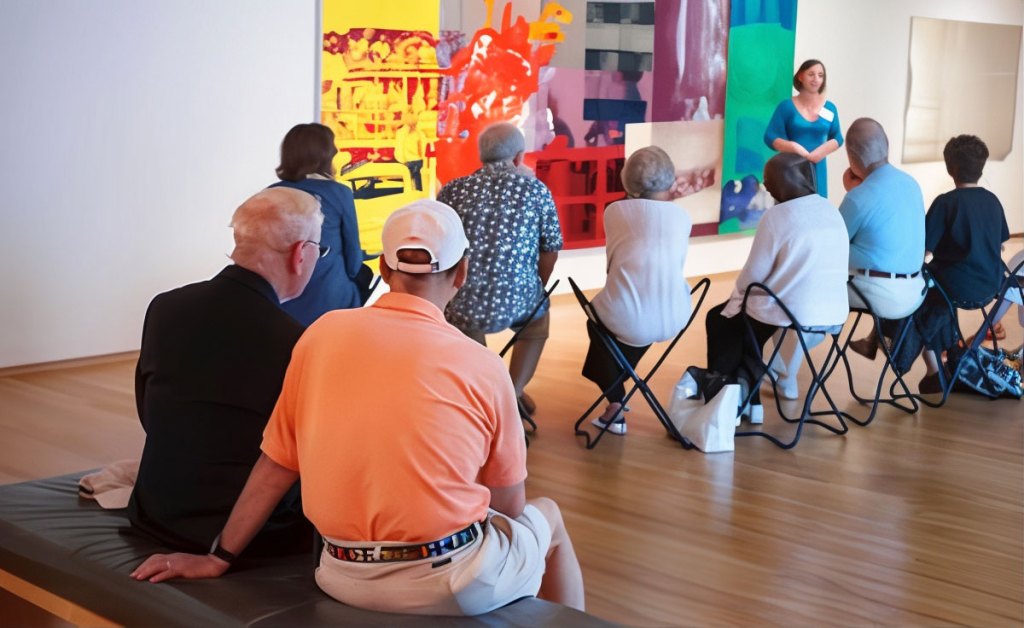
Guided art observation stimulates conversation, memories, and connections.
Credit: CaringKind
Impact
Read More
With support from the Illumination Fund, CaringKind expanded connect2culture® to offer programs in Spanish and Mandarin. COVID-19 was especially isolating for vulnerable populations, including those with dementia and their caregivers. Recognizing this urgent need, CaringKind quickly pivoted connect2culture® to a virtual setting, not only maintaining — but growing — its programmatic reach with the strategic addition of connect2culture® Spanish and Mandarin offerings to better serve its growing Latinx and Chinese communities.
Since 2022, connect2culture® has facilitated an online music program, originally planned for in-person sessions, for the Chinese community. Over the past year, the pivot to virtual programming has enabled almost 500 families to engage in singing, memory and story sharing, and endless laughter. Each session, the music therapist who facilitates these workshops invites families to create the next session’s music selection, choosing songs that reminded them of growing up in a particular region of China or Taiwan, and sing them in those dialects and languages.
In 2023, CaringKind expanded programs in northern Manhattan, where there are few to no opportunities for people to enjoy experiences with others who share their circumstances. CaringKind partnered with a ID Studio Theater, another Illumination Fund grantee, to hold workshops twice monthly for the Spanish-speaking communities.
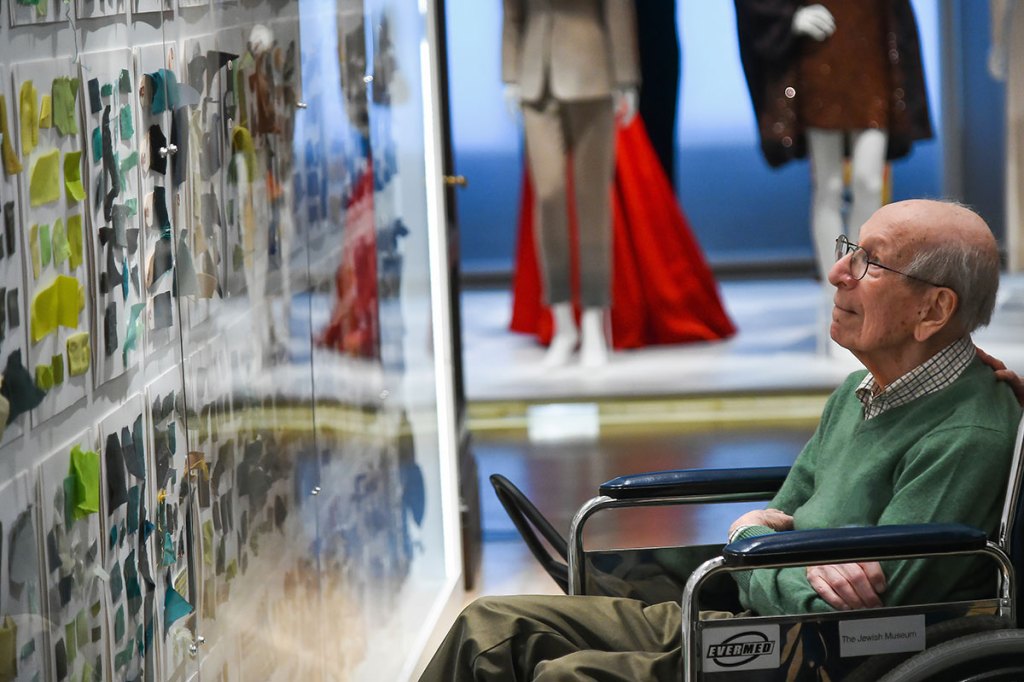
Participants make personal connections with original works of art through discussion, art making, and multi-sensory activities.
Credit: Jewish Museum
DANCE FOR PD®
Mark Morris Dance Group

Parkinson’s Disease (PD) is a progressive neurodegenerative disorder affecting both physical and cognitive abilities. Symptoms, often starting with tremors, worsen over time, and the diagnosis often becomes central to a person’s identity. PD affects people across all social, ethnic, and economic backgrounds, with 90,000 new cases diagnosed annually in the US, where about 1 million people currently live with the disease.
Stigma and isolation frequently accompany Parkinson’s, affecting both patients and their caregivers, who often bear the brunt of care and support. Vulnerable communities face additional challenges due to limited access to specialized medical care, which leads to delayed diagnosis, treatment, and support programs.
While Parkinson’s is typically associated with aging, 5-10% of cases begin before age 50, with some diagnosed as early as age 40. Early-onset Parkinson’s is often misdiagnosed or overlooked.
Population
Older Adults, Care partners
Discipline
Dance
First grant
2018
Dance for PD®, a program by the Mark Morris Dance Group, offers a research-backed, award-winning approach using dance to help individuals with Parkinson’s and their families. The program addresses symptoms such as balance, cognition, and depression while fostering physical confidence and community. Movement and social activity in these classes have been shown to help slow the progression of Parkinson’s symptoms.
In a Dance for PD® class, everyone — including care partners — participates in movement with music that can provide a respite from this condition, and, along with feeling better physically, the classes help build community and remind people that they are more than a diagnosis.
Created in 2001, Dance for PD® offers free dance, music, and movement classes for people with Parkinson’s and their care partners online globally and at nine locations in New York City, as well as comprehensive teacher training and certification, media resources, and performance activities throughout the year.
When the Illumination Fund team first learned about Dance for PD®, the Fund saw an opportunity to help the program grow and provide even greater access for marginalized communities.
“The neurologists actually saw it with their own eyes, what happened to their own patient. The same person who was shuffling in their office and having trouble with balance – in class, she was walking the floor. Seeing was believing.”
David Leventhal,
Founder and Program Director
Dance for PD®
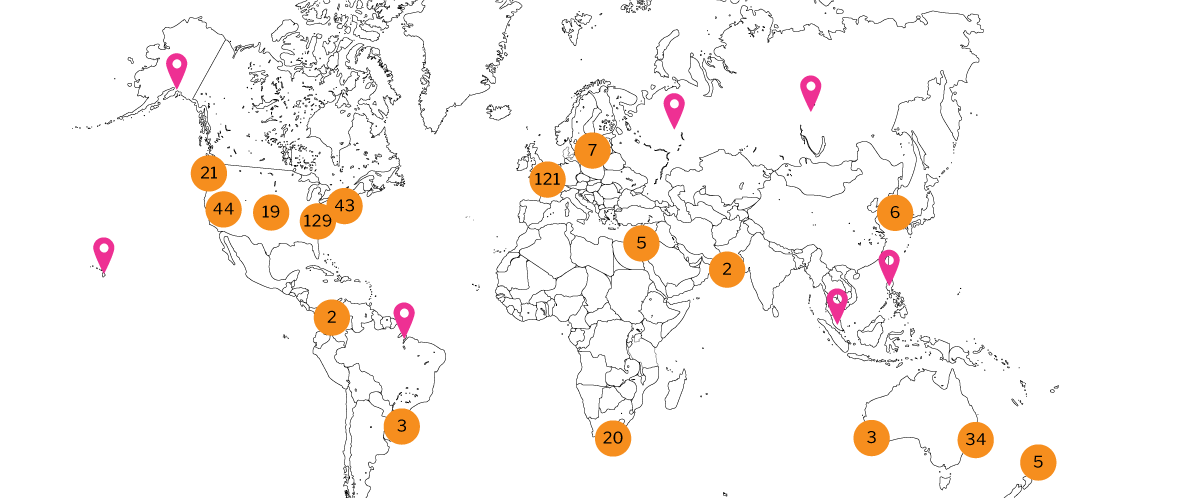
The Global Reach of Dance for PD®

“BIPOC individuals typically have less access to healthcare, which leads to a later diagnosis,” said Rick Luftglass. “This leads to worse outcomes.”
Early funding supported Dance for PD®’s general programming in New York City and helped them build capacity to reach more diverse, marginalized communities.
As of 2022, about 40,000 New Yorkers are living with Parkinson’s disease. Of those, about one in four are Spanish speakers and 5% speak either Mandarin and/or Cantonese. [LINK] These numbers do not include the large number of cases that go undiagnosed. The Illumination Fund team committed to helping Dance for PD® reach more Spanish- and Mandarin and/or Cantonese -speaking people with Parkinson’s. To accomplish this, Dance for PD® adopted a multipronged approach: building partnerships, offering professional development opportunities and classes in more languages, and providing multilingual voiceovers for existing classes.
In 2020, Dance for PD® used Illumination Fund support to partner with the Muhammad Ali Parkinson Center in Phoenix, Arizona. Through this partnership, Dance for PD® was able to offer Dance for PD® En Español over Zoom. Illumination Fund support also enabled Dance for PD® to train bilingual dance teachers and to hire multilingual teachers to record voiceovers on pre-recorded programming.
In 2022, Dance for PD® saw a 25% increase in enrollment in online classes in Mandarin, and a nearly 50% increase in online classes in Spanish. Translation proved to be a key path to expanding Dance for PD®’s reach into these often marginalized and difficult to reach communities.
“When I’m on the dance floor I don’t have any symptoms. I don’t have any tremors; I don’t have any balance problems. My cane gets put away and I feel fantastic,” said Nancy Petaja, an 80-year-old Brooklyn resident who participates in the programs at the Mark Morris Dance Center in Brooklyn.
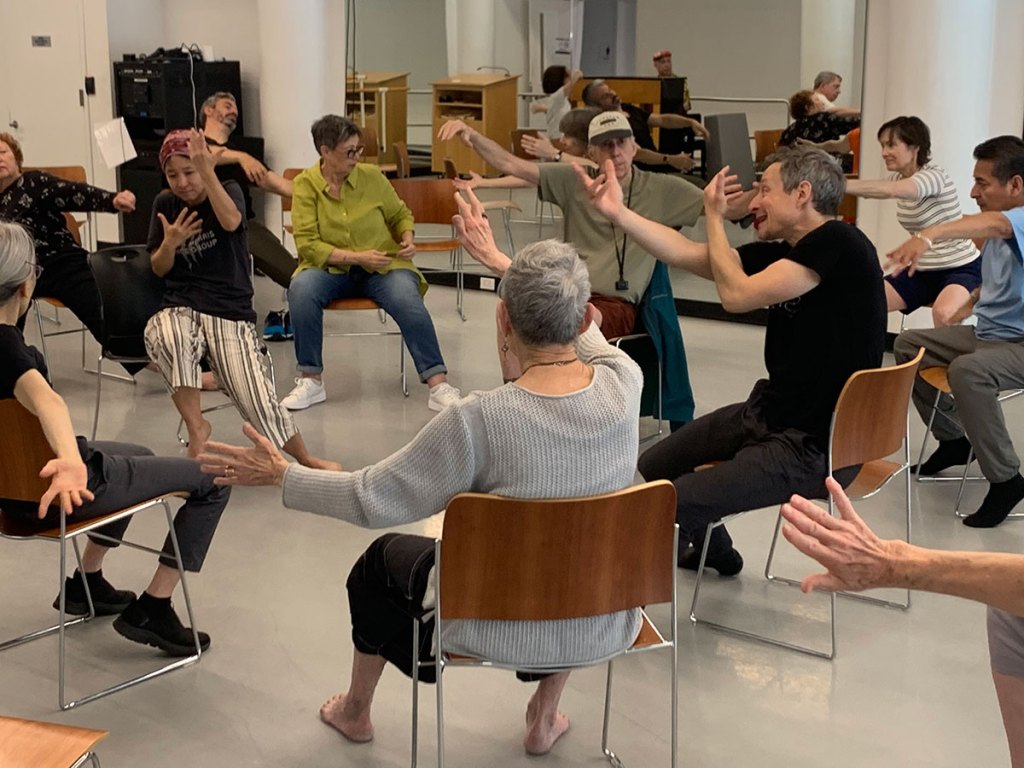
Dance for PD® provides a community that counteracts social isolation.
Credit: Dance for PD®
The Experience
The Experience
Dance for PD® classes begin with a room full of dancers, who are often 60 or older and who are often assisted with walkers or wheelchairs, stretching their arms while seated and listening to live music — drums, piano, or small combos. Care partners often join the session. Teachers design the classes using movements to address specific difficulties that patients are experiencing, although the class is not structured as therapy; throughout, teachers emphasize creativity, artistry, expression, and community. Participants engage in dance as an art form.
The classes are not just about Parkinson’s — they also provide a supportive environment.
“It is a chronic condition that one contends with for decades,” said David Leventhal, a founder and now program director of Dance for PD®: “If you’re not careful, your whole identity ends up being given over to the disease.”
Classes provide a community that counteracts the social isolation that can accompany Parkinson’s.
Global Expansion
Global Expansion
Because Mark Morris is a touring company, company members who also taught Dance for PD® organically took the course on the road with them.
“In the early 2000s,” Leventhal said, “this was totally novel. There was not a lot of opportunity for people with Parkinson’s to come together and move in any discipline.”
So, as the Mark Morris Dance Company traveled to residencies around the world, it began offering Dance for PD® classes as well. During these residencies, participants expressed eagerness to continue Dance for PD®.
Realizing the demand, Leventhal decided to train local teachers to sustain the program in their own communities, leading to the launch of Dance for PD®’s international program.
Today, Dance for PD® has a global presence, with nearly 400 sites worldwide, robust virtual programming, on-demand videos, Zoom classes, and extensive teacher training programs.
Transformation and Impact
Transformation and Impact
In a disease like Parkinson’s, the “cure vs. care” model presents a tension. Where arts in health comes in, Leventhal explained, Dance for PD® is on the care side. “Parkinson’s,” Leventhal explained, “is a neurodegenerative disease. It goes in one direction.” Care is critical for managing everyday symptoms and for living well and with dignity.
The Dance for PD® team understood the impact of the program from the start. Teachers see the transformation that happens between the first five minutes of class and the last five minutes of class. Parkinson’s can affect and freeze facial expressions and movement. During class, Leventhal watches participants “express themselves more freely — through their voices, through their faces, and through their bodies.”
In the words of one participant: “I love these classes. They are different from other dance classes because they are intellectually and artistically challenging. The most amazing thing about this class is that I remember quite a bit of the movements that go into the choreography. It is so wonderful to have these activities on a near daily basis.”
Of course, this came as no surprise to Leventhal.
“If you went into a lab and tried to design a really effective and compelling experience for people with this particular challenge, you would come out with something that looks a lot like dance.”
Building Evidence
Building Evidence
In the early days, Dance for PD® struggled to make the case of the program’s impact to professionals and clinicians in the field. The team gathered anecdotal evidence and participants shared their experiences with their neurologists. A doctor admitted: “Secretly, I love what you’re doing, but I could never talk about this at my practice because people would think that I am recommending something that is frivolous: dance.”
As the program grew, the conversation shifted. Neurologists hearing about the impact of dance from their patients began attending classes for themselves. “The neurologists actually saw it with their own eyes, what happened to their own patient. The same person who was shuffling in their office and having trouble with balance — in class, she was walking the floor,” Leventhal said. “Seeing was believing.”
Beginning in 2008, systematic research began to materialize. One study, published in Frontiers in Aging Neuroscience, found that after even a single class, patients were able to move their limbs more easily, tap their fingers, and change their facial expressions.[LINK]
Dance for PD® is now named in 48 peer-reviewed studies about the impact of dance on people with Parkinson’s disease.[LINK] There are a number of randomized control trials
on dance, including the Motor Control Dance research project, led by researchers from Columbia University and Washington University in St. Louis, Missouri. As
the research emerged, bridging the gap between the arts and science, neurologists began to refer patients to Dance for PD®.
This shifted the entire environment for Parkinson’s care. Now, from the point of diagnosis, doctors prescribe patients an exercise regimen alongside medication. Dance is now one of the four physical activities specifically recommended by the American College of Sports Medicine for people with Parkinson’s.
As of 2023, physicians and physical therapists are requesting Dance for PD® programs on-site, and health insurance is starting to get involved. Treating Parkinson’s in the US costs an estimated $14 billion annually, with indirect costs like lost productivity adding another $6.3 billion. These figures are expected to rise as the population ages, with Parkinson’s diagnoses projected to double by 2040. Dance can help reduce these costs — Kaiser Permanente has begun funding Dance for PD® programs in San Francisco.
The Pandemic
The Pandemic
In 2020, as the pandemic began to hit New York City, Mark Morris Dance Group suspended all in-person programming. The Dance for PD® team was quick to respond virtually. Dance for PD® shared its digital library of recorded classes on its main website free of charge.
Recognizing the continued need for interactivity, the team, with additional support from the Illumination Fund and others, launched a robust schedule of livestream/dial-in dance, music, and movement classes. These classes, Leventhal recalled, “quickly became a lifeline for the global Parkinson’s community.”
Each week, more than 600 people from six continents logged in to dance with the group, live, with another 2,500-3,500 people enjoying pre-recorded videos on demand. As the pandemic eventually began to wane, Dance for PD®’s digital and recorded programs continued to provide unprecedented support for the physical, mental, and emotional well-being of its community.
Dance for PD® now offers five volumes of instructional videos, available as DVDs or as streaming / downloadable digital content. About 80% of survey respondents requested that online programming remain, showing that virtual content has expanded access and forever changed how Dance for PD® reaches participants worldwide.
The “Magic”
The “Magic” of the Illumination Fund Cohort
In 2021, as the pandemic restrictions began to lift, the Dance for PD® team noticed participants were not returning to in-person classes.
Leventhal was concerned. How would he explain this dip to funders? With the Illumination Fund team, however, he felt safe, and turned to them for suggestions. “The team is approachable, kind and generous,” Leventhal said. “They have created an awesome culture with grantees.”
The Case for Arts in Health
The Case for Arts in Health
The case for arts in health is clear, Leventhal argues.
“As our population ages, many face significant health challenges that seem intractable through a purely medical lens. Focusing on just one solution, like pharmaceuticals or surgery, often addresses only part of the problem.” Arts in health, however, provides a holistic approach to managing and living with health challenges, offering broader solutions when medical answers fall short. As proof, Leventhal offered the words of one Dance for PD® participant: “What I love about the Dance for PD® program is that it doesn’t focus on what’s the matter with us. It asks what matters to us.”
Support from the Illumination Fund helped Dance for PD® to:
- Expand programming to include communities that have not previously participated
- Provide training scholarships to dance teachers of color who wanted to lead Dance for PD® classes in New York City
- Develop Inclusion, Diversity, Equity, Access (IDEA) staff training for the Dance for PD® team and the entire organization
- Participate in conferences, workshops and trainings to connect to the wider field of arts in health and further incorporate DEI into programming
- Launch livestream classes
- Expand non-English resources — including Spanish and Mandarin voiceovers for recorded classes
Measuring Impact
Measuring Impact
Grantee-Level:
- Engaged 1,800 participants (in person at six New York City locations and virtually or by phone) across 474 classes
- Received 38,000 views of on-demand content in 300 videos via the Dance for PD® website
- Presented eight teacher trainings with 145 introductory workshop participants and 177 continuing education participants; seven full scholarships to BIPOC teaching artists; launched a new partnership with The Kennedy Center to offer an annual training workshop
Building Knowledge
Building Knowledge
- Dance for PD® is named in 48 peer-reviewed studies about the impact of dance on people with Parkinson’s disease
- Leventhal and staff presented at the 2022 NSF-funded International Workshop on the Neural and Social Bases of Creative Movement; the Davis Phinney Foundation’s Healthy Parkinson’s Communities Leadership Conference; the University of Florida Center for Arts in Medicine and ArtPlace America Creating Healthy Communities Convening; the Parkinson’s and Movement Disorders Alliance; the National Organization for Arts in Health; the Hispanic Leadership Outreach Conference; the
World Parkinson’s Congress; and hundreds of training workshops
Dance for PD® uses dance for people with Parkinson’s and their caregivers
DANCES FOR A VARIABLE POPULATION
Moving Minds

Issue
Pre-pandemic, New York City’s older adults faced significant mental health risk factors, including high rates of social isolation and depression. These challenges were more extreme among low-income senior populations, which are Dances For A Variable Population’s primary service cohort. This population has a lower self-perception of their overall health (only 31% of low-income older adults rate their health as excellent, vs 57% overall), are more likely to live alone (53% vs. 32% overall), and have higher rates of depression (16% vs 9% overall).[LINK]
Read More
The SILVER Study Among Older New Yorkers found severe impacts of COVID-19 on the mental health of New York City older adults living independently.[LINK] The survey found that 20% of participants aged 70 or older screened positive for depression and 20% for anxiety, more than double pre-COVID rates. Rates were even higher in high-poverty groups: among participants with an annual income less than $25,000, 40% screened positive for depression and 30% screened positive for anxiety, while for participants with income greater than $100,000, 2% screened positive for depression and none screened positive for anxiety. In an earlier study, 50% of those surveyed know someone who died of COVID-19, and 68% reported interacting with people “a lot less” since the onset of the pandemic.
The Organization
Read More
Founded in 2005, Dances For A Variable Population is a multi-generational dance company and educational organization. It promotes strong and creative movement among older adults of all abilities, enabling them to build creativity, improve their mental and physical health, strengthen social connections, and enhance their quality of life. Since its beginning, Dances For A Variable Population has served more than 5,000 low-income, minority, and underserved older adults across 40 senior centers in New York City.

Moving Minds incorporates a mental health and wellbeing curriculum into its dance classes.
Credit: Dances For A Variable Population
Grant
Read More
Purpose: To support the development of Moving Minds to incorporate a mental health component into its signature Movement Speaks™ program.
Movement Speaks™, Dances For A Variable Population’s flagship program, is a sequential 12-35-week program for groups of 10-40 older adults. The curriculum, led by teaching artists, follows a series of movement exercises and individual and collaborative creative movement prompts. The curriculum culminates in the creation of original dance works, which participants perform together.
As mental health challenges exploded during the pandemic, Dances For A Variable Population saw the potential to deepen and extend the benefits of the Movement Speaks™ program by integrating a mental health professional to work with the teaching artists. The adaptation was named Moving Minds. Teaching artists were trained to lead discussion groups before and after classes to check in on the participants’ mental well-being, in addition to their satisfaction and engagement with the program.
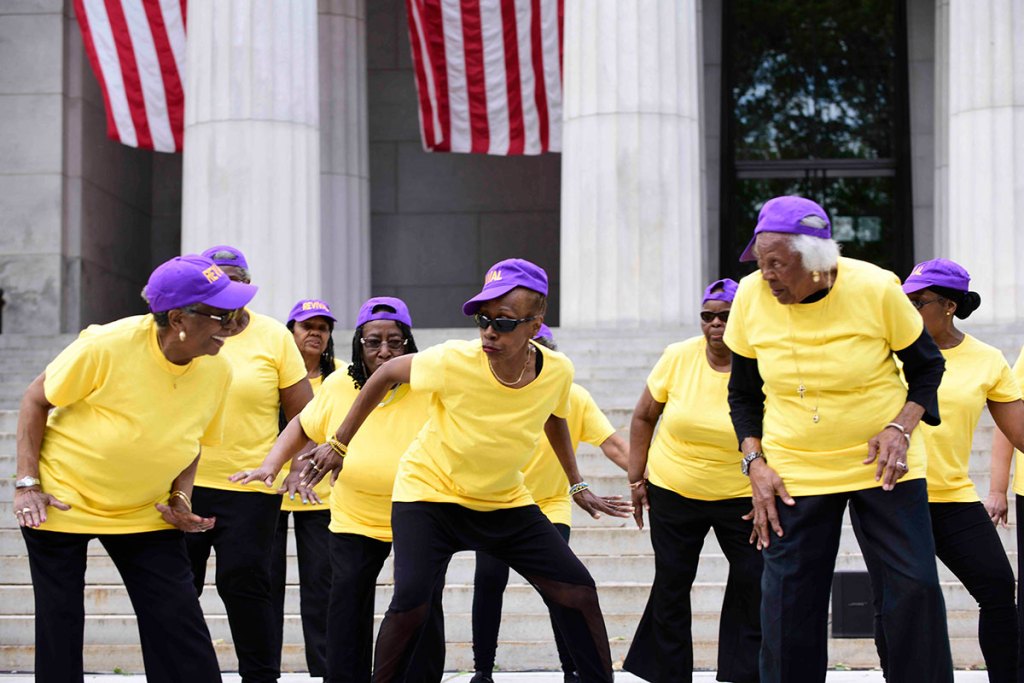
Dances For A Variable Population has served more than 5,000 seniors across 40 community sites.
Impact
Read More
Dances For A Variable Population built an evaluation framework at the beginning of the Moving Minds program, with quantitative and qualitative components. The surveys and focus groups documented a positive impact on mental and physical health and quality of life, including increased confidence, creativity, and positive self-concept, as well as increased social connection.
- Participants rated their physical health as significantly better at the end of the program than before they started the program
- Participants rated their mental health and social life as significantly better at the end of the program
- Participants rated their levels of isolation as significantly less at the end of the program
- Participants reported that they understood dance, were more creative, and learned new dance skills
- Qualitative results indicate a shift from a negative/neutral stance in participants to a positive one
- The feedback from the instructors corresponds with the feedback from the participants
In 2022, Moving Minds was offered at four locations (in the Bronx, Harlem, Queens, and by Zoom). In 2023, Moving Minds expanded to six additional locations (in the Bronx, Harlem, the Upper West Side, the Lower East Side, and Chinatown). The year culminated with the creation of a Moving Minds handbook to remind teaching artists of the new skills and approaches they learned throughout the project.
QUEENS MUSEUM
ArtAccess

Issue
People with varying physical, emotional, cognitive, or behavioral abilities have more difficulty accessing arts programming.
The Organization
Read More
The Queens Museum is dedicated to presenting the highest quality visual arts and educational programming for the people of New York, and particularly the residents of Queens, the most diverse county in the continental US The Museum’s work honors the history of its site and the diversity of its communities through a wide ranging and integrated program of exhibitions, educational initiatives, and public events.
Grant
Read More
Purpose: To support the Queens Museum’s ArtAccess programs, which serve children and adults with varying physical, emotional, behavioral, and cognitive abilities across the New York City area.
In addition to serving visitors on site, in school classrooms, and through online video platforms, ArtAccess provides programming for people in special situations, such as those who are homebound, suffering from extended illness, incarcerated, or in foster care. New programs are serving seniors, including those with cognitive challenges.
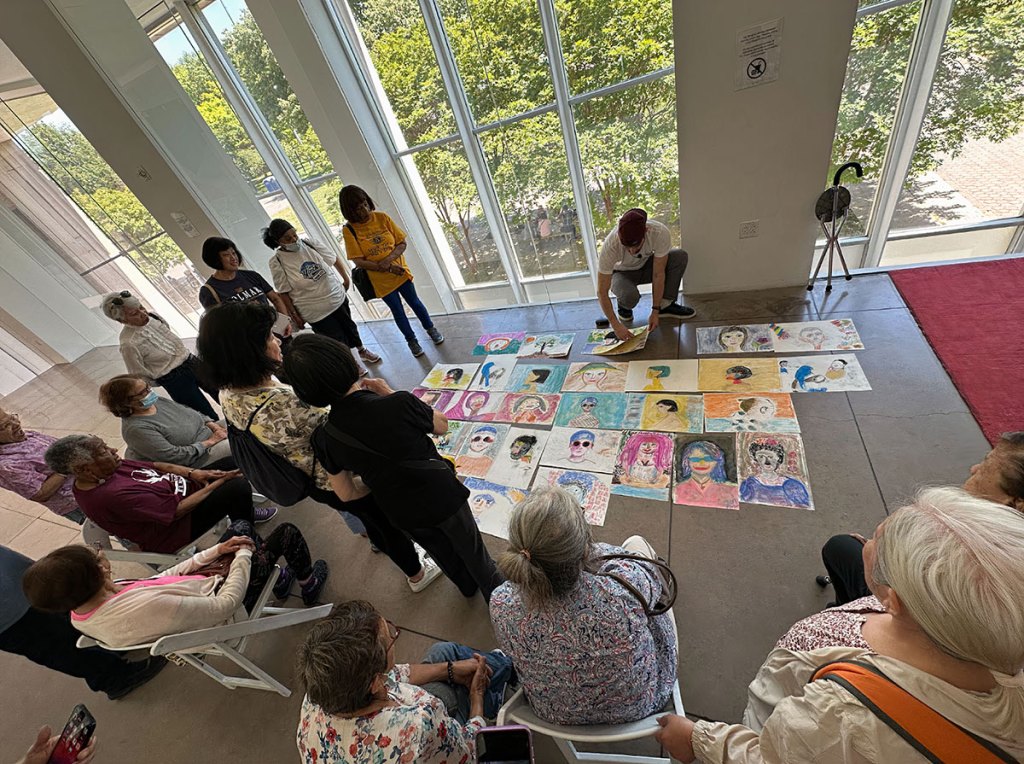
ArtAccess programs serve children and adults with varying physical, emotional, behavioral, and cognitive abilities across NYC. Credit: Queens Museum
Impact
Read More
The Queens Museum serves 5,500 individuals with disabilities each year via ArtAccess, offering tours, workshops, and special programs both on and offsite, reaching English, Spanish, Korean, and Mandarin speaking populations. The goal of ArtAccess is to create opportunities for people with disabilities to express themselves creatively, develop new skills, and engage with others.
In 2023, the Queens Museum embarked on a new ArtAccess program for older adults and seniors titled Artistry in Bloom. This program consists of a series of six workshops of 10 weeks each, serving 125 total participants and spanning a range of subjects and disciplines from printmaking, creative jewelry, and mixed media to storytelling, bookmaking, and portraiture. The workshops intentionally facilitate social interaction among participants and with Queens Museum staff.
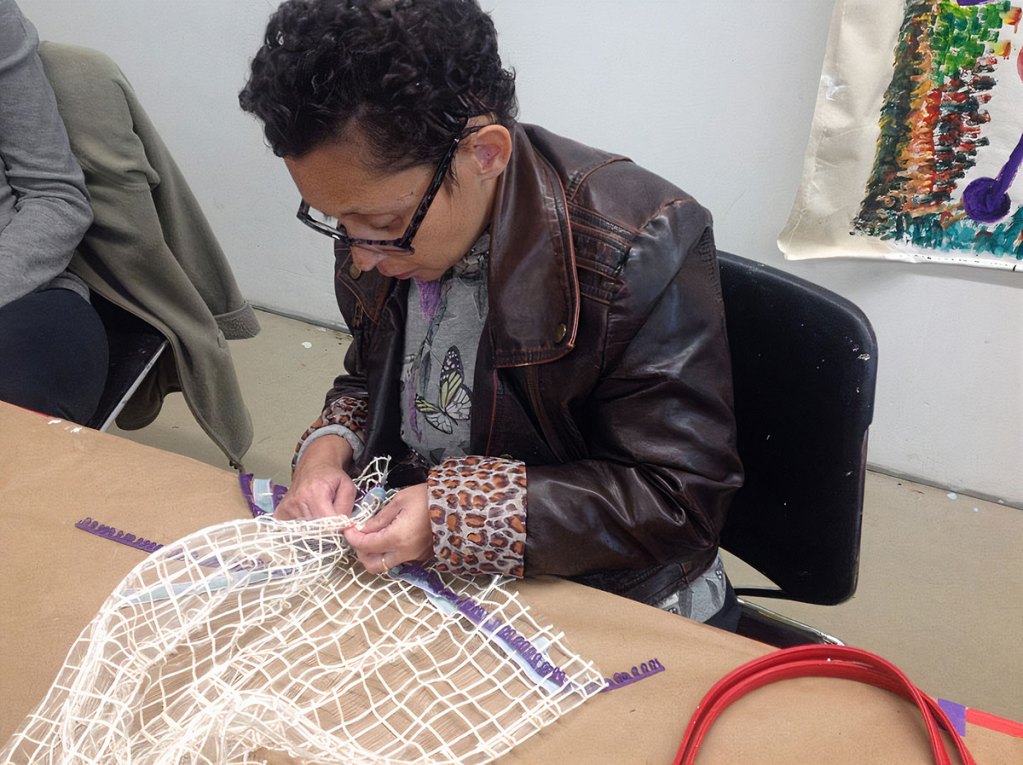
The Queens Museum serves 5,500 people each year through ArtAccess.
Credit: Queens Museum
THE CREATIVE CENTER AT UNIVERSITY SETTLEMENT
Hospital Artists-in-Residence, Art Workshops, Training Institute
Issue
Many people with chronic illness live alone and, because of their diagnosis and subsequent disability, are often isolated. Sometimes restricted by both physical and psychological limitations, people with chronic illnesses, such as cancer, often lack a robust community of support and encouragement. Art-making can be an important tool to help process and express these circumstances and provide positive distraction and relief. A growing body of research has proven the value of the arts as a treatment modality for a variety of symptoms and for building community among those living with illness, as well as their families, healthcare staff, and the public.
The Organization
Read More
The Creative Center at University Settlement brings the arts to patients and survivors of cancer and other chronic illnesses, older adults across the aging spectrum, and healthcare staff and administrators. The Creative Center’s programs include hospital artists-in-residence, community art-making workshops in multiple disciplines, creative aging consulting workshops, and professional training. Programs are designed to develop participants’ capacity for expression, build community, and train organizers of arts-in-healthcare and creative aging programs throughout the country.
Grant
Read More
Purpose: To provide general operating and program support.
The Creative Center’s workshops, which provide instruction in visual, performing, and literary arts, help people living with and beyond cancer develop creative and technical skills to discover a unique means of recovery and an outlet for expression. Workshops offer participants a “space away from illness,” and a community for sharing concerns, fears, and questions about their illness, diagnosis, treatment, and life beyond illness. Medical staff, social workers, support group leaders, and the hospital artists-in-residence refer patients and survivors to The Creative Center’s workshops. Participants range in age from late teens to those in their nineties and reflect the ethnic and socioeconomic diversity of New York City.
Core Programs
Read More
The Hospital Artists-in-Residence Program provides high-quality arts experiences and instruction to patients, their families and caregivers, and healthcare professionals in hospital settings. The Creative Center currently partners with eight hospitals, including Mount Sinai, New York Presbyterian, NYU Langone, and multiple hospitals within the NYC Health + Hospitals system. In addition to hosting workshops for patients, the Creative Center offers workshops to hospital staff, contributing to a richer employee experience and cultivating empathy between patients and their providers.
Art workshops offered at The Creative Center’s studio on Manhattan’s Lower East Side, as well as at community sites and hospitals throughout New York City, are designed to serve participants who are living with and beyond cancer, participants with chronic illness, and their caregivers. Workshops are offered daily, both in-person and virtually.
In addition to running its own programs and providing services in New York City, The Creative Center works to build the capacity of organizations throughout the country to deliver creative aging and arts-in-healthcare programs. Each year, the Training Institute for Arts in Healthcare and Creative Aging invites 40 artists and administrators in these fields for a week-long intensive to learn best practices and the latest research from national leaders.
Impact
Read More
Between 2018-2023, the Illumination Fund’s support has helped The Creative Center offer a range of transformative arts experiences including:
- More than 60 hospital artists-in-residence across 30+ sites
- Almost 800 total arts workshops, both in-person and virtual, reaching thousands of attendees
- An average of 35 presenters at each annual Training Institute

The Creative Center brings the arts to patients and survivors of cancer and other chronic illnesses, older adults across the aging spectrum, and healthcare staff and administrators.
Credit: The Creative Center
Endnotes
1. Eddie Torres, “The Role of Arts and Culture in Health,” Grantmakers in the Arts, Accessed May 23, 2019, https://www.giarts.org/blog/eddie/role-arts-and-culture-health
2. Cara James, “NeuroArts Blueprint,” Aspen Institute, Accessed 2021, https://neuroartsblueprint.org/wp-content/uploads/2021/11/NeuroArtsBlue_ExSumReport_FinalOnline_spreads_v32.pdf
3. “Household Pulse Survey, 2020–2024. Anxiety and Depression,” National Center for Health Statistics, accessed on September 16, 2024, https://www.cdc.gov/nchs/covid19/pulse/mental-health.htm
4. “Fauci: Coronavirus Is Shining a Bright Light on Health Disparities,” C-SPAN, Accessed April 7, 2020, https://www.c-span.org/video/?c4867412/user-clip-fauci-coronavirus-is-shining-bright-light-health-disparities
5. “COVID Data Tracker,” Centers for Disease Control and Prevention, accessed September 17, 2024, https://covid.cdc.gov/covid-data-tracker/#datatracker-home
6. Anthony Fauci, “It Ain’t Over Till It’s Over…but It’s Never Over.” New England Journal of Medicine (November 26 2022), https://www.nejm.org/doi/full/10.1056/NEJMp2213814
7. Corrine Thompson, Jennifer Baumgartner, Carolina Pichardo, et al. “COVID-19 Outbreak — New York City, February 29–June 1, 2020.” Morbidity and Mortality Weekly Report 69 (2020): 1725–1729. http://dx.doi.org/10.15585/mmwr.mm6946a2
8. Lunna Lopes, Ashley Kirzinger, Grace Sparks, Mellisha Stokes, and Mollyann Brodie, “KFF/CNN Mental Health in America Survey: Findings,” Kaiser Family Foundation, effective October 05, 2022, https://www.kff.org/report-section/kff-cnn-mental-health-in-america-survey-findings/
9. Vivek Murthy, MD. Onstage conversation with Oprah Winfrey. UCLA, May 4. 2023 (retrieved September 29, 2024) https://www.uclahealth.org/news/article/oprah-winfrey-us-surgeon-general-vivek-murthy-headline-wow
10. “Behavioral Health Needs Are Largely Unmet Across the U.S.,” Pew Charitable Trusts, effective May 22, 2024, https://www.pewtrusts.org/en/research-and-analysis/data-visualizations/2024/behavioral-health-needs-are-largely-unmet-across-the-us
11. Meghan Hamwey, Christina Norman, Rachel Suss, et al, “State of Mental Health of New Yorkers,” New York City Department of Health and Mental Hygiene, effective May, 2024, https://www.nyc.gov/assets/doh/downloads/pdf/mh/state-of-mental-health-new-yorkers.pdf
12. Lunna Lopes, Ashley Kirzinger, Grace Sparks, Mellisha Stokes, and Mollyann Brodie, “KFF/CNN Mental Health in America Survey: Findings,” Kaiser Family Foundation, effective October 05, 2022, https://www.kff.org/report-section/kff-cnn-mental-health-in-america-survey-findings/
13. D. Fancourt and S. Finn, “What is the evidence on the role of the arts in improving health and well-being? A scoping review.” WHO Regional Office for Europe: Health Evidence Network Synthesis Report, no.67 (2019), https://www.who.int/europe/publications/i/item/9789289054553
14. Daisy Fancourt and Saoirse Finn, What is the evidence on the role of the arts in improving health and well-being? A scoping review (Copenhagen: WHO Regional Office for Europe, 2019), Health Evidence Network synthesis report, No. 67. 2. RESULTS, https://www.ncbi.nlm.nih.gov/books/NBK553778/
15. NeuroArts Blueprint: Advancing the Science of Arts, Health, and Wellbeing, The Aspen Institute, (November 2021), https://www.aspeninstitute.org/wp-content/uploads/2021/11/NeuroArtsBlue_Vol2_ExSumReport_v24spreads.pdf
16. NeuroArts Blueprint: Advancing the Science of Arts, Health, and Wellbeing, The Aspen Institute, (November 2021), https://www.aspeninstitute.org/wp-content/uploads/2021/11/NeuroArtsBlue_Vol2_ExSumReport_v24spreads.pdf
17. Olga Tarasov, Melissa A. Berman, and Renee Karibi-White, “Operating Archetypes: Philanthropy’s New Analytical Tool for Strategic Clarity,” 2022, https://www.rockpa.org/wp-content/uploads/2022/04/Operating-Archetypes-Philanthropys-New-Analytical-Tool-for-Strategic-Clarity-2.pdf
18. Yasemin Özümerzifon, Allison Ross, Tessa Brinza, Gina Gibney, and Carol Ewing Garber, “Exploring a Dance/Movement Program on Mental Health and Well-Being in Survivors of Intimate Partner Violence During a Pandemic.” Frontiers in Psychiatry, (May 26, 2022), https://pubmed.ncbi.nlm.nih.gov/35722545
19. Judith Bek, Aline I. Arakaki, Fleur Derbyshire-Fox, Gayathri Ganapathy, Mathew Sullivan, and Ellen Poliakoff, “More than Movement: Exploring Motor Simulation, Creativity and Function in Co-developed Dance for Parkinson’s.” Frontiers in Psychology (February 28, 2022), https://www.frontiersin.org/journals/psychology/articles/10.3389/fpsyg.2022.731264/full
20. Li-Li Wang, Cai-Jie Sun, Yan Wang, Ting-Ting Zhan, Juan Yuan, Cong-Ying Niu, Jie Yang, Shan Huang, Ling Cheng, “Effects of dance therapy on non-motor symptoms in patients with Parkinson’s disease: a systematic review and meta-analysis,” Aging Clin Exp Res, no.34 (November 2021): 1201-1208), https://link.springer.com/article/10.1007/s40520-021-02030-7
21. Elizabeth Norton, Ann Hemingway, and Caroline Ellis Hill, “The Meaning and Impact on Well-Being of Bespoke Dancing Sessions for Those Living with Parkinson’s,” International Journal of Qualitative Studies on Health and Well-being, no. 1 (December 2023): https://pubmed.ncbi.nlm.nih.gov/37559339/
22. “NYC Vital Signs,” New York City Department of Health and Mental Hygiene (June 2015), https://home.nyc.gov/assets/doh/downloads/pdf/survey/survey-2015serious-mental-illness.pdf
23. “Prison Policy Initiative, “Mass Incarceration: The Whole Pie 2019,” Last modified March 19, 2019, https://www.prisonpolicy.org/reports/youth2019.html
24. “Kids,” National Alliance on Mental Illness (NAMI), accessed August 1, 2024, https://www.nami.org/your-journey/kids-teens-and-young-adults/kids/#:~:text=Mental%20health%20conditions%20are%20very,before%20the%20age%20of%2024
25. Vanessa Pinfold, Graham Thornicroft, Peter Huxley, Paul Farmer, “Active ingredients in anti-stigma programmes in mental health,” International Review of Psychiatry, (Summer 2009): 123-131, https://pubmed.ncbi.nlm.nih.gov/16194782/
26. “Mental Health,” U.S. Department of Veterans Affairs, accessed August 15, 2024, https://www.mentalhealth.va.gov/
27. Britt Stigler, “How Gibney Dance Studios Expanded More Than Just Their Footprint,” October 3, 2019, https://www.allarts.org/2019/10/gibney-dance-studios-expanded-more-than-just-their-footprint/
28. All Arts TV, “How Gibney Dance Studios Expanded More Than Just Their Footprint,” October 3, 2019, video, https://www.youtube.com/watch?v=10m6cD3ipgg&t=79s
29. “Intimate Partner Violence Prevention Resource for Action: A Compilation of the Best Available Evidence,” Centers for Disease Control and Prevention, 2017, accessed August 1, 2024, https://www.cdc.gov/violenceprevention/pdf/ipv-prevention-resource_508.pdf
30. Julie Wertheimer-Meier & Edward Hill, “Rates of Intimate Partner Violence Across New York City: An Intersectional Analysis,” NYC Mayor’s Office to End Domestic and Gender-Based Violence, September 2022, https://www.nyc.gov/assets/ocdv/downloads/pdf/Community-District-FA-IPV-Final-Report.pdf
31. “Domestic Violence: Recent Trends in New York,” Office of Budget and Policy Analysis of the New York State Comptroller, October 2023, accessed August 1, 2024, https://www.osc.ny.gov/files/reports/pdf/domestic-violence-recent-trends-10-23.pdf
32. Katherine M. Iverson, Ph.D., “Addressing the Stress and Trauma of Experiencing Intimate Partner Violence,” US Department of Veterans’ Affairs National Center for PTSD, accessed August 1, 2024, https://www.ptsd.va.gov/professional/treat/type/intimate_partner_violence.asp
33. “Impact Report: COVID-19 and Domestic Violence Trends,” Council on Criminal Justice National Commission on COVID-19 and Criminal Justice, accessed August 1, 2024, https://counciloncj.org/impact-report-covid-19-and-domestic-violence-trends/
34. Yasemin Özümerzifon, Allison Ross, Tessa Brinza, Gina Gibney, Carol Ewing Garber, “Exploring a Dance/Movement Program on Mental Health and Well-Being in Survivors of Intimate Partner Violence During a Pandemic,” Frontiers in Psychiatry, May 26, 2022, https://pubmed.ncbi.nlm.nih.gov/35722545/
35. “Reporting Center Data,” Stop AAPI Hate, accessed August 16, 2024, https://stopaapihate.org/explore-our-data
36. “National Latino and Asian American Study,” Mass General Research Institute, accessed August 16, 2024, https://www.massgeneral.org/mongan-institute/centers/dru/research/past/nlaas
37. “Stop AAPI Hate Mental Health Report,” Stop AAPI Hate, May 27, 2021, https://stopaapihate.org/2021/05/27/press-statement-mental-health-report/
38. “New Report: Elderly Asian Americans Report Significant Fear of Physical Assault, Stress and Anxiety,” Stop AAPI Hate, last modified May 24, 2022, https://stopaapihate.org/2022/05/24/release-elder-report-2022/
39. “Mental and Behavioral Health – Asian Americans,” U.S. Department of Health and Human Services Office of Minority Health, accessed August 30, 2024, https://minorityhealth.hhs.gov/mental-and-behavioral-health-asian-americans
40. Boreth Ly, Traces of Trauma: Cambodian Visual Culture and National Identity in the Aftermath of Genocide (University of Hawaii Press).
41. “From Innovation to Integration,” City of New York, accessed August 15, 2024, https://mentalhealth.cityofnewyork.us/integration
42. Patrick Corrigan, PsyD, “Fighting the stigma of mental illness, with Patrick Corrigan, PsyD,” interviewed by Kim Mills, Speaking of Psychology, American Psychological Association, February 2022, https://www.apa.org/news/podcasts/speaking-of-psychology/mental-illness-stigma
43. “Survey: Americans Becoming More Open About Mental Health,” American Psychological Association, last modified May, 2019, https://www.apa.org/news/press/releases/2019/05/mental-health-survey
44. “Forum Theater,” Involve UK, accessed July 31, 2024, https://www.involve.org.uk/resource/forum-theatre
45. Aaron Samuel Breslow, PhD, Sherry Simkovic, BA, Peter J. Franz, PhD, Elizabeth Cavic, EdM, MA, Qi Liu, PhD, Natalie Ramsey, MD, PhD, Jonathan E. Alpert, MD, PhD, Benjamin Le Cook, PhD, and Vilma Gabbay, MD, “Racial and Ethnic Disparities in COVID-19-Related Stressor Exposure and Adverse Mental Health Outcomes Among Health Care Workers”, The American Journal of Psychiatry, no. 12 (November 9, 2023), https://ajp.psychiatryonline.org/doi/abs/10.1176/appi.ajp.20220180
46. “Latinx/Hispanic Communities and Mental Health.” Mental Health America, accessed August 1, 2024, https://www.mhanational.org/issues/latinxhispanic-communities-and-mental-health
47. Ibid.
48. “Health of Indigenous Peoples of the Americas Living in New York City,” NYC Health, December 2021, https://www.nyc.gov/assets/doh/downloads/pdf/episrv/indigenous-peoples-health-2021.pdf
49. “Indigenous,” National Alliance on Mental Illness, accessed August 16, 2024, https://www.nami.org/your-journey/identity-and-cultural-dimensions/indigenous/
50. German Lopez and Ashley Wu, “Covid’s Toll on Native Americans,” New York Times, September 8, 2022, https://www.nytimes.com/2022/09/08/briefing/covid-death-toll-native-americans.html
51. Rhitu Chaterjee, “Hit Hard by COVID, Native Americans come together to protect families and elders,” NPR, November 24, 2021, https://www.npr.org/sections/health-shots/2021/11/24/1058675230/hit-hard-by-covid-native-americans-come-together-to-protect-families-and-elders
52. “Global Refuge calls for additional protections and support for unaccompanied migrant children,” Global Refuge, October 27, 2023, https://www.globalrefuge.org/news/lirs-calls-for-additional-protections-and-support-for-unaccompanied-migrant-children/
53. Camilo Montoya-Galvez, “Immigration Unaccompanied Migrant Children Record Numbers in U.S. Shelter System,” CBS News, October 14, 2022, https://www.cbsnews.com/news/immigration-unaccompanied-migrant-children-record-numbers-us-shelter-system/
55. Charlaine Lasse, MSN, RN, RNC-NIC, “A Chorus of Nursing Voices and the Timeless Truths of Ancient Tragedy,” Off the Charts, (April 11, 2024), https://ajnoffthecharts.com/a-chorus-of-nursing-voices-and-the-timeless-truths-of-ancient-tragedy/
56. Kimberlyn Leary, Ph.D. Mental Health and Girls of Color. The Center on Gender Justice & Opportunity at Georgetown Law, 2020. Accessed August 16, 2024, https://genderjusticeandopportunity.georgetown.edu/wp-content/uploads/2020/06/Mental-Health-and-Girls-of-Color.pdf
57. “Young Women of Color and Mental Health,” The Center for Law and Social Policy, last modified 2018, https://www.clasp.org/wp-content/uploads/2022/01/2018_mentalhealth.pdf
58. “What Is Dementia?” Alzheimer’s Association, accessed August 17, 2024, https://www.alz.org/alzheimers-dementia/what-is-dementia
59. “Alzheimer’s Facts and Figures,” Alzheimer’s Association, accessed August 17, 2024, https://www.alz.org/media/Documents/alzheimers-facts-and-figures.pdf
60. Jack C Lennon, Stephen L Aita, Victor A Del Bene, Tasha Rhoads, Zachary J Resch, Janelle M Eloi, Keenan A Walker, “Black and White individuals differ in dementia prevalence, risk factors, and symptomatic presentation,” Alzheimer’s and Dementia: The Journal of the Alzheimer’s Association, (Summer 2022), https://pubmed.ncbi.nlm.nih.gov/34854531/
61. ”Asian Languages in New York City,” American Asian Federation, accessed August 17, 2024, https://www.aafederation.org/research/asian-languages-in-new-york-city/
62. Ruthann Richter, “A New Rhythm Dance benefits Parkinson’s patients,” Stanford Medicine Magazine, February 17, 2017, http://stanmed.stanford.edu/dance-for-parkinsons-disease-at-the-stanford-neuroscience-health-center/
63. “Research,” Dance for Parkinson’s, accessed August 17, 2024, https://danceforparkinsons.org/resources/research/
64. “Health of Older Adults in New York City,” NYC Health, 2019, https://www.nyc.gov/assets/doh/downloads/pdf/episrv/2019-older-adult-health.pdf
65. “Silver Study Among Older New Yorkers: Summary of Findings Round 2,” icap Global Health, 2022, https://icap-aws-bucket.s3.amazonaws.com/icapcolumbiau/wp-content/uploads/SILVER-Study-Round-2.pdf
Arts in Health Initiative Grantees: 2018 – 2023
Art Start
Focus Area: Mental Health
Serving: At-risk and System-impacted Youth
Discipline: Visual Art
Artistic Noise
Focus Area: Mental Health
Serving: At-risk and System-impacted Youth
Discipline: Visual Art
Arts & Minds
Focus Area: Aging-related Diseases
Serving: People with Alzheimer’s and other forms of dementia, along with their Caregivers
Discipline: Visual Art
CaringKind – connect2culture®
Focus Area: Aging-related Diseases
Serving: People with Alzheimer’s and other forms of dementia, along with their Caregivers
Discipline: Visual Art, Music, Dance
Common Threads Project
Focus Area: Mental Health, Trauma
Serving: Refugees, Survivors of Gender-based Violence
Discipline: Textile
Community Access
Focus Area: Mental Health, Stigma
Serving: Youth
Discipline: Filmmaking
Dance for PD® (Mark Morris Dance Group)
Focus Area: Aging-related Diseases
Serving: People with Parkinson’s Disease, along with their Caregivers
Discipline: Dance
Dance/NYC
Focus Area: Mental Health
Serving: Arts Organization Staff
Discipline: Dance
Dances For A Variable Population
Focus Area: Mental Health
Serving: Older Adults
Discipline: Dance
Darkness RISING Project
Focus: Mental Health
Serving: BIPOC Communities and Formerly Incarcerated Individuals
Discipline: Music
DE-CRUIT
Focus Area: Mental Health, Trauma
Serving: Veterans
Discipline: Theater
Fountain House Gallery
Focus: Mental Health, Stigma
Serving: Artists with Mental Illness
Discipline: Visual Art
Gibney
Focus Area: Mental Health, Trauma
Serving: Women, Survivors of Gender-based Violence
Discipline: Dance
ID Studio Theater
Focus Area: Mental Health
Serving: Latinx community
Discipline: Theater
IndieSpace
Focus Area: Mental Health
Serving: Theater artists, including BIPOC
Discipline: Theater
Kundiman
Focus Area: Mental Health
Serving: Asian American writers
Discipline: Literary
Mekong NYC
Focus Area: Mental Health, Stigma
Serving: Southeast Asian community
Discipline: Music, Dance, Visual Art
NYC Department of Health and Mental Hygiene
Focus Area: Mental Health, Stigma
Serving: Community members and people with mental illness
Discipline: Visual Art
NYC Health + Hospitals
Focus Area: Mental health and wellness
Serving: Health Care staff, Patients, Community
Discipline: Visual Art, Music
Pregones / Puerto Rican Traveling Theater
Focus Area: Mental Health
Serving: Latinx community
Discipline: Theater
Queens Museum
Focus Area: Aging-related Diseases
Serving: Older Adults, Youth, Community
Discipline: Visual Art
Recess
Focus Area: Mental Health
Serving: Court-involved young adults
Discipline: Visual Art and Performance Art
Redhawk Native American Arts Council
Focus Area: Mental Health
Serving: Native American Communities
Discipline: Music
Target Margin Theater
Focus Area: Mental Health
Serving: Asian, Arab, and Latinx Immigrant Communities
Discipline: Theater, Storytelling
Terra Firma (RSVP)
Focus Area: Mental Health, Trauma
Serving: Migrant Youth
Discipline: Visual Art, Music, Theater, Architecture
The Art Therapy Project
Focus Area: Trauma
Serving: Veterans, Survivors of Gender-based Violence, At-risk Youth
Discipline: Visual Art
The Creative Center at University Settlement
Focus Area: Aging-related Diseases
Serving: Older Adults, Caregivers, Health Care Staff, Survivors of Life-Threatening Diseases
Discipline: Visual Art
Theater of War Productions
Focus Area: Mental Health, Trauma, Aging-related Diseases
Serving: Health Care staff, Community
Discipline: Theater
viBe Theater Experience
Focus Area: Mental Health
Serving: Girls, Young Women, and Nonbinary Youth of Color
Discipline: Theater, Music
Authors and Credits
Including print, web and video
Laurie M. Tisch Illumination Fund
Laurie M. Tisch
Rick Luftglass
Kira Pritchard
Jan Rothschild
Rockefeller Philanthropy Advisors
Sanya Mirpuri
Naamah Paley Rose
Contributors
Michelle Bae
Susan Magsamen
Latanya Mapp
Interviews
Rachel Cohen, Common Threads Project
Bryan Doerries, Theater of War
Carlita Ector, Darkness RISING Project
Vesna Golic, Common Threads Project
Karen Gormandy, Fountain House
Carolyn Halpin-Healy, Arts & Minds
Victoria Hristoff, Artistic Noise
Sarah Johnson, Carnegie Hall
Mitchell Katz, NYC Health + Hospitals
David Leventhal, Mark Morris/Dance for PD®
Arnaldo López, Pregones/PRTT
Jorge Merced, Pregones/PRTT
James Noble, Arts & Minds
Yasemin Özümerzifon, Gibney
Liz Rubel, The Creative Center
Cris Scorza, Whitney Museum of American Art
Larissa Trinder, NYC Health + Hospitals
Eric Wei, NYC Health + Hospitals
Rachel Weisman, Fountain House
John Williams, Community Access
Calder Zwicky, Artistic Noise
Design and Graphics
Design: In-House International (weareinhouse.com)
Art Direction: Lope Gutierrez-Ruiz
Senior Designers: Alex Wright, Louis Charles Round
Typefaces: Libre Franklin by Impallari Type, Tiempos Headline by Klim Type Foundry
Printed at Branded Visual Solutions, Bohemia, NY
Cover: #120 Sylvamo Accent Cover
Book Block: #100 Sylvamo Accent Text
Copyediting
Nora Connor
Cover and Back Cover
Detail from Circle of Life, mural by Sophia Chizuco at NYC Health + Hospitals/Carter, 2019. Photo by Nicholas Knight
(c) 2024 Laurie M. Tisch Illumination Fund All rights reserved
Videography
Accompanying videos can be found on the Laurie M. Tisch Illumination Fund website
Richard Davis
David Schulder
Arts in Health Initiative Grantees: 2018 – 2023
Across all programs.
Focus Area: Mental Health
Serving: At-risk and System-impacted Youth
Discipline: Visual Art
Focus Area: Mental Health
Serving: At-risk and System-impacted Youth
Discipline: Visual Art
Focus Area: Aging-related Diseases
Serving: People with Alzheimer’s and other forms of dementia, along with their Caregivers
Discipline: Visual Art
✼ CaringKind – connect2culture®
Focus Area: Aging-related Diseases
Serving: People with Alzheimer’s and other forms of dementia, along with their Caregivers
Discipline: Visual Art, Music, Dance
Focus Area: Trauma
Serving: Refugees, Survivors of Gender-based Violence
Discipline: Textile
Focus Area: Mental Health, Stigma
Serving: Youth
Discipline: Filmmaking
✼ Dance for PD (Mark Morris Dance Group)
Focus Area: Aging-related Diseases
Serving: People with Parkinson’s Disease, along with their Caregivers
Discipline: Dance
Focus Area: Mental Health
Serving: Arts Organization Staff
Discipline: Dance
✼ Dances For A Variable Population
Focus Area: Mental Health
Serving: Older Adults
Discipline: Dance
Focus: Mental Health
Serving: BIPOC Communities and Formerly Incarcerated Individuals
Discipline: Music
✼ DE-CRUIT
Focus Area: Mental Health
Serving: Veterans
Discipline: Theater
Focus: Mental Health, Stigma
Serving: Artists with Mental Illness
Discipline: Visual Art
✼ Gibney
Focus Area: Mental Health, Trauma
Serving: Women, Survivors of Gender-based Violence
Discipline: Dance
Focus Area: Mental Health
Serving: Latinx community
Discipline: Theater
Focus Area: Mental Health
Serving: Theater artists, including BIPOC
Discipline: Theater
✼ Kundiman
Focus Area: Mental Health
Serving: Asian American writers
Discipline: Literary
Focus Area: Mental Health, Stigma
Serving: Southeast Asian community
Discipline: Music, Dance, Visual Art
✼ NYC Department of Health and Mental Hygiene
Focus Area: Mental Health, Stigma
Serving: Community members and people with mental illness
Discipline: Visual Art
Focus Area: Mental health and wellness
Serving: Health Care staff, Patients, Community
Discipline: Visual Art, Music
✼ Pregones / Puerto Rican Traveling Theater
Focus Area: Mental Health
Serving: Latinx community
Discipline: Theater
Focus Area: Aging-related Diseases
Serving: Older Adults, Youth, Community
Discipline: Visual Art
✼ Recess
Focus Area: Mental Health
Serving: Court-involved young adults
Discipline: Visual art and performance art
✼ Redhawk Native American Arts Council
Focus Area: Mental Health
Serving: Native American Communities
Discipline: Music
Focus Area: Mental Health
Serving: Asian, Arab, and Latinx Immigrant Communities
Discipline: Theater, Storytelling
Focus Area: Mental Health, Trauma
Serving: Migrant Youth
Discipline: Visual Art, Music, Theater, Architecture
Focus Area: Trauma
Serving: Veterans, Survivors of Gender-based Violence, At-risk Youth
Discipline: Visual Art
✼ The Creative Center at University Settlement
Focus Area: Aging-related Diseases
Serving: Older Adults, Caregivers, Health Care Staff, Artists
Discipline: Visual Art
Focus Area: Mental health, Trauma, Aging-related Diseases
Serving: Health Care staff, Community
Discipline: Theater
Focus Area: Mental Health
Serving: Girls, Young Women, and Nonbinary Youth of Color
Discipline: Theater, Music
Focus Area: Mental Health
Serving: At-risk and System-impacted Youth
Discipline: Visual Art
Focus Area: Mental Health
Serving: At-risk and System-impacted Youth
Discipline: Visual Art
Focus Area: Aging-related Diseases
Serving: People with Alzheimer’s and other forms of dementia, along with their Caregivers
Discipline: Visual Art
✼ CaringKind – connect2culture®
Focus Area: Aging-related Diseases
Serving: People with Alzheimer’s and other forms of dementia, along with their Caregivers
Discipline: Visual Art, Music, Dance
Focus Area: Trauma
Serving: Refugees, Survivors of Gender-based Violence
Discipline: Textile
Focus Area: Mental Health, Stigma
Serving: Youth
Discipline: Filmmaking
✼ Dance for PD (Mark Morris Dance Group)
Focus Area: Aging-related Diseases
Serving: People with Parkinson’s Disease, along with their Caregivers
Discipline: Dance
Focus Area: Mental Health
Serving: Arts Organization Staff
Discipline: Dance
✼ Dances For A Variable Population
Focus Area: Mental Health
Serving: Older Adults
Discipline: Dance
Focus: Mental Health
Serving: BIPOC Communities and Formerly Incarcerated Individuals
Discipline: Music
✼ DE-CRUIT
Focus Area: Mental Health
Serving: Veterans
Discipline: Theater
Focus: Mental Health, Stigma
Serving: Artists with Mental Illness
Discipline: Visual Art
✼ Gibney
Focus Area: Mental Health, Trauma
Serving: Women, Survivors of Gender-based Violence
Discipline: Dance
Focus Area: Mental Health
Serving: Latinx community
Discipline: Theater
Focus Area: Mental Health
Serving: Theater artists, including BIPOC
Discipline: Theater
✼ Kundiman
Focus Area: Mental Health
Serving: Asian American writers
Discipline: Literary
Focus Area: Mental Health, Stigma
Serving: Southeast Asian community
Discipline: Music, Dance, Visual Art
✼ NYC Department of Health and Mental Hygiene
Focus Area: Mental Health, Stigma
Serving: Community members and people with mental illness
Discipline: Visual Art
Focus Area: Mental health and wellness
Serving: Health Care staff, Patients, Community
Discipline: Visual Art, Music
✼ Pregones / Puerto Rican Traveling Theater
Focus Area: Mental Health
Serving: Latinx community
Discipline: Theater
Focus Area: Aging-related Diseases
Serving: Older Adults, Youth, Community
Discipline: Visual Art
✼ Recess
Focus Area: Mental Health
Serving: Court-involved young adults
Discipline: Visual art and performance art
✼ Redhawk Native American Arts Council
Focus Area: Mental Health
Serving: Native American Communities
Discipline: Music
Focus Area: Mental Health
Serving: Asian, Arab, and Latinx Immigrant Communities
Discipline: Theater, Storytelling
Focus Area: Mental Health, Trauma
Serving: Migrant Youth
Discipline: Visual Art, Music, Theater, Architecture
Focus Area: Trauma
Serving: Veterans, Survivors of Gender-based Violence, At-risk Youth
Discipline: Visual Art
✼ The Creative Center at University Settlement
Focus Area: Aging-related Diseases
Serving: Older Adults, Caregivers, Health Care Staff, Artists
Discipline: Visual Art
Focus Area: Mental health, Trauma, Aging-related Diseases
Serving: Health Care staff, Community
Discipline: Theater
Focus Area: Mental Health
Serving: Girls, Young Women, and Nonbinary Youth of Color
Discipline: Theater, Music